

Audio By Carbonatix
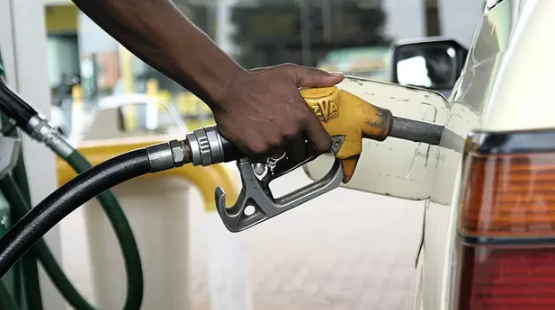
The Africa Sustainable Energy Centre (ASEC) has criticised the government and the Chamber of Oil Marketing Companies (COMAC) for what it calls a "disappointing and tone-deaf" decision to postpone, rather than scrap, the controversial GH₵1 per litre fuel levy.
In a statement, ASEC described the deferral as a betrayal of public trust and an affront to struggling consumers who had demanded full withdrawal of the tax.
According to the Centre, the levy, which was originally scheduled for implementation this month, risks undoing recent gains in economic stability and inflicting greater hardship on Ghanaians already burdened by rising fuel costs.
“Postponing a flawed policy does not make it right. The levy is not reformed, simply delayed. That’s not progress,” said Dr. Elvis Twumasi, ASEC’s Director of Research and Innovation.
ASEC's reaction follows weeks of public backlash, stakeholder consultations, and protests against the fuel surcharge. The temporary hold, the Centre stated, fails to address the deeper structural problems in the energy sector.
They further accused the Chamber of Oil Marketing Companies of failing to advocate for consumers and instead welcoming the delay as a win.
ASEC warned that this lack of urgency only prolongs public frustration and delays the painful consequences rather than averting them.
“The reality is, fuel prices impact every sector of the Ghanaian economy — from transport and food to manufacturing and small business operations,” the statement read.
“At a time when more than 40% of the pump price already consists of taxes, an additional levy risks driving inflation, increasing hardship, and reversing recent macroeconomic gains, particularly the stabilisation of the cedi.”
Beyond the levy, ASEC argued that Ghana’s persistent energy sector woes stem from inefficiencies and mismanagement, particularly within the Electricity Company of Ghana (ECG).
It called on government to focus on fixing existing leakages, implementing smart metering systems, improving revenue collection, and ensuring transparent use of current levies like the Energy Sector Levies Act (ESLA).
“Taxation must never be a substitute for reform,” Dr. Twumasi stressed, urging government actors to adopt meaningful structural changes instead of relying on short-term revenue fixes.
ASEC demanded the permanent cancellation of the GH₵1 levy and renewed calls for broad-based energy sector reform that puts consumers first.
Latest Stories
-
Power restoration fault suspected in Kumasi Central Market fire
3 hours -
The 7-foot giant of Ngleshie Amanfro: Seven-foot Ghanaian Ephraim Saawa dreams of joining the national basketball team
4 hours -
Government promises support for Kumasi Central Market fire victims
4 hours -
Vibes The Movie: Big Ghun’s Ghanaian film earns five nominations at 2026 REFFA
4 hours -
MamaCare CEO warns unresolved conflicts among health workers could undermine maternal and neonatal care
5 hours -
Health professionals urged to translate medical knowledge into practice to save mothers
5 hours -
Conflicts among care providers linked to maternal, neonatal deaths – Expert
6 hours -
GIS marks 10th TIME conference, champions improved teaching practices
6 hours -
BRICS Or Balance? What Ghana’s bid really means
7 hours -
GPRTU wants full TRAFFITECH-GH implementation to start in 2027
7 hours -
Mahama announces plans to import electric wheelchairs for PWDs
7 hours -
KGL U17 Colts 2026: Western beat Prempeh Elite Academy to set up final final with Greater Accra Region
8 hours -
Late Solanke strike salvages 10-man Spurs draw at Man United
8 hours -
Gender Ministry to monitor welfare of Nana Akua Addo’s children amid domestic violence case
8 hours -
Benedict Okyere Yeboah: Ghana’s football problem goes beyond sacking a coach
8 hours