

Audio By Carbonatix
Newly appointed Minister for Local Government, Chieftaincy, and Religious Affairs, Mahama Ayariga, has called for a major overhaul of Ghana’s waste management system to make the collection, transportation, treatment, and disposal of waste more efficient.
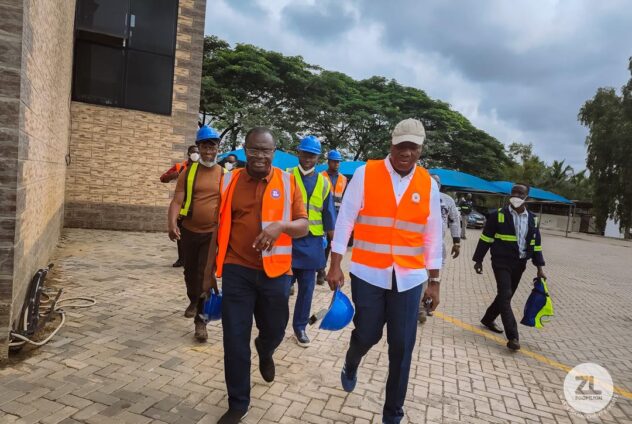
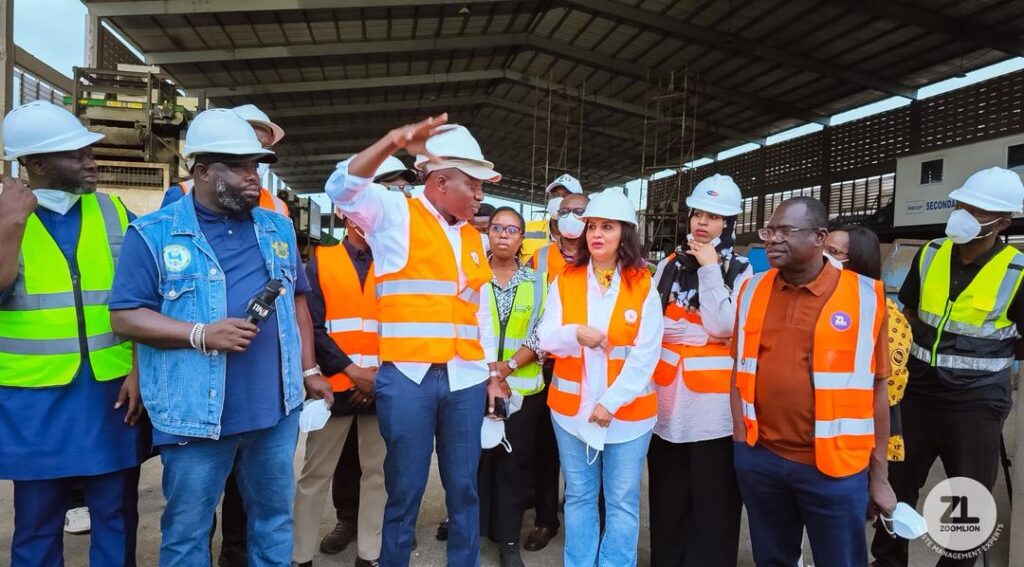
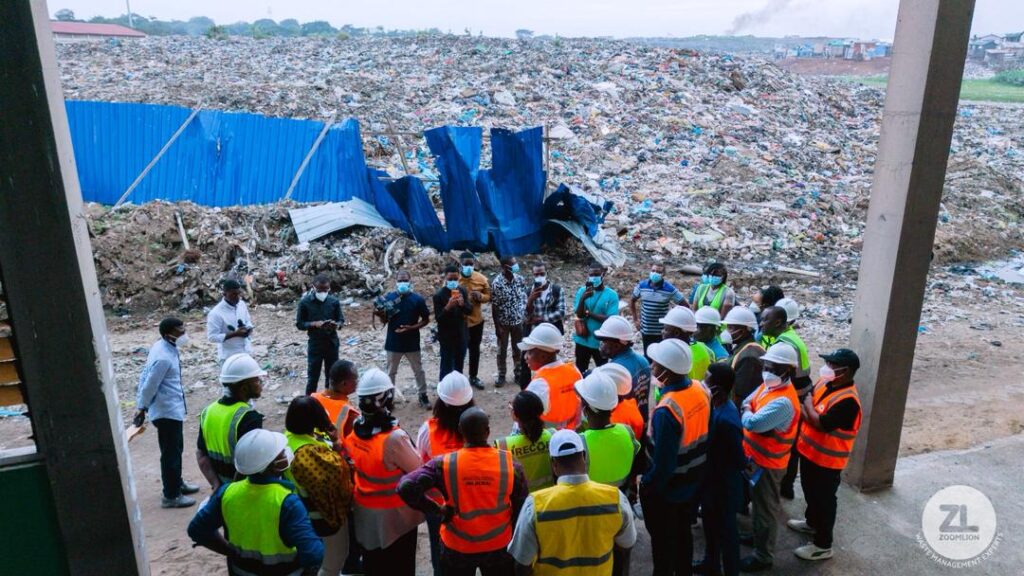
Mr Ayariga made the call on Tuesday, September 1, after touring a number of waste management facilities in the Greater Accra Region, including the Accra Compost and Recycling Plant (ACARP), a subsidiary of the Jospong Group of Companies, the James Town Waste Transfer Station, and the Kpone Landfill site.
The visit formed part of his early engagements with key facilities under the local government sector to assess the state of waste management in the capital and identify areas that require investment and reform.
He was accompanied by the Mayor of Accra, Michael Allotey; officials of the Ministry of Local Government, Chieftaincy and Religious Affairs; representatives of the Accra Metropolitan Assembly (AMA); and other dignitaries.
Mr Ayariga said what he had seen during the tour showed the need for a comprehensive review of the entire waste management chain.
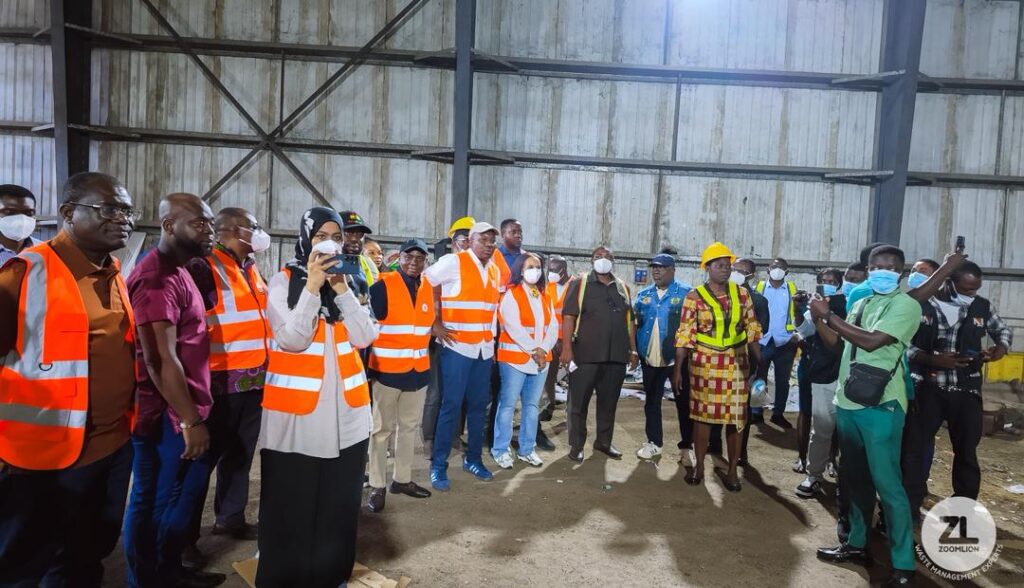
“I decided to wake up early this morning with some of our prospective partners and my team from the Ministry of Local Government, Chieftaincy, and Religious Affairs to go around the city and see how our waste is being managed,” he said.
“There are clearly a lot of gaps in terms of the systems that we have for collecting and managing waste.”
Waste separation
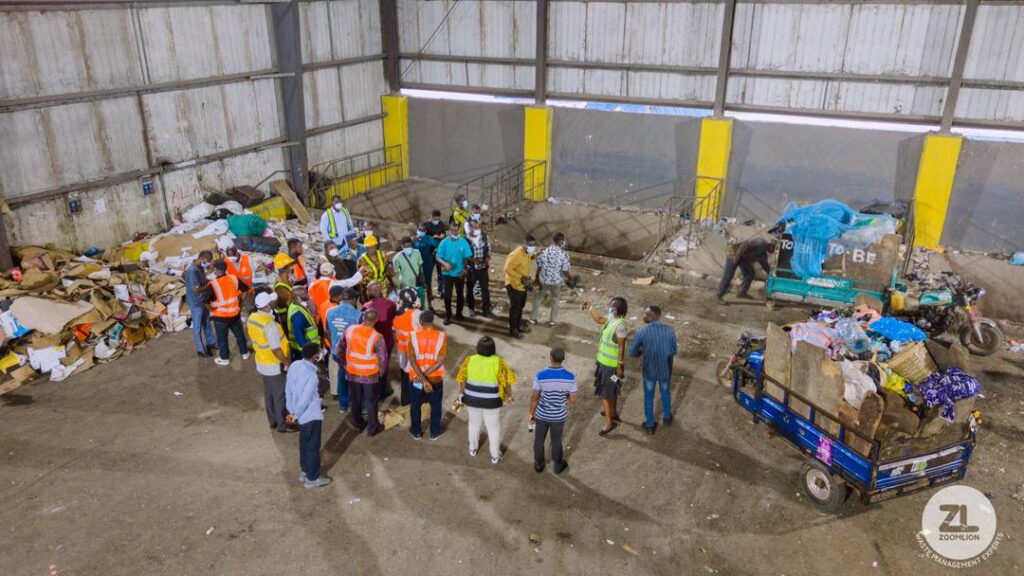
According to the minister, the problems begin from households, where waste is often mixed instead of being segregated at the source.
He said the government would have to work towards introducing systems that would encourage households to separate waste and provide appropriate bins and receptacles.
“From the homes where the waste is generated, we don't separate it. We must put in place a system for separating it right from the homes,” Mr Ayariga said.
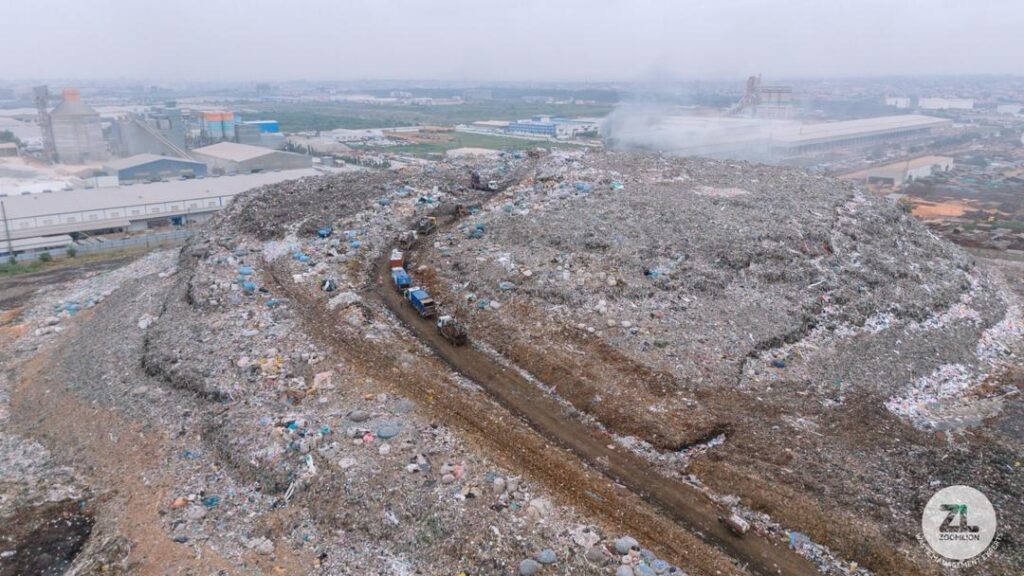
“We must have receptacles and waste bins so that it is easier to convey the waste from there.”
He also called for improvements in the transportation of waste, saying transfer stations should be located closer to communities to reduce the distance trucks have to travel.
“We must overhaul the system of transporting the waste to the transfer stations. We must bring the transfer stations closer to our communities. And then we must bring the treatment centres and the composting centres also closer to our cities,” he said.
Mr Ayariga said the technology and infrastructure needed to improve waste management were already available, adding that the major challenge was organising the system properly.
“The infrastructure, the technology to do all this, is available. A lot of it is organisational,” he said.
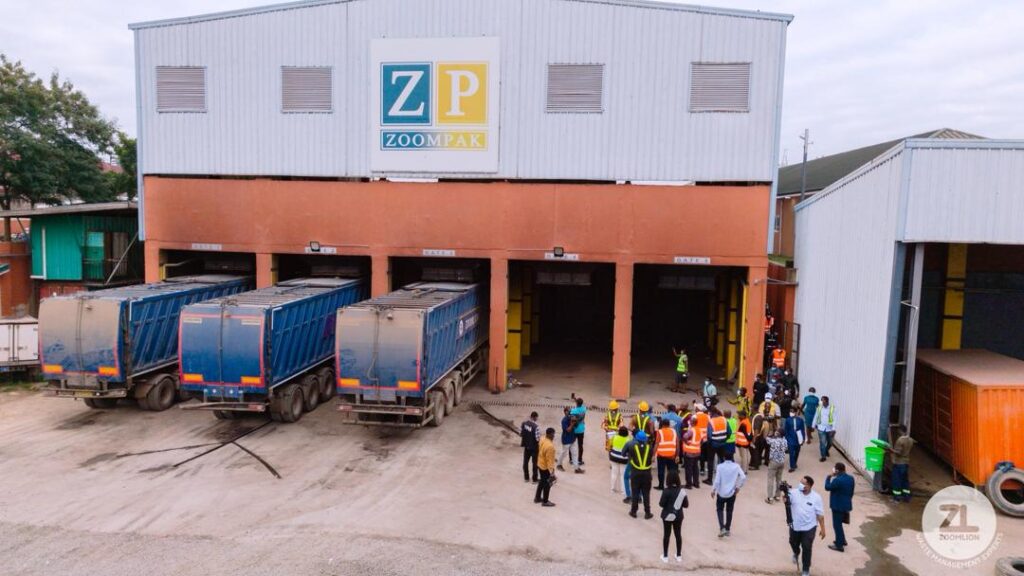
Seeking investment
The minister said the tour would provide important information for the government as it plans to mobilise investment for the waste management sector.
He disclosed that he was touring the facilities with Dr Fatima Elsheikh, Vice President for Operations and Secretary General of the Arab Bank for Economic Development in Africa (BADEA), as part of efforts to explore possible financing for waste management infrastructure.
“This will serve as the basis for planning and seeking investment,” Mr Ayariga said.
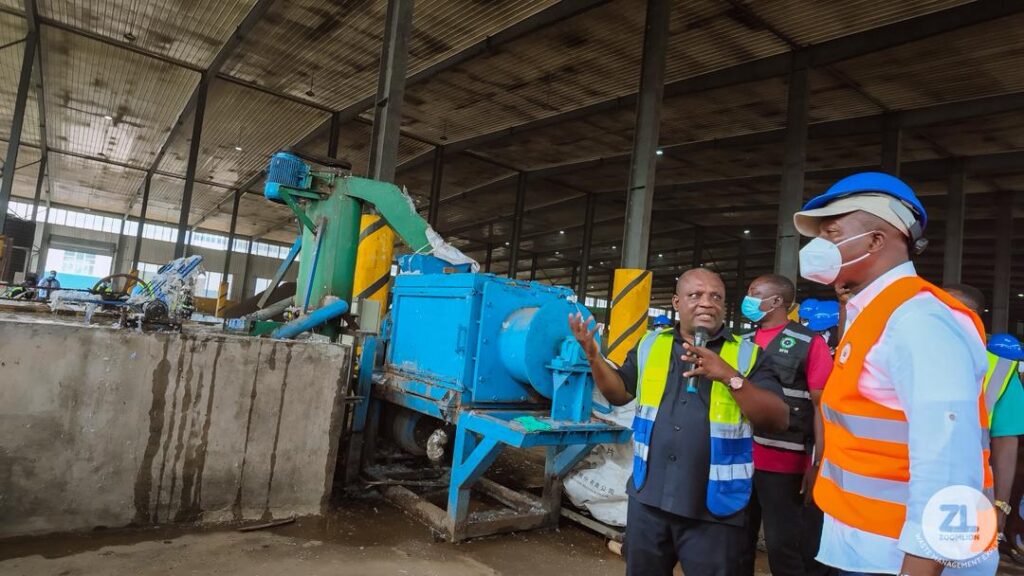
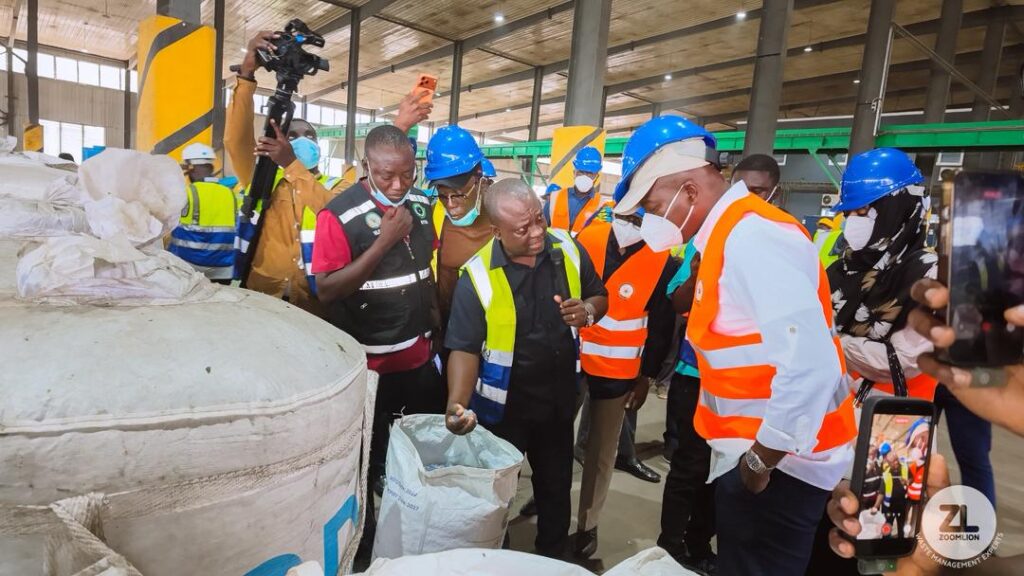
He said the government was interested in mobilising resources to invest in the entire waste management chain, from collection and transportation to treatment and recycling.
Mr Ayariga also said the problems observed in Accra were likely to exist in other major cities across the country.
“What we've seen here, I believe, is just a microcosm of the infrastructure across the country. It's not any different if you go to Kumasi or you go to Takoradi or any other major city. It's the same thing that you will see,” he said.
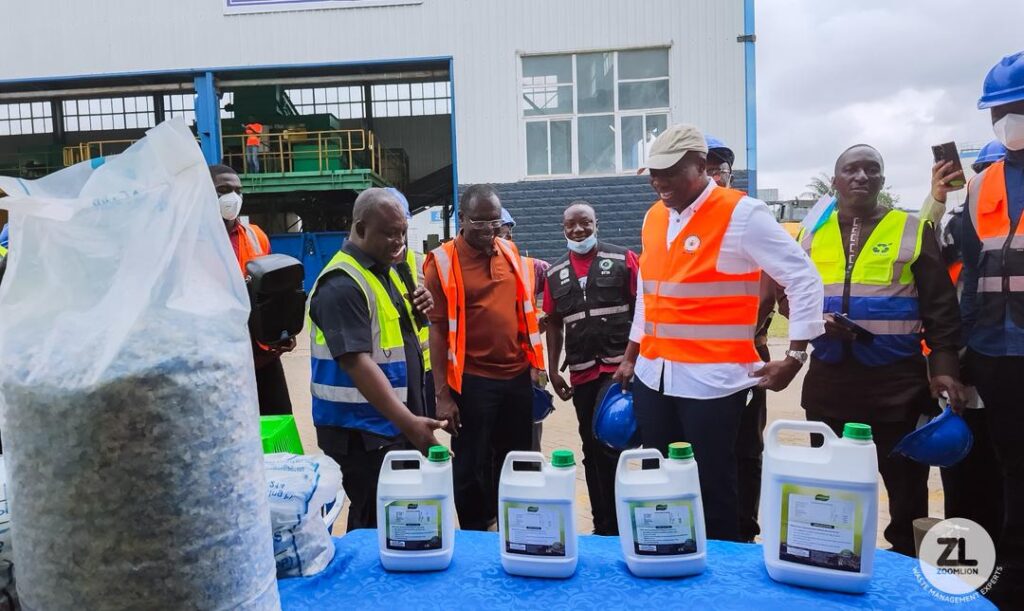
Polluter-pays principle
The minister also appealed to residents to take responsibility for the cost of managing the waste they generate.
He said the government would apply the polluter-pays principle, under which individuals and properties that generate waste should contribute fairly towards its management.
“I believe in the principle of the polluter pays. If you pollute, you pay for the management of the pollution,” he said.
“Every property must pay its fair share of the cost of managing the waste.”
Mr Ayariga, however, assured residents that the government would work to make the system more efficient and reduce the cost of waste collection for households.
He said inefficiencies in the current system, including the long distances waste trucks travel and the high operating costs faced by private waste collectors, contribute to the high fees paid by households.
“If we organise it well, we could reduce the cost per household of waste management by even 50 per cent,” he said.
“The reason why it is so high… is that the system is not being efficiently managed.” He added that the government would ensure accountability and transparency in the use of funds mobilised for waste management.
“We promise to be accountable. We promise to be efficient. We promise to be transparent so that you see exactly how your resources are being used,” he said.
BADEA support
Dr Fatima Elsheikh, Vice President for Operations and Secretary General of BADEA, said she was impressed by the government's determination to improve waste management in Ghana.
She said waste management should not be viewed only as an environmental challenge but also as an opportunity to create jobs, improve livelihoods, and support economic development.
“I think what I saw today is inspiring. Waste is not about actual waste. It's actually about employment opportunities that it gives to people, a livelihood," she said.
Dr Elsheikh said a cleaner Accra would also improve the city's attractiveness as an important African business and economic hub.
“Accra is not the capital of Ghana only. It's one of the hubs of Africa,” she said. She pledged the bank's willingness to support Ghana's efforts to improve the waste management sector.
“We'll be happy to contribute as a development bank,” she said, adding that BADEA would be ready to work with the government on the journey towards a more sustainable waste management system.
New minister takes charge
Mr Ayariga's tour comes shortly after his appointment to head the Ministry of Local Government, Chieftaincy, and Religious Affairs as part of President John Dramani Mahama's recent ministerial reshuffle.
President Mahama nominated Mr Ayariga on August 7 to replace Ahmed Ibrahim, who was reassigned to the Ministry of Works, Housing and Water Resources. The reshuffle also saw James Agalga take over from Mr Ayariga as Majority Leader in Parliament.
Parliament subsequently approved Mr Ayariga's nomination on August 27 after he appeared before the Appointments Committee for vetting. He was approved alongside Dr Zanetor Agyeman-Rawlings, who was nominated as Minister for Environment, Science and Technology.
President Mahama formally swore Mr Ayariga into office on August 29, 2026, clearing the way for him to officially assume his ministerial responsibilities.
His first engagements are therefore expected to focus on understanding the challenges facing the local government sector and identifying practical measures to improve service delivery, including sanitation and waste management.
Latest Stories
-
Labour Minister wants SOEs to help shape new public pay system
4 hours -
IPEC will ensure Equity and Sustainability in SOEs Compensation
5 hours -
White House bars CNN from travelling with Trump on Air Force One
6 hours -
Fennis wins second consecutive ITF J60 title in Accra
6 hours -
Spain beat England in thriller after Kane penalty miss
6 hours -
GPL 2026/27: Zaidan’s late goal ends Hearts of Oak unbeaten start
6 hours -
CEOs demand clarity on pay harmonisation, board autonomy as FWSC engages SOEs bosses over IPEC transition
6 hours -
2026 Women’s Super Cup: FC Savannah, Epiphany Warriors maintain top spots ahead of final group games
6 hours -
‘Is EOCO responsible for determining lawyers’ fees?’ – Baffour Awuah
6 hours -
David Beckles claims second J60 Accra title
6 hours -
No France cocaine suspect linked to Mahama, Vice President’s security details – NACOC
7 hours -
Anwelle Foundation launched in Jirapa to tackle poverty, youth unemployment
7 hours -
Joy Sports Editor Fentuo Tahiru Fentuo to moderate inaugural Music Meets Football Summit in Zambia
7 hours -
Court premises too volatile for Baffour Awuah’s attempted arrest by EOCO – Inusah Fuseini
7 hours -
Drug bust: Under no circumstances will NACOC leadership be compromised – Twum-Barimah
7 hours