

Audio By Carbonatix
The story of Kporvi village, nestled between the Tsito and Peki communities in the Volta Region, is a poignant one. Once a thriving farming and trading hub, it was emptied by fear and violence following a long-standing land conflict. But out of that painful desolation came an unexpected opportunity: peace. With time, quiet diplomacy, and deliberate disengagement from contested lands, the area has seen relative calm return.
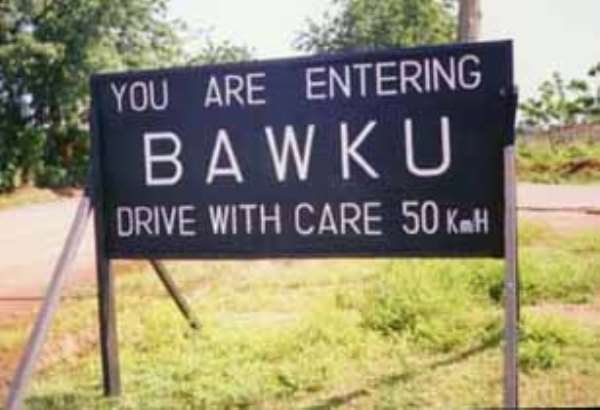
The situation in Bawku, a town in Ghana’s Upper East Region, is strikingly similar, albeit more deeply entrenched and deadlier. The Bawku conflict, primarily between the Mamprusi and Kusasi ethnic groups, has simmered for decades. At its core is a chieftaincy dispute, overlaid with complex layers of ethnic identity, political affiliation, and competition for state recognition and resource control. Successive governments have tried various interventions, including military deployments, mediation committees, curfews, and peace talks, yet the violence persists.
It is time to think differently. Boldly. What if, like in Kporvi’s case, the key to peace lies not in continued attempts at forced coexistence but in strategic disengagement?
A Drastic but Thoughtful Proposal
Bawku’s population stands at around 120,000, a manageable number in the context of Ghana’s national planning capabilities. What if the government intentionally depopulated Bawku, declared it a non-residential security zone, and resettled the entire population across four newly developed areas in the northern savannah, far from one another and fully supported by infrastructure and livelihoods?
This would not be a forced eviction but a national peace project, built on incentives, careful planning, and constitutional backing. The idea would be to:
- Prevent proximity-triggered conflict by spatially separating combatants
- Provide fresh starts for youth and families in peaceful, economically viable areas
- Use the vacated Bawku land as a military buffer zone ensuring no return to contested settlement
- Develop new municipalities with proper schools, clinics, housing, markets, and farming support to stimulate economic activity in other parts of the North
Incentives such as housing grants, farm equipment, cash stipends, education support, and free access to municipal services can make resettlement attractive. Bawku’s land, once emptied and secured, could later be repurposed for national projects like a military academy, research centre, or even preserved as a historical cautionary site.
Crucially, this bold initiative would likely cost far less than the cumulative toll of decades of military deployments, peacekeeping logistics, political interventions, destruction of property, loss of livelihoods, and countless lives lost. The economic activities frozen by conflict and the psychological trauma inflicted on generations come with a long-term national cost — one that strategic resettlement could decisively end.
Learning from the Volta Experience
What happened in Tsito Peki was unplanned and painful. But the peace that followed teaches us that sometimes, separation is a prerequisite for reconciliation. When hotheads no longer have daily access to contested lands or proximity to rivals, tempers cool, and the next generation can grow up free from inherited hatred.
By contrast, the current cycle in Bawku is predictable: a shooting triggers a reprisal, which leads to military retaliation, public outcry, and then uneasy calm until the next round. This is not sustainable. It is only postponing the inevitable explosion. A bold, disruptive reset is needed.
Addressing the Concerns
Of course, such a proposal will spark resistance. There will be cultural, emotional, and political objections, and rightfully so. But Ghana must decide whether it wants to continue managing conflict indefinitely or solve it permanently. If Rwanda could reimagine its entire national reconciliation framework after genocide, if South Sudan can plan mass repatriations, then surely Ghana can relocate 120,000 people to secure peace.
There are precedents even closer home. The resettlement during the Akosombo Dam construction was far larger in scale. What is needed is political courage, broad consultation, transparency, and a shared belief that no piece of land is worth endless bloodshed.
Conclusion
Bawku has become a national wound, one that refuses to heal despite repeated dressing. It’s time to stop applying ointment and consider surgery. A peaceful, purposeful depopulation plan inspired by the post-Tsito Peki calm might be radical, but it is no more extreme than the pain and lives lost year after year.
Sometimes peace requires not just negotiation but redesign. Bawku’s tragedy could become a template for bold peacebuilding if we dare to act beyond convention. Ghana owes it to its future.
Latest Stories
-
‘Our members are frustrated’ – GAUA on stalled talks with government
7 minutes -
Five African countries unite to tackle zero-dose children through stronger immunisation systems
14 minutes -
Siidi Abubakar campaign rejects Madina NDC poll, questions Mussah Dankwah’s neutrality
26 minutes -
Ghana’s clean cooking drive gets boost with Asharami’s new LPG terminal in Tema
26 minutes -
National Housing Fund cuts mortgage rate to 8.4% to expand access to homeownership
36 minutes -
Youth and Sports Committee engages NYA on youth development programmes
36 minutes -
Teachers have lost confidence in government over delayed demands – Abuakwa South MP
41 minutes -
Two months of talks with the government have yielded no progress – GAUA
50 minutes -
COP31 must deliver action, not more promises – African climate negotiators
1 hour -
What happens when you have too little body fat
1 hour -
Peki SHS old students to break ground for new entrance gate
1 hour -
This is an Organised Crime – PAC Ranking Member on 10 million MoH car loan debt
2 hours -
GAUA strike disrupts student registration at University of Ghana
2 hours -
Tema is regaining its industrial glory days as Ghana’s industrial city – Mahama
2 hours -
FBI says more than 130 detained in Ghana over scam operation targeting US victims
2 hours