

Audio By Carbonatix
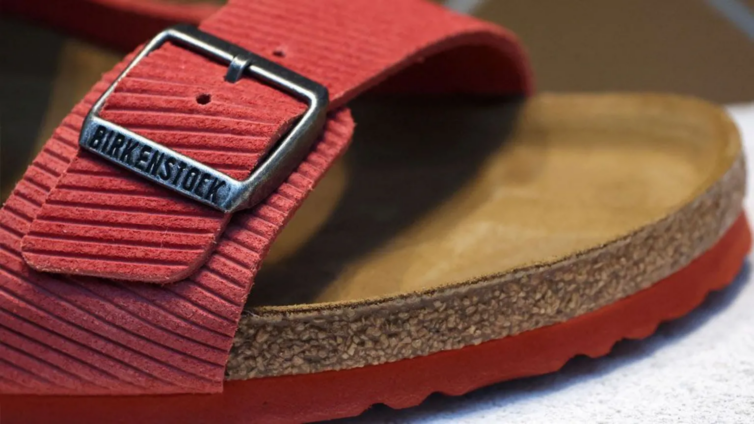
Birkenstocks may be cool enough for Barbie but the sandals do not qualify as works of art, a German court has ruled.
The company had claimed its footwear could be classified as art and so was protected by copyright laws in a case it put forward to stop rivals selling copycat versions of the cork-soled sandals.
But a judge dismissed the claim, saying the shoes were practical design items - a decision Birkenstock called a "missed opportunity for the protection of intellectual property".
The firm's shoes were once deemed uncool but in recent years have become hugely popular, and gained more attention after actress Margot Robbie wore a pink pair in the final scene of the 2023 hit Barbie movie.
The sandals, which feature a moulded footbed, have been praised for being comfortable and sturdy, and many colour options and strap styles have evolved since the original leather-strapped version in the 1960s.
Even though it was initially rejected from the catwalks, it soon became a fashionable item, scoring a seal of approval from supermodel Kate Moss in the 1990s, and even appeared on celebrity feet at the Academy Awards.
The company eventually listed on the New York Stock Exchange in 2023 and was valued at about $8.6bn (£7.08bn) - double its worth in 2021.
Birkenstocks' popularity means rivals often sell knock-off versions, prompting the firm to make the claim to protect what it called its "iconic design".
In this case, Birkenstock took three manufacturers and retailers to court, seeking to protect four of its sandal designs.
German law distinguishes between design and art when it comes to a product. Design serves a practical purpose, whereas works of art need to show a certain amount of individual creativity.
Art is covered by copyright protection, which lasts for 70 years after the creator's death, whereas design protection lasts for 25 years from when the filing was made.
Shoemaker Karl Birkenstock, born in the 1930s, is still alive. Since some of his sandals no longer enjoy design protection, the firm attempted to gain copyright protection by seeking to classify its footwear as art.
But the claim was "unfounded", presiding judge Thomas Koch said.
His ruling added that for copyright protection, "a degree of design must be achieved that shows individuality".
Birkenstock said in a statement that it "continues its fight against copycats with undiminished vigour" by exhausting "all legal means to defend itself against imitations".
This ruling by the Federal Court of Justice, Germany's top civil court, is the final judgement which comes after two lower courts had heard the case and disagreed on the issue.
The first ruled in favour of Birkenstock, while the second overturned that decision.
Latest Stories
-
Chef Abbys: Feeding 50,000 people, putting food security on Ghana’s agenda
3 minutes -
Ho set to host Republic Bank–JoyNews Habitat Fair as multiple firms prepare to showcase housing solutions
11 minutes -
NPP demands public inquiry into alleged $600,000 World Cup visa fraud, wants Sports Minister, GTA CEO summoned
18 minutes -
I want my brand to be bigger than just music – Yaw Wazinga
21 minutes -
Houthi missile attack on Yemeni presidential palace kills two, minister says
22 minutes -
I hoped to win an award; I worked hard – 2026 Best Graduating Law Student
32 minutes -
Fraudsters increasingly target bank customers instead of banking systems – Fraud detection expert
32 minutes -
44 teacher sexual abuse cases tracked since 2015; school heads feature in 40% of recent cases — JoyNews Research
35 minutes -
Unchecked imports and the Middle East crisis threaten Ghana’s fragile food inflation anchor
54 minutes -
Ecobank Junior Saver Big Pitch to reward 10 winners with GH¢2,000 each
58 minutes -
AMA demolishes unauthorised pigsty obstructing Agbogbloshie waste evacuation exercise
58 minutes -
I was filled with disbelief – Akosua Achia Sarpong Esq. shares her first reaction
59 minutes -
Snake Village: A look at Volta Region’s hidden snake village and its tourism potential (Video)
1 hour -
Election Watch Ghana calls for constitutional reforms to strengthen Electoral Commission independence
1 hour -
NACOC, Postal and Courier Services Regulatory Commission intensify efforts to curb drug trafficking
1 hour