


Audio By Carbonatix
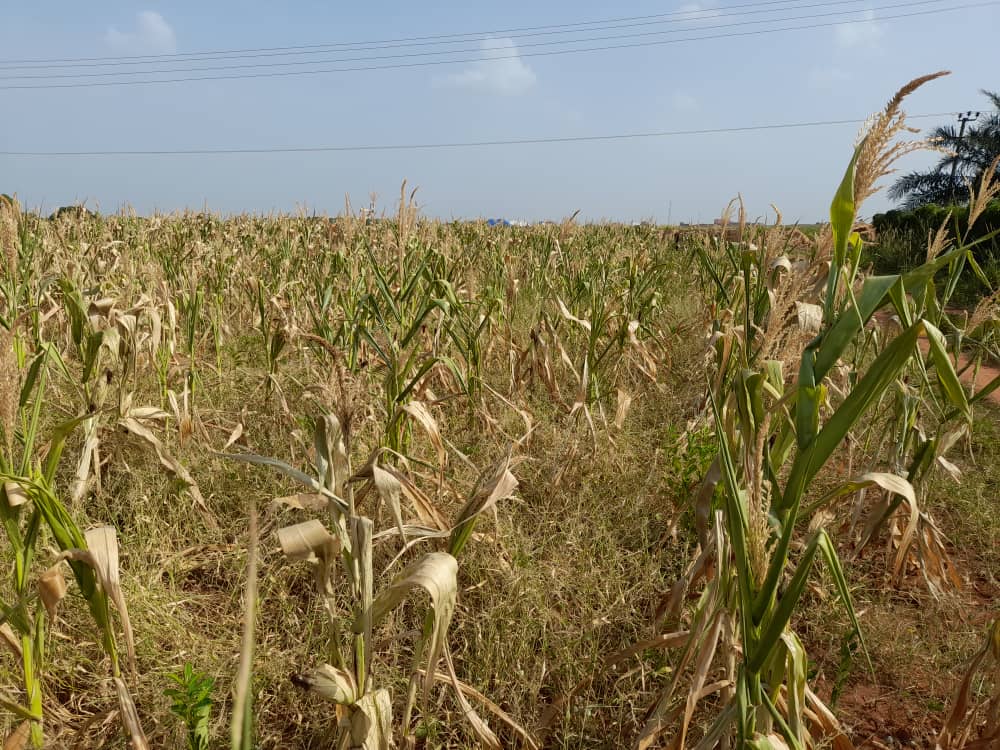
Agriculture Minister Bryan Acheampong has attributed the ongoing drought crisis in the country to climate change, stressing that the core issue is not irrigation but the shifting weather patterns.
Speaking to Joy News’ PM Express Business Edition, he said the Ghana Meteorological Agency had alerted government that the planting season had shifted by an entire month, a critical change that was not effectively communicated to farmers.
“This shift in the planting season, which is a fundamental change caused by climate change, disrupted our agricultural planning,” Acheampong stated.
Read also: Four ideas that can help Ghana preserve food security when next drought hits
“We invested heavily in inputs, training, land development, seeds, and fertilizers, but with this change, all our efforts were compromised.”
The Abetifi MP acknowledged that while climate change itself cannot be prevented, measures must be put in place to protect Ghana’s food systems.
He noted that irrigation is one such measure, allowing for year-round farming independent of rainfall.
However, Mr Acheampong clarified that developing irrigation systems requires significant investment and is vastly different from the small earth dams built under the government’s "One District, One Dam" initiative.
The Minister highlighted government's efforts in expanding irrigation projects across the country, mentioning ongoing projects in areas like the Afram Plains, Tono, and Upper West regions, where 19 small irrigation projects are underway.
Read also: Government rolls out emergency measures to protect farmers and avert food crisis
Bryan Acheampong also noted that there are 15 projects ongoing in the Northern Region, aimed at creating small earth dams or dugouts to capture rainwater for agricultural and livestock use.
He stressed that these dams, designed to hold rainwater during the rainy season, have largely been successful in serving their intended purposes, such as providing water for household use, livestock, and small-scale farming.
"We must always measure an initiative against its intended purpose," Mr Acheampong said, defending the effectiveness of the projects despite criticisms of their scale and scope.
He concluded that while the government is committed to expanding irrigation, addressing the broader impacts of climate change on agriculture remains a pressing challenge that requires comprehensive planning and continuous adaptation.
Emergency measures to protect farmers and avert food crisis
Government has announced a series of interventions aimed at mitigating the impact of the ongoing dry spell on Ghanaian farmers.
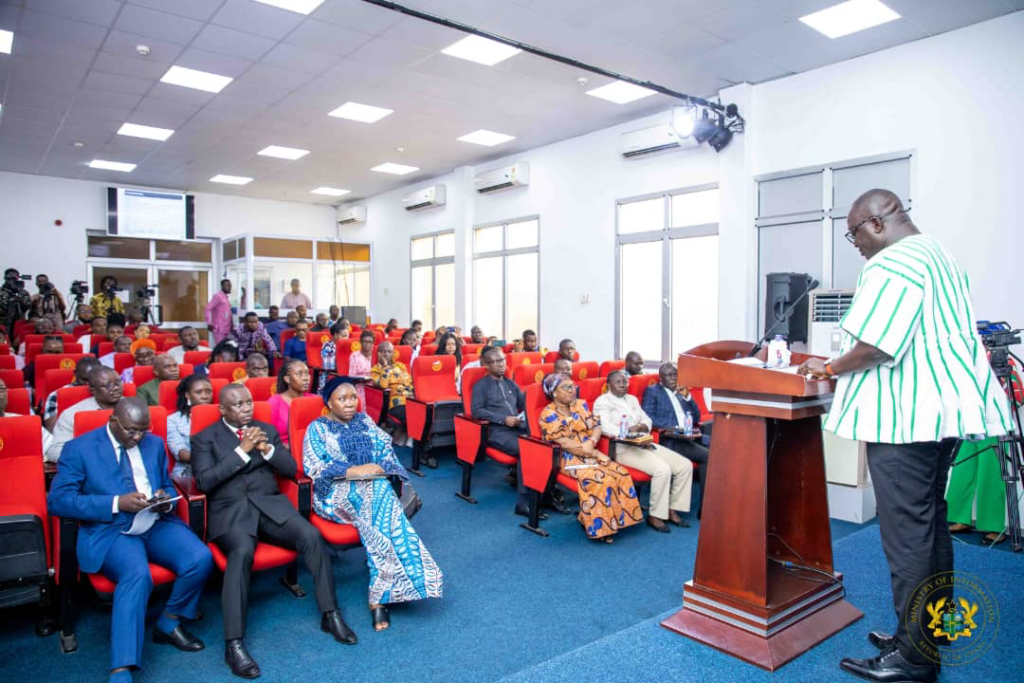
On Monday, the Agric Minister detailed government's plan to provide financial support to the most vulnerable farmers, alongside food grants to ensure they meet their basic nutritional needs.
"Government has decided to provide financial support amounting to GH¢1,000 per hectare to the most vulnerable among these farmers as partial cover for their investment losses," Mr Acheampong stated.
Government's comprehensive response includes a temporary ban on grain exports, purchasing stock directly from farmers, and providing grains and poultry feed, cash transfers, food grants, input support, and technical assistance for soil moisture conservation.
Latest Stories
-
Girls must have equal place in Ghana’s digital future – Vice President
6 minutes -
High Court issues EOCO warrant to arrest Manhyia South MP Baffour Awuah
10 minutes -
Ghana at the heart of global PR excellence
18 minutes -
Ghana Institute of Architects clarifies position on ARC-ASG dispute amid ongoing case
20 minutes -
NDC supporters storm Fomena constituency office over alleged disqualification of chairman aspirant
22 minutes -
NPA CEO assures tanker drivers of action on welfare concerns
23 minutes -
Karpowership seeks contract extension as Ghana’s power demand grows
26 minutes -
Gender Ministry inaugurates committee to drive early childhood development
28 minutes -
Four Schools, One Crown: Prempeh, Corpus Christi, Mfantsipim and St Augustine’s battle for NIQ trophy
29 minutes -
HIV status cannot be used to deny employment under Ghana law – Ghana AIDS Commission
30 minutes -
Buffer Stock calls for expansion of national storage capacity as it falls below 50,000 metric tonnes
30 minutes -
Central Regional Minister urges use of religious platforms to change environmental, sanitation practices
53 minutes -
Henry Kweku Banning
54 minutes -
Execution of US murderer Christa Pike halted an hour before it was due to happen
56 minutes -
GoldBod generates US$1.87bn in FX in September, exceeds monthly target
59 minutes