

Audio By Carbonatix
The Bank of Ghana (BoG) has introduced a new educational observership programme to give university students direct exposure to the work of the Monetary Policy Committee (MPC) as part of efforts to make its policy rate setting more transparent and easily understandable to the public.
The programme, to be extended to other tertiary institutions in future MPC meetings, will also help to strengthen policy credibility and linkages between academia and policy institutions.
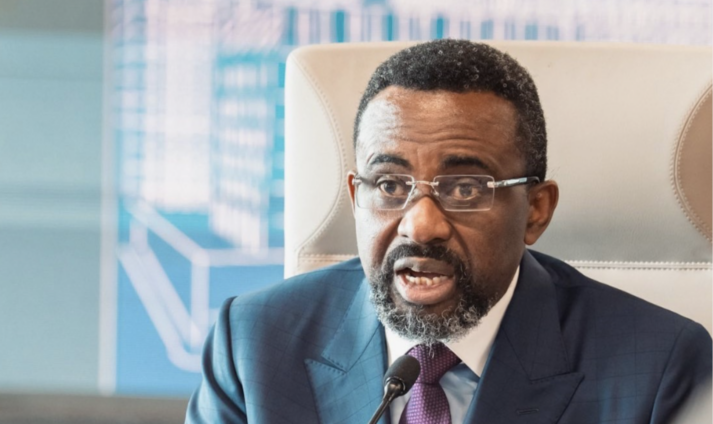
Dr Johnson Asiama, Governor of the Central Bank, announced the initiative at the opening of the 131st MPC meeting on Monday, explaining that the first cohort of students from the University of Ghana would sit in on aspects of the Committee’s proceedings this week.
Dubbed the “MPC Educational Observership Programme (MPC EOP),” the initiative would target students of economics and related fields, exposing them to how decisions that affect interest rates, inflation and the exchange rate were reached.
The educational programme also adds a direct and experiential layer to the communication strategy of the Central Bank, who for many years used communiqués and media announcements as the main public window into the Committee’s deliberations.
Dr Asiama explained that by participating in process, the Central Bank aimed to help cultivate a new generation of economists and policymakers who understood not just what the MPC decided, but why and how those decisions were made.
“Monetary policy is most effective when it is understood when it is translated and when it is supported by the public, this initiative we seek to demystify the management policy process providing students,” he stated.
Dr Asiama explained that building public understanding of monetary policy was even critical at a time when the economy faced both domestic and external pressures, including rising inflation and global oil market volatility.
The first cohort comes as the MPC assesses four major issues: inflation outlook, effectiveness of recent cash reserve reforms, changes in domestic liquidity following the end of the Ghana Gold Board (GoldBoard) financing, and external risks.
Dr Asiama noted that despite Ghana’s continued macroeconomic resilience, the four issues had posed risks to the local economy, citing domestic liquidity conditions and recent inflation uptick for the past three months and externalities as key concerns.
“Our task this week is not simply to assess the latest data. It is to determine whether the framework we strengthened in May remains fit for the conditions now before us, and whether the choices we made then continue to serve the medium-term objectives on which our credibility depends,” the Governor said.
Latest Stories
-
Let The Constitution direct Chieftaincy to deliver “All Development Is Local”
1 hour -
John Jinapor outlines renewable energy, nuclear power priorities for 2027
2 hours -
Ghana explores centre of excellence for hearing, communication and cochlear implant care
3 hours -
Schizophrenia-related disorders lead mental health cases recorded in Ghana
3 hours -
Dutch authorities enlist Ghana in hunt for fugitive drug lord Bolle Jos
3 hours -
Ghana housing finance conference adopts communiqué to improve affordable housing access
8 hours -
Special Initiatives Minister urges Wa Technical Institute to enrol more girls as EU-backed solar training lab opens
8 hours -
In the matter of my first year at the Bar
8 hours -
ActionAid Ghana calls for an end to child marriage, greater investment in girls’ rights
8 hours -
Newsfile to tackle World Cup visa scandal, beach demolitions, education strikes, BRICS bid
9 hours -
UK-Ghana Trade & Investment Summit: Trade Resource Centre to help businesses maximise UK-Ghana trade opportunities
9 hours -
Embassy of Denmark celebrates World Maritime Day
9 hours -
Linking LEAP to productive inclusion could cut extreme poverty by 2030 – UNICEF
10 hours -
Trade Ministry backs use of creative arts to rehabilitate prison inmates
10 hours -
Negotiations with government to continue despite strike suspension – GNAT
10 hours