

Audio By Carbonatix
The Kenyan Court of Appeal has given the go-ahead for a controversial healthcare insurance levy, overturning a previous ban.
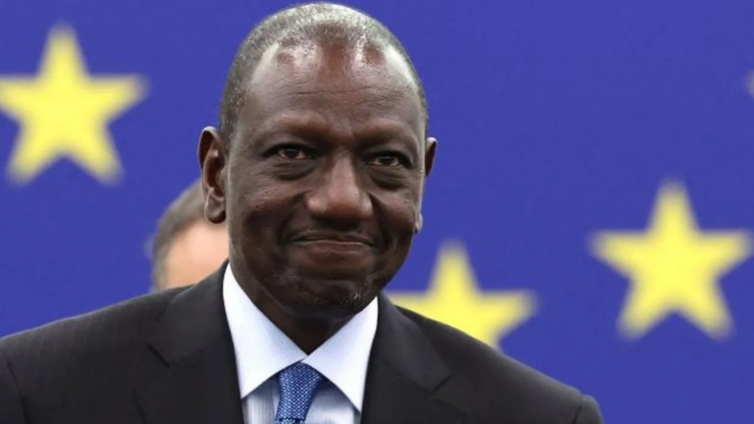
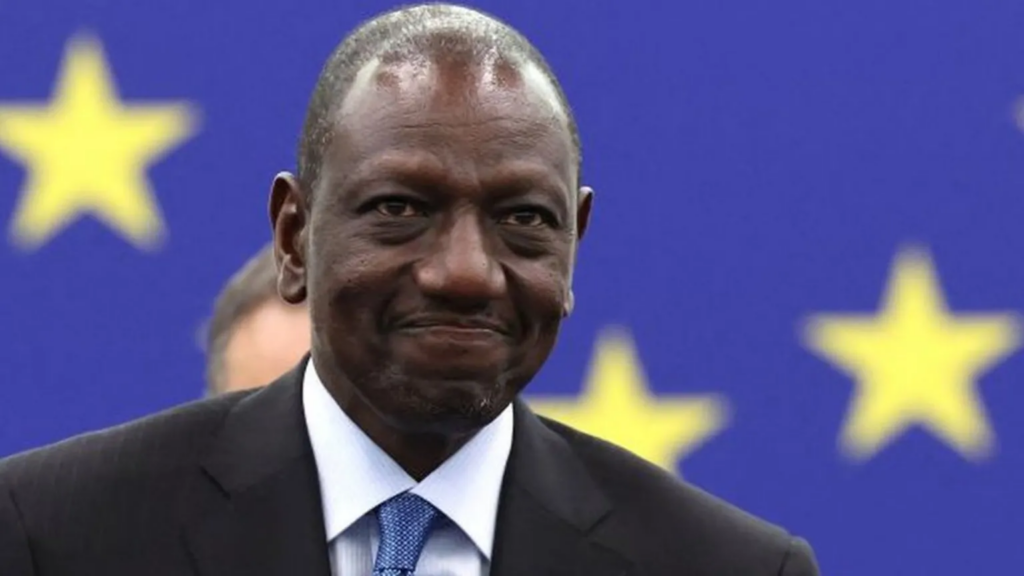
The Social Health Insurance Fund (SHIF), one of President William Ruto's key policies, seeks to provide affordable healthcare to all Kenyans.
But it has proved unpopular with many, who see it as a new tax.
Critics say the levy will aggravate the cost-of-living crisis, which fuelled a wave of protests last year.
The rollout of the SHIF was stopped by the High Court last November following a petition by businessman Joseph Enock Aura, challenging sections of the scheme.
This, alongside the suspension of a controversial housing levy, rattled President Ruto, who has recently publicly accused some unnamed judges of corruption. He said the judiciary was working with the opposition to block his government's projects, sparking protests from lawyers.
The SHIF replaces the decades-old National Health Insurance Fund (NHIF), which has lost billions of taxpayer-contributed funds to corruption.
On Friday, a three-judge bench lifted the ban, saying the suspension posed a "real and present danger to the health rights of countless citizens who are not parties to the litigation".
However, the court suspended sections requiring mandatory registration to the scheme.
All workers are expected to contribute 2.75% of their salaries towards the new health fund.
The new law does not address what happens when individuals cannot afford contributions but President Ruto said his government would pay for those unable.
Critics of the new health plan say the 2.75% deduction is a huge increase on what they paid to the NHIF, coming on top of the recent rise in fuel prices and living costs.
Some also fear that the new social healthcare body will spend most of the collected funds on administrative expenses like the current NHIF, leaving few resources for direct healthcare costs.
In June last year, Mr Ruto signed the Finance Act, another unpopular piece of legislation that introduced a 1.5% housing levy payable by both employers and employees.
The government says it seeks to provide affordable housing to low income earners. The levy has also been challenged in court.
Latest Stories
-
Five-member committee to search for new Black Stars coach after Sports Ministry-GFA meeting
24 minutes -
Pinktober: Breast cancer survival exceeds 90% when detected early – Breast Society of Ghana
30 minutes -
TCDA to adopt Upper West’s MATCO mango farm as northern prototype, issues warning against felling shea trees
41 minutes -
Fear delegates tag: Afoko touts genuineness among delegates ahead of NPP delegates conference
43 minutes -
John Boadu: The leader our party needs at this time – Amb. Edward Akwasi Boateng
49 minutes -
Baffour Awuah: EOCO effected an arrest, detained MP after hours of waiting, questioning – Afenyo-Markin
1 hour -
EOCO court warrant authorised search of Baffour Awuah’s law firm, not residence – Afenyo-Markin
1 hour -
NPP delegates conference: 3,000 to 4,000 police personnel deployed for security in Kumasi – Anthony Karbo
1 hour -
KGL Foundation commits $200,000 to support juvenile football for the next two years
2 hours -
UNDP invites Mahama Ayariga to Northern Peace Conference in Tamale
2 hours -
Afoko can give NPP ‘new identity’ ahead of 2028 to overcome NDC – Political scientist, Dr Amakye-Boateng
2 hours -
2 injured amid gunshots during raid at Nawara Mining office at Nsuapemso
2 hours -
St Augustine’s College retains 2026 National Investment Quiz title
2 hours -
KNUST Nursing and Midwifery School staff recognised at 2026 Health Ministry Excellence Awards
2 hours -
JoyNews’ Esther Esi Nkrumah selected for UK Media Excellence for Emerging Technology Fellowship
2 hours