

Audio By Carbonatix
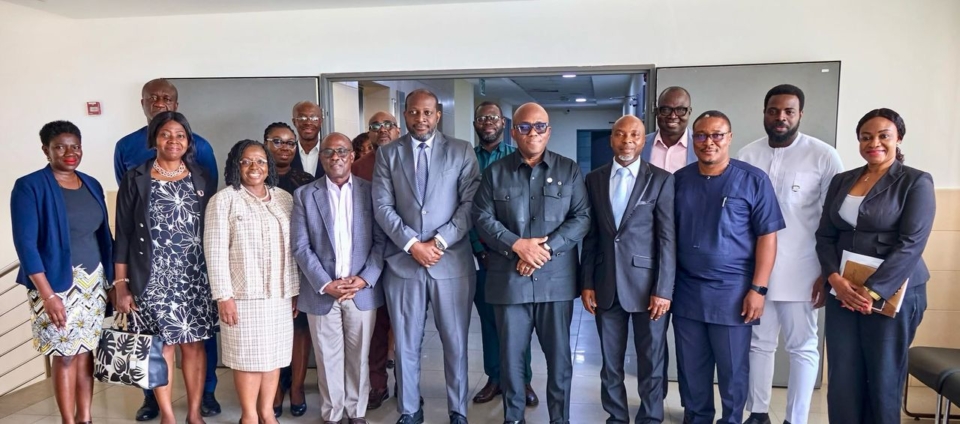
The Ghana Chamber of Private Medical Groups (Chamber of Health) has expressed its readiness to work with the National Health Insurance Authority (NHIA) to improve private healthcare delivery and strengthen Ghana’s health insurance system. The Chamber, led by its president, Dr Andre Kwasi Kumah, On Thursday paid a courtesy call on NHIA Chief Executive Officer, Mr Victor Asare Bampoe at the head office of the Authority in Accra.
The meeting introduced the newly formed Chamber and provided an opportunity to discuss concerns affecting private healthcare providers. It also explored ways for the private sector to work more effectively with the NHIA.
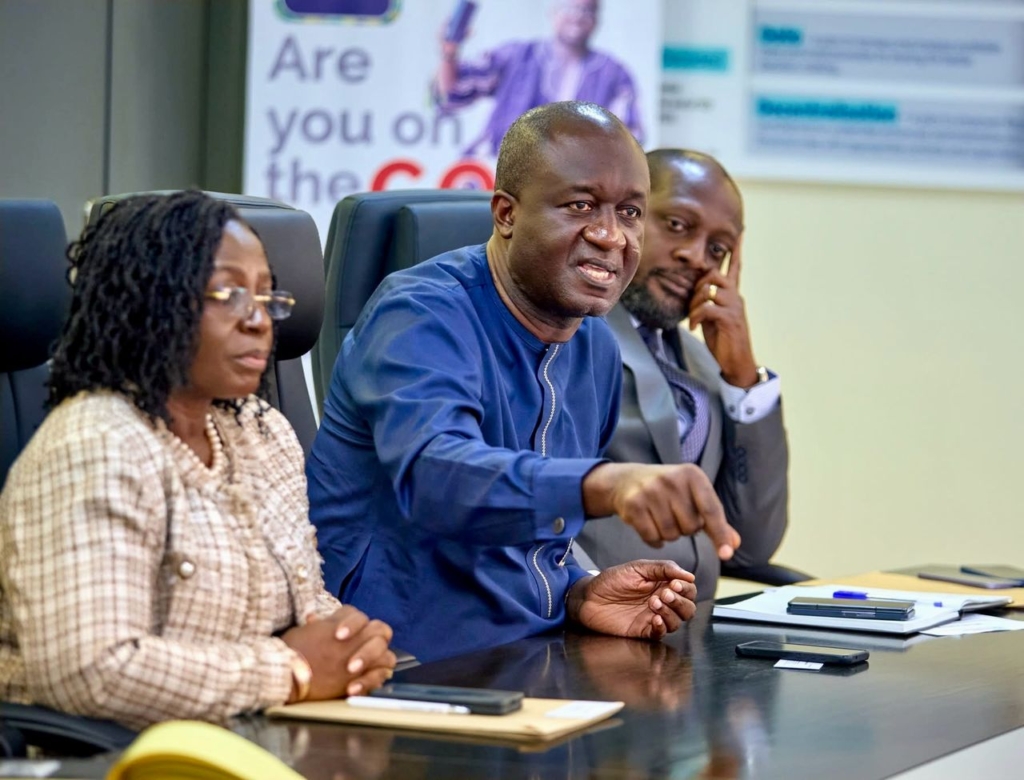
Dr Kumah explained that the organisation was created to unite private healthcare service providers and give them a stronger voice in engaging policymakers.
“When we assumed office two years ago, we realised the private health sector was fragmented, making it difficult to engage effectively with policymakers,” he said.
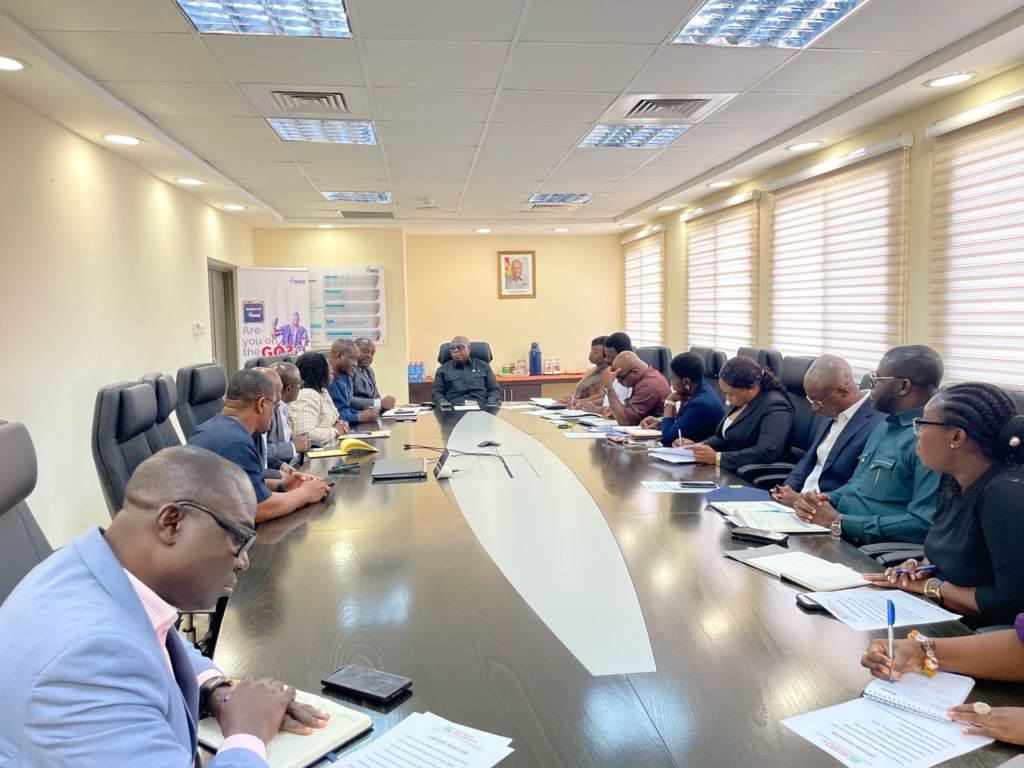
“At our AGM, we decided to bring all players in the private health sector together under one umbrella to strengthen our discussions with stakeholders.”
He welcomed the NHIA’s recent policy measures, including the uncapping of the National Health Insurance Levy (NHIL) and ongoing tariff reviews, expressing hope that these would lead to timely and adequate reimbursements for healthcare providers.
Private sector concerns The delegation raised several issues affecting private healthcare providers, including tariff reviews, payment delays, and the role of private facilities in national health initiatives.
Mr Charles Fordjour, a representative of the Healthcare Federation of Ghana and a member of the delegation said private health facilities play an important role in the country’s healthcare system. He noted that in many sub-Saharan African countries, private providers deliver over 60% of health services.
“We need to change the perception that healthcare solutions should only centre on the public sector,” he said.
“Private hospitals, pharmacies, and diagnostic centres are a major part of the system, and policies must reflect that reality.”
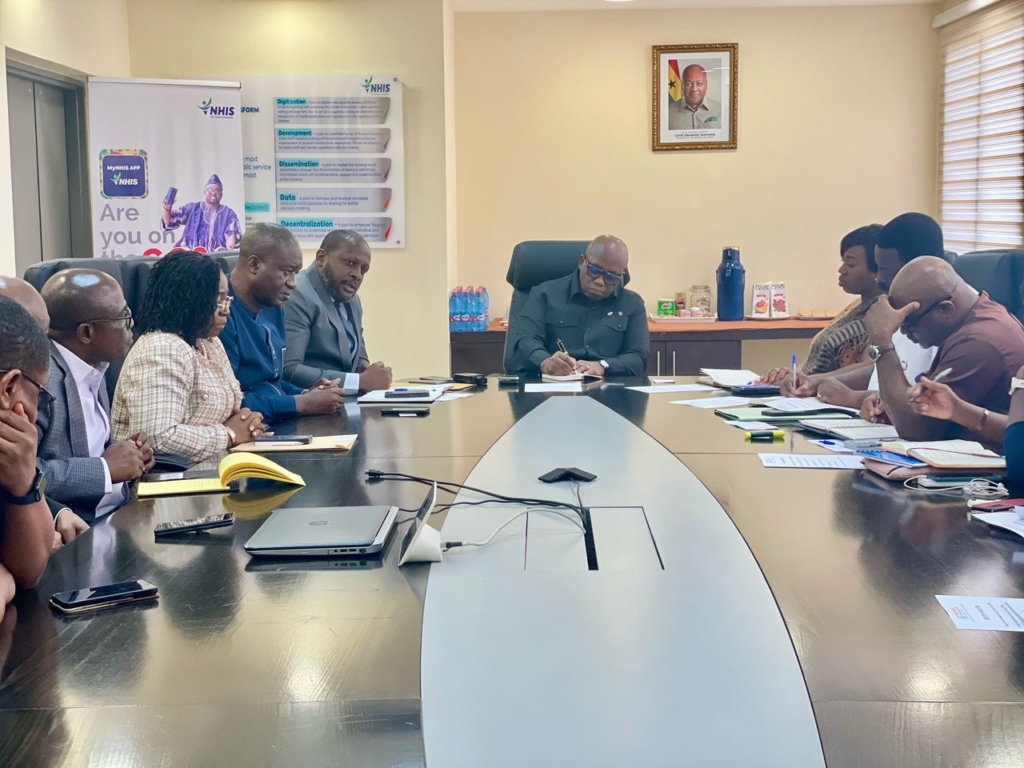
Dr Mrs Rebecca Acquaah-Arhin, another member of the delegation, called for fair tariff structures under the National Health Insurance Scheme (NHIS), arguing that private hospitals provide crucial services under the scheme and should be adequately supported.
“If NHIS is covering patients in private hospitals, then the tariffs must reflect the actual cost of service delivery,” she said. “We are not just running businesses; we are contributing to national healthcare.”
NHIA’s response NHIA Deputy CEO (Operations), Dr Senanu Kwesi Djokoto, acknowledged the role of private health facilities in expanding access to healthcare. While private providers operate as businesses, he noted that they also serve public health needs and should be included in national healthcare planning.
“For us to achieve universal health coverage, government and the private sector must work together,” he said.
“We recognise the role of private facilities, and ongoing discussions will help address challenges such as the fair distribution of health services and human resource allocation.”
Dr Bampoe welcomed the Chamber’s initiative and assured the delegation that the NHIA was open to engaging private healthcare providers.
He said the Authority was working to improve efficiency, transparency, and service delivery, particularly through technology-driven solutions.
“A major challenge for us is addressing illegal co-payments, which erode public confidence in the NHIS,” he explained.
“We recognise that this issue is tied to tariff levels and payment timelines, and we are working on solutions to address it.”
Mr Bampoe outlined the NHIA’s priorities, including improving claims processing, tackling illegal co-payments, and advancing the government’s plans for free primary healthcare and the Mahama Cares initiative, which deals with non-communicable diseases.
“We are working to ensure that NHIS payments are prompt and that tariffs are realistic,” he said.
“But beyond that, we must strengthen controls to eliminate illegal charges and build a system where basic healthcare is accessible to all,” he added.
The meeting ended with both parties agreeing to continue discussions to strengthen Ghana’s healthcare system.
Latest Stories
-
Jimmy Aglah’s ‘When the River Testified’ approved by NaCCA as Supplementary Reader
8 minutes -
Hubtel willing to contribute to Ghana’s proposed AI fund – CEO
13 minutes -
Nkrumah family pays tribute to Gamal, says he died after prolonged illness
22 minutes -
Police arrest eight suspects in anti-narcotics operation at Okaishie Drug Lane
33 minutes -
Former Krowor chairman pledges grassroots empowerment in NDC regional chairmanship bid
35 minutes -
GES recommends reposting of Obuasi SHTS headmaster after August 2026 campus riot
38 minutes -
Rocky Dawuni celebrates King Ayisoba for taking traditional music global
51 minutes -
Ghana targets $5bn in annual economic gains from AI – Sam George
52 minutes -
From childhood dreams to future careers: Ecobank’s Big Pitch seeks to promote early savings and investment
54 minutes -
Public office demands make party work difficult for NDC appointees – Mahdi Gibril
55 minutes -
AI could deepen rural-urban inequality without better connectivity – Sam George
59 minutes -
One of six inmates who escaped from Konongo police cells rearrested
1 hour -
Sam George cautions ministers against reading unverified AI-generated speeches
1 hour -
Ghanaian entrepreneur Mary Nyamekye Asamoah wins Africa Travel 100 award
1 hour -
Obuasi SHTS abuse: Sanction all officials who failed to act – Moving Masculinity
1 hour