


Audio By Carbonatix
Stakeholders across the Ahafo Region, including traditional authorities, religious leaders, political office holders, media practitioners, policymakers, and healthcare providers have joined hands to declare a firm ‘NO’ to illegal charges and unauthorized out-of-pocket payments within the National Health Insurance Scheme (NHIS).
The widespread practice of imposing extra costs on patients aside from approved scheme benefits has severely damaged the performance of the NHIS by punishing existing subscribers and deterring non-subscribers from enrolling.
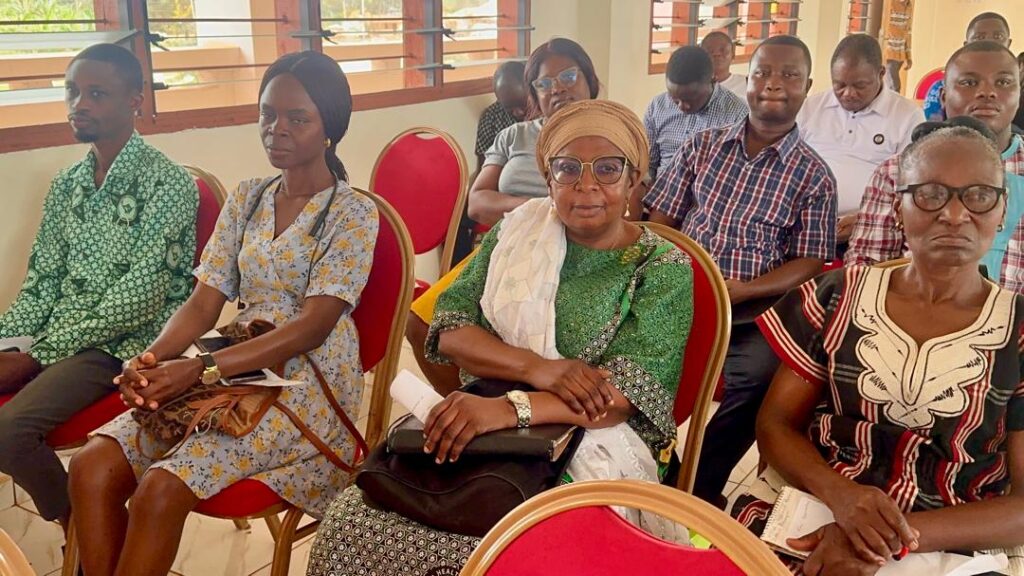
Regional authorities have issued a warning to healthcare providers to desist from these illegalities or risk apprehension and prosecution, while actively empowering patients to report extortion directly to officials.
Taking direct action to sanitize the system, the Asutifi South District Assembly has rolled out aggressive measures to streamline scheme operations and eradicate extortion.
District Chief Executive (DCE) Benjamin Assabil Dorkor announced the planned formation of a dedicated district taskforce specifically assigned to combat these unauthorized fees.
Mr Dorkor noted that the taskforce will monitor health facilities, receive direct reports from patients, and relay crucial information to district management for the onward cracking of the whip against offenders.
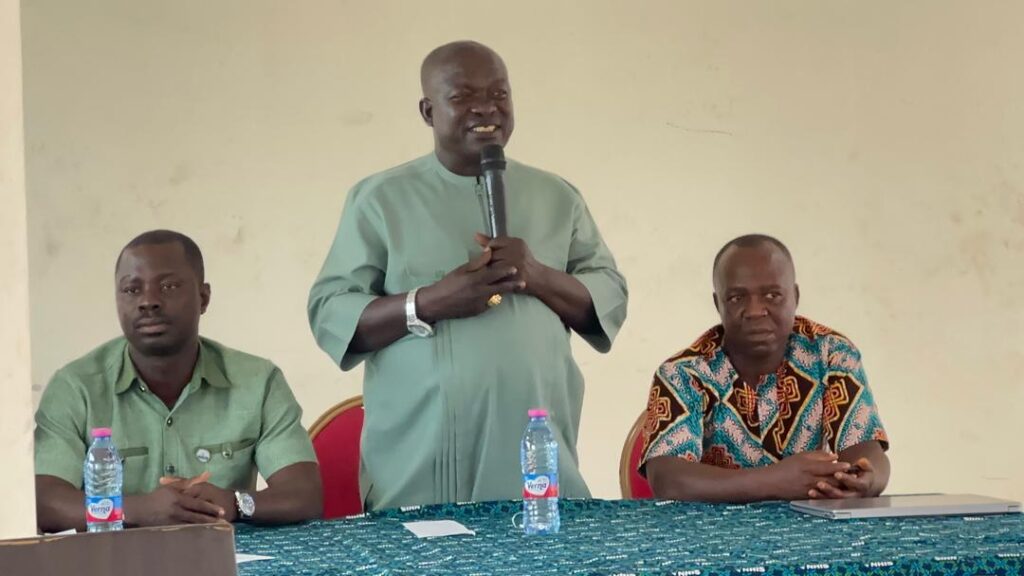
The call for structural reform was highlighted during the Mid-Year 2026 Performance Review Meeting of the Asutifi District National Health Insurance Authority (NHIA), held on Thursday, September 10, in Hwediem.
Speaking at the session, Asutifi District Manager Joseph Sarkodie emphasized that the core motif of the scheme is making healthcare easily accessible to all residents.
He outlined plans to reach an 80 percent coverage target in the district to advance universal health coverage through continuous community education, public durbars, and door-to-door registration drives.
Ahafo Regional Director of the NHIA, George Mawuli, reinforced that comprehensive monitoring frameworks are now active across facilities to eliminate extortion and ensure smooth policy execution.
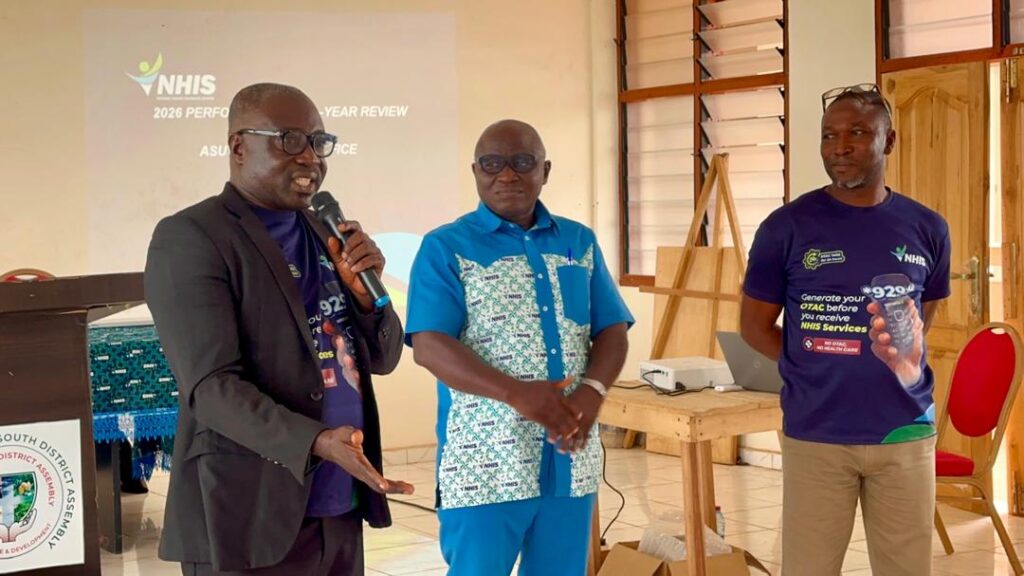
The stock-taking and assessment meeting also evaluated several operational shifts, including the performance of the newly introduced One Time Attendance Code (OTAC) currently being piloted in the Ahafo region, newly updated NHIA tariffs, and key institutional bottlenecks.
Addressing the assembly, participants and traditional leaders urged the management of the NHIA to expand the scheme's approved drug list to include very affordable basic medications such as Paracetamol and Vitamin C.
They stressed that the current exclusion of these basic drugs provides healthcare facilities with an excuse to sell them directly to patients or refer them to private pharmacies at inflated out-of-pocket prices
Latest Stories
-
No education reform can succeed without teachers – Education Ministry
8 minutes -
Gauff condemns racist abuse after China Open win
24 minutes -
Medvedev disqualified for hitting spectator with ball
33 minutes -
Oliseh scores twice in late comeback win for France
42 minutes -
Pentagon stops using Anthropic AI tools after blacklisting company, BBC told
51 minutes -
From despair to dance: Family of nurse Salomey Baffoe rejoices after GH¢100k bail granted
1 hour -
Kejetia Phase III pricing talks loom as government moves to restart stalled works
2 hours -
Nchiraa Yam festival: Two killed, 14 injured as police restore calm
2 hours -
I draw inspiration for my songs from Reggae music – Lyrical Joe
2 hours -
AI must not replace human judgment in public spending – BoG Governor
2 hours -
Ghana should withdraw from 2027 AFCON – Kojo Addae Mensah
2 hours -
Team Ghana departs Accra for Angola ahead of Karting Africa Trophy
2 hours -
AIT President Prof Clement Dzidonu urges lifelong learning as AI reshapes work and education
2 hours -
FWSC to meet striking teacher unions on Tuesday
2 hours -
NPP won’t force candidates to step down – Miracles Aboagye
3 hours