

Audio By Carbonatix
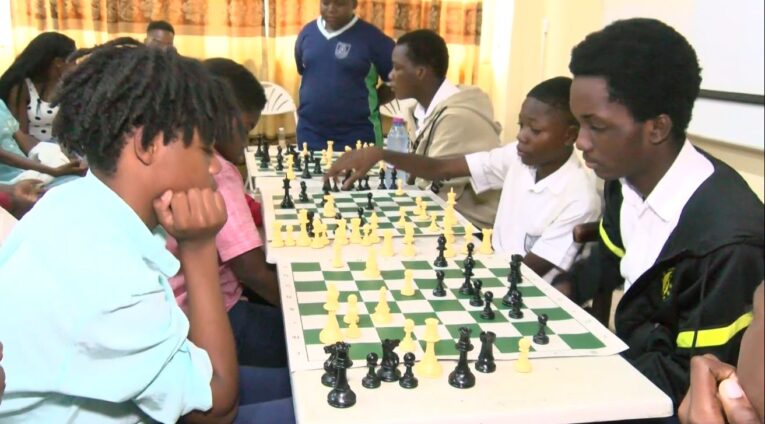
Educators are advocating for the integration of chess into school curricula as a practical tool for developing critical thinking, problem-solving and decision-making skills among children amid growing concerns over declining attention spans and increased screen time.
The call was made during the presentation of chess sets and learning materials to Jack and Jill School in Accra by the Markin-Newsome Family in partnership with the Hopeful Sights Foundation to support the establishment of a school chess club.
Speaking at the event, Mrs Rebecca Nana Esi Amounua Markin Newsome said the initiative seeks to make chess more accessible to children while nurturing confident thinkers and future leaders.
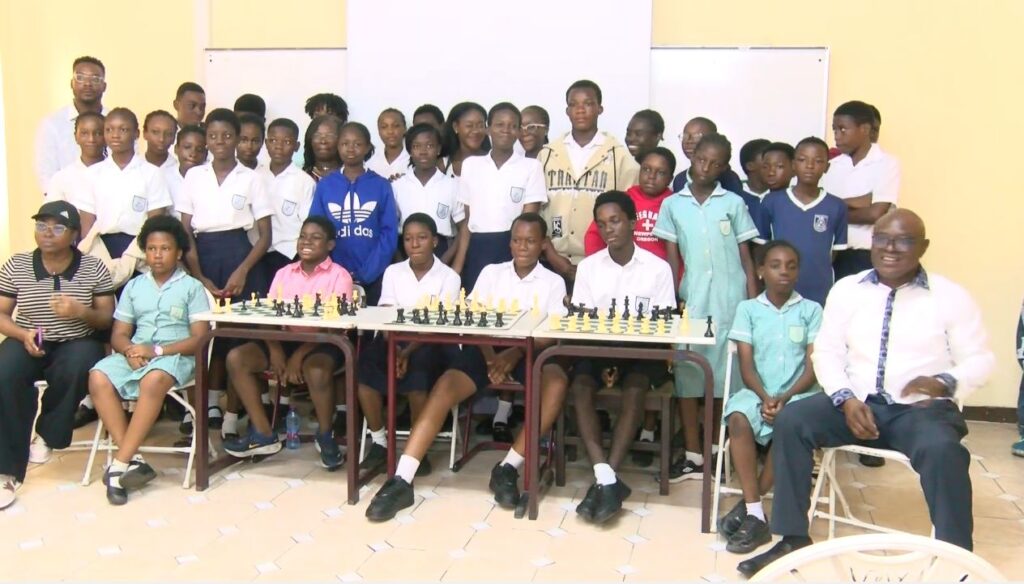
"Our goal is to give more children the opportunity to learn chess because it helps develop confidence, discipline and the ability to think critically," she said.
Co-founder of the initiative, Mr Lamon R'shad Newsome, said the programme is expected to expand to more schools across the country to expose a greater number of children to the educational benefits of the game.
He noted that beyond competition, chess helps children develop creativity, strategic thinking and essential life skills that prepare them for future challenges.
A tutor at Jack and Jill School, Adelaide Dagbeshie, described the initiative as timely, saying many children are increasingly distracted by digital entertainment.
According to her, chess offers a constructive alternative that strengthens concentration, patience and independent thinking.
Managing Director of Jack and Jill School, Kojo Qwakye, said chess should be viewed as an educational tool rather than merely a recreational activity.
He explained that the analytical thinking, teamwork and discipline cultivated through the game can improve academic performance while contributing to the development of Ghana's future human capital.
One of the beneficiaries, Harry Sarkodie, a pupil and chess champion at the school, said playing chess has helped him think strategically, solve problems and build lasting friendships.
Organisers expressed optimism that introducing chess clubs in more schools will equip children with skills that extend beyond the classroom, helping them become focused, analytical and responsible future leaders.
Latest Stories
-
Manhyia South MP charged with conspiracy, financial loss and money laundering
3 minutes -
Attorney-General charges Manhyia South MP over alleged GH¢9.85m financial loss
5 minutes -
Food Security: Buffer Stock CEO calls for more investment in Agri-Tech
5 minutes -
Three missing children found dead in parked vehicle in Tamale
15 minutes -
Nana Akomea denies reports linking his absence from NPP executives’ introduction to Kojo Bamba
16 minutes -
2026 U-17 WWC: Black Maidens arrive in Morocco for tournament
18 minutes -
GSA suspends pre-shipment inspection of imported used vehicles
25 minutes -
Elevate Africa confirms presidents, vice presidents and ministers for 2026 Annual Convening in Accra
49 minutes -
Keta MP commissions 60-seater kindergarten facility to replace unsafe structure
54 minutes -
Salomey Awiti-Baffoe’s lawyers welcome GH¢100,000 bail after earlier rejection
55 minutes -
Domestic tourism and its impact on the local economy
1 hour -
Top-Up Pharmacy wins Community Pharmacy Chain of the Year at 2026 PSGH Pharma Excellence Awards
1 hour -
Nigeria military aircraft with 32 on board crashes
1 hour -
Black Stars need a coach who can inspire players to perform – Ignatius Osei Fosu
1 hour -
Revenue collector crushed to death on Kasoa-Winneba highway
1 hour