

Audio By Carbonatix
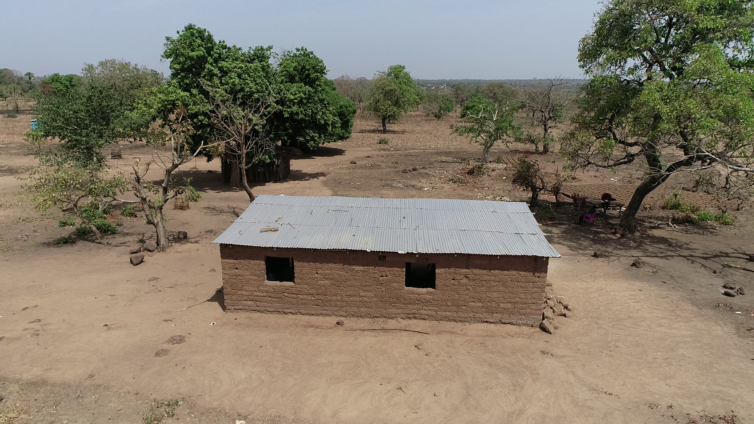
Behind Siiru D/A Basic School in the Wa West District, piles of freshly moulded mud blocks are drying under the sun. They are the product of a community that says it can no longer wait for government to provide proper classrooms for its children.
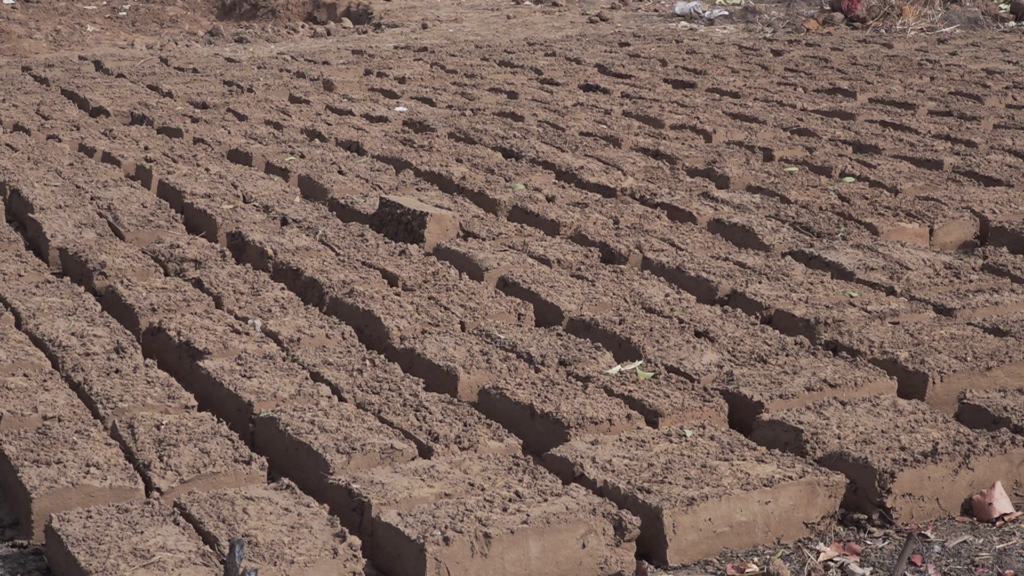
Residents, mostly small-scale farmers with little to spare, are contributing labour, food and money towards the school. Some mould the blocks and work on the structure. Others cook for the workers or contribute the small amounts they can afford.
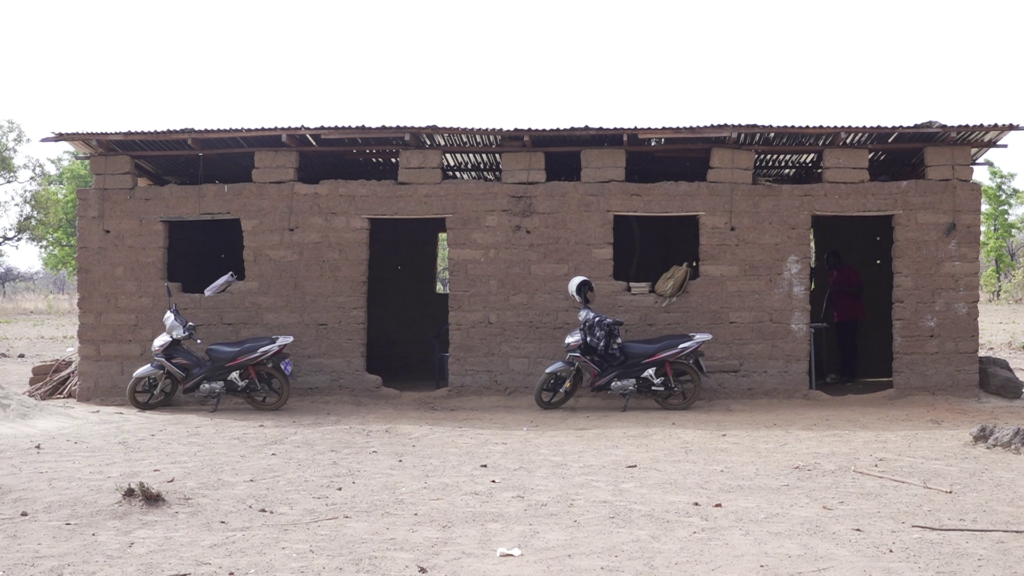
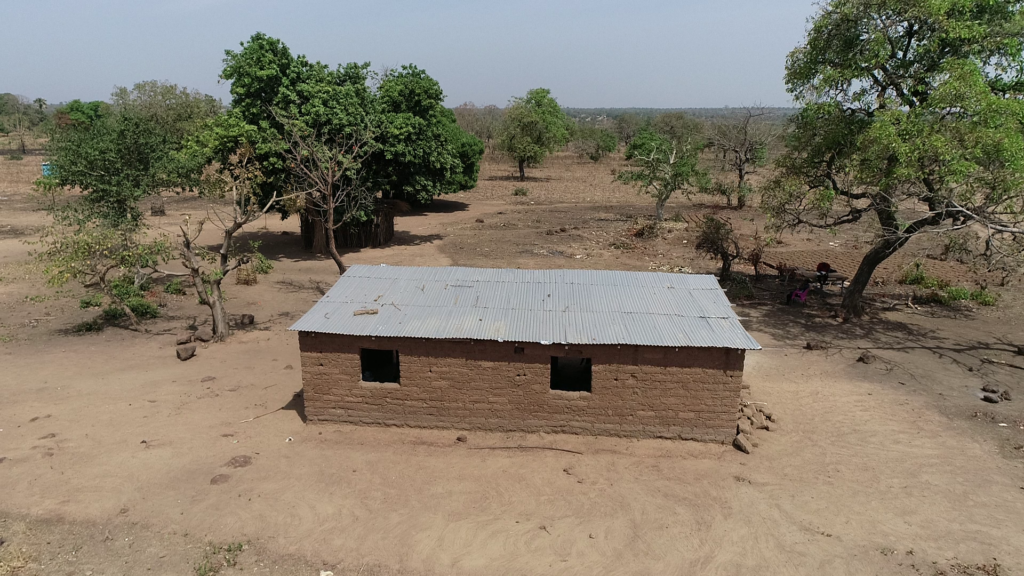
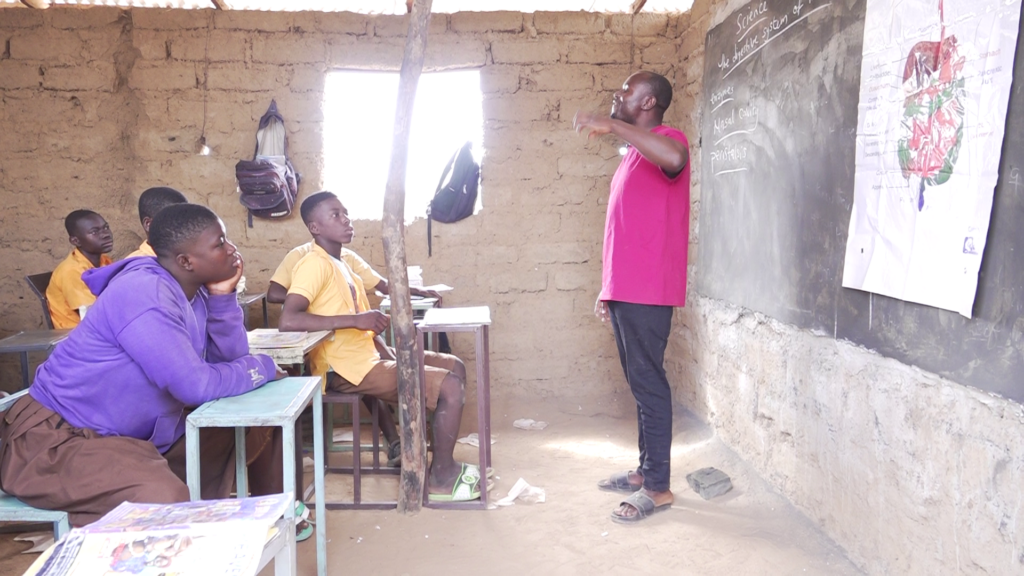
Their effort has already produced two mud classrooms. One accommodates the school’s first JHS One class, allowing children who complete Primary Six to continue their education in Siiru instead of travelling several kilometres to Kanga.
Inside the classroom, the pupils are already taking lessons, including a recent class on the digestive system. The second room accommodates Basic Three pupils who previously studied under a tree, exposed to the sun and strong winds.
The two rooms are part of a three-unit temporary classroom project initiated by the community. The third room is yet to be completed.
The chairman of the School Management Committee, Sumani Tampuyenaa, said residents were compelled to act because the school lacked the basic facilities needed for effective teaching and learning.
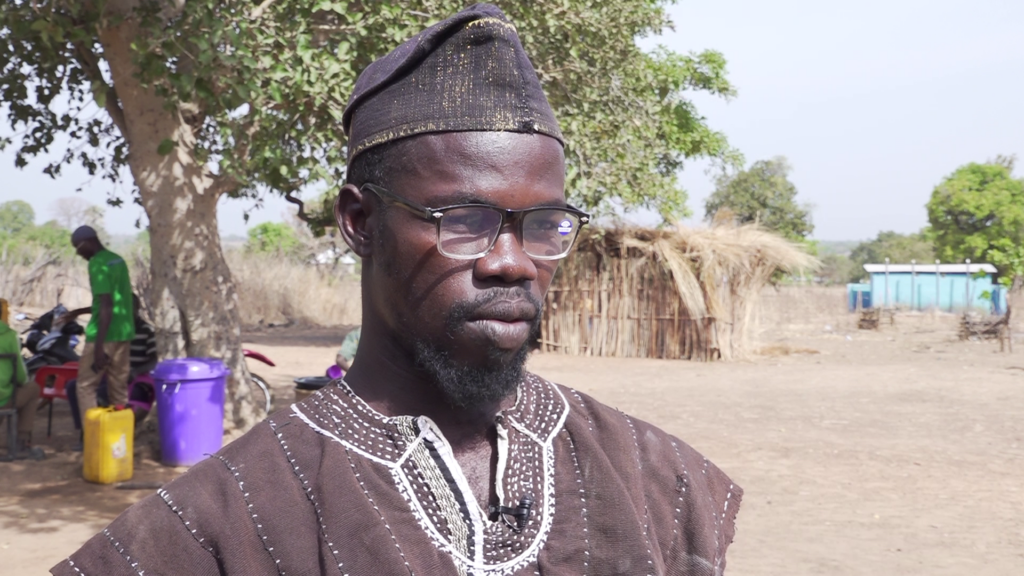
"If you see the school, we don’t have a school block for the students to be taking their learning process," he said. “As well as furniture, school feeding and water, all of them, we don’t have. But we, the committee, we do our best."
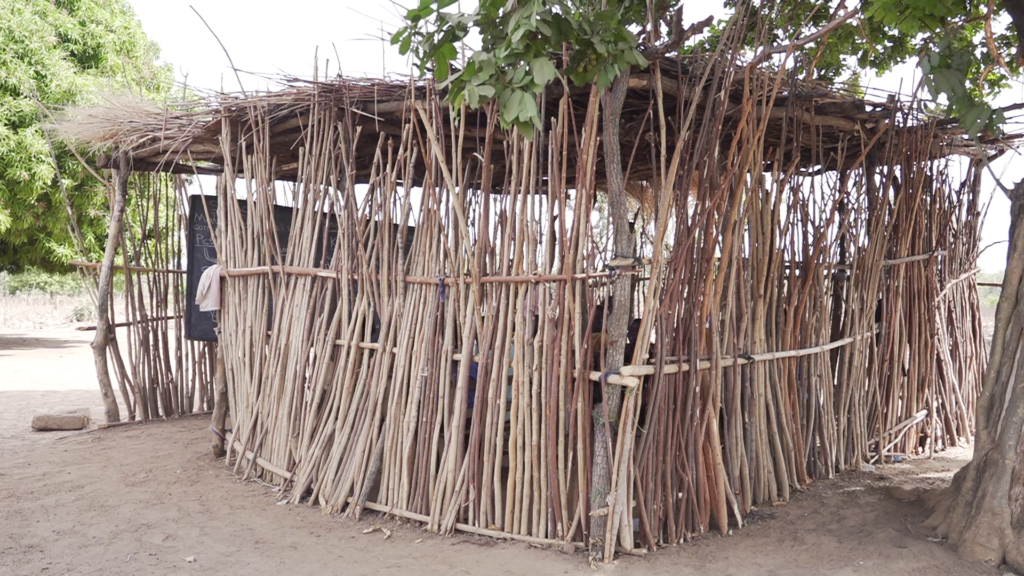
Two years on, children remain in temporary structures
This is JoyNews and School For Life's second visit to Siiru. During the first visit two years ago, some children were learning under trees because there were not enough classrooms.
Two years later, the community-built rooms have brought some relief, but straw sheds are still being used as classrooms. A half-roofed pavilion also accommodates more than one class.
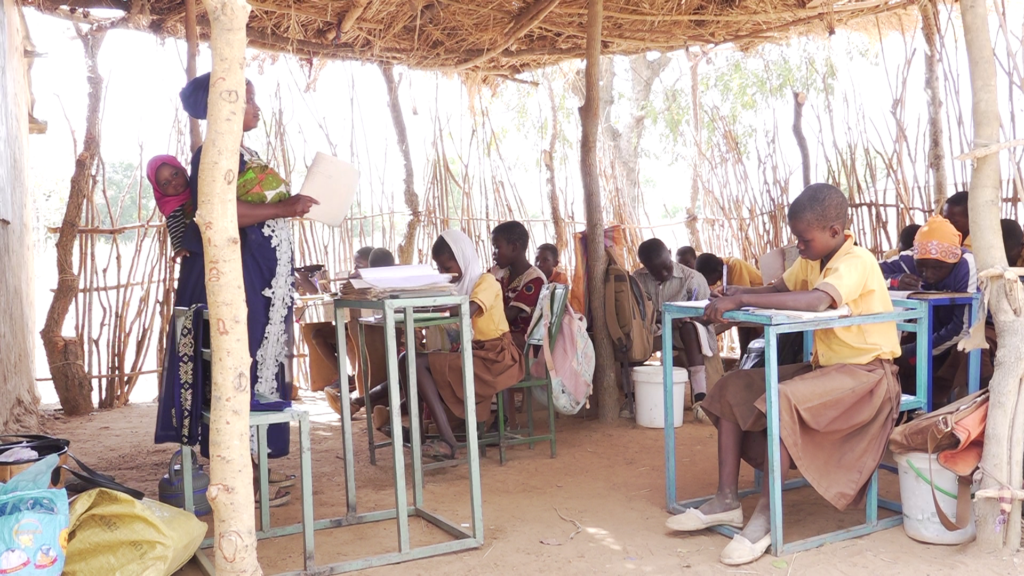
When strong winds sweep through the school, lessons slow down. When the heat becomes too intense, teaching sometimes stops altogether. The school also continues to struggle with inadequate furniture, drinking water and space for children to sit and learn.
Community leaders say they have appealed to the Wa West District Assembly for a six-unit classroom block for years, but the promised intervention has not materialised.
The absence of a junior high school in Siiru had also created a difficult choice for children completing Primary Six. They had to travel several kilometres to Kanga to continue their education, a journey school authorities say discouraged some pupils from progressing to junior high school.
The School Management Committee chairman said the distance was a major reason residents decided to start a JHS in their own community.
“We have JHS at Kanga. If you know Kanga, it is far,” he said. “That is why we decided ourselves to build these pavilions for those who have completed to start learning as a junior high school.”
With no permanent classroom block in sight, residents turned to the materials and skills available to them.
“Because we don’t have a school building, we have volunteered ourselves to build for the schoolchildren,” the chairman said. “We used mud bricks to do it. Some of it is like a temporary classroom.”
Community plans its own six-unit classroom block
The mud classrooms are only the first step. The headmistress and the School Management Committee have drawn up a broader action plan, beginning with a six-unit classroom block to move all pupils out of the straw sheds and pavilion.
The community intends to contribute labour, money and locally available materials towards the project. Residents say they will continue building gradually, even if completing the block takes several years.
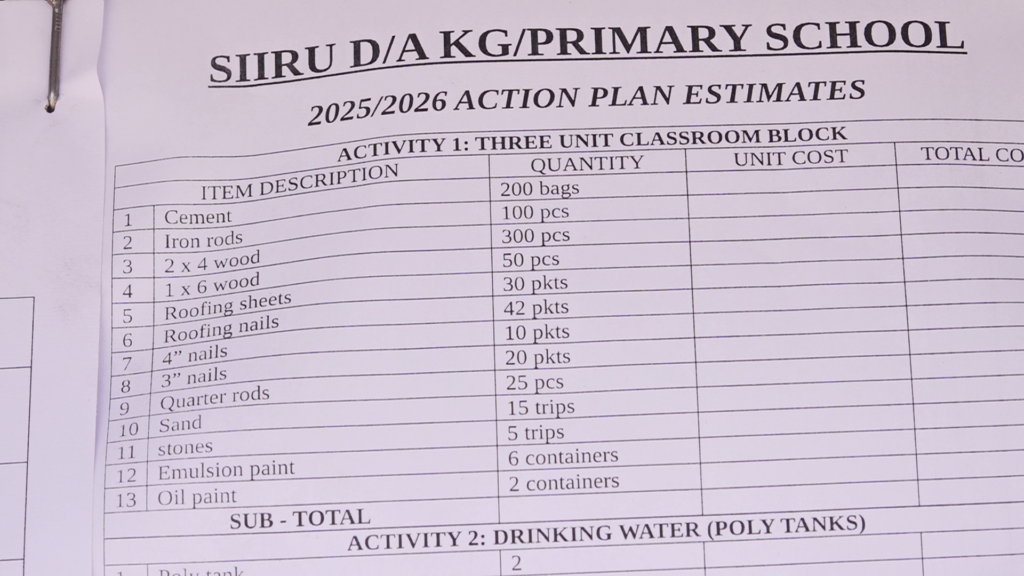
The headmistress of Siiru Basic School, Don Mahatebel said the community had become more involved in the school’s development since the first JoyNews report and had already begun moulding bricks for another classroom.
“Actually, there have been tremendous changes in our school since you came here,” she said. “The community are now more active than before. This academic year, they are embarking on another classroom block, and they have just started moulding the bricks.”
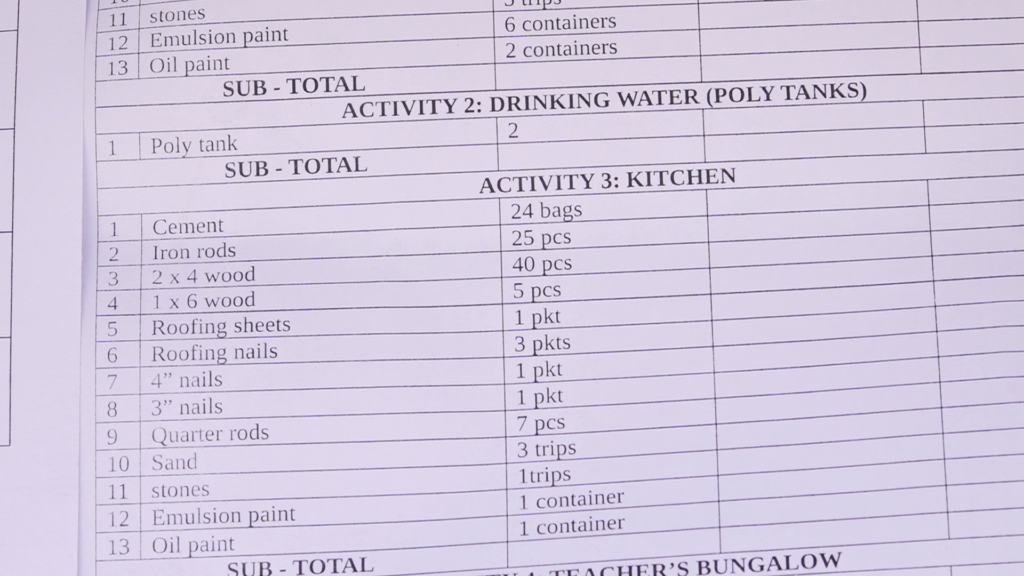
The action plan goes beyond classrooms. The school is also seeking a reliable source of clean drinking water so pupils do not have to endure the day without water.
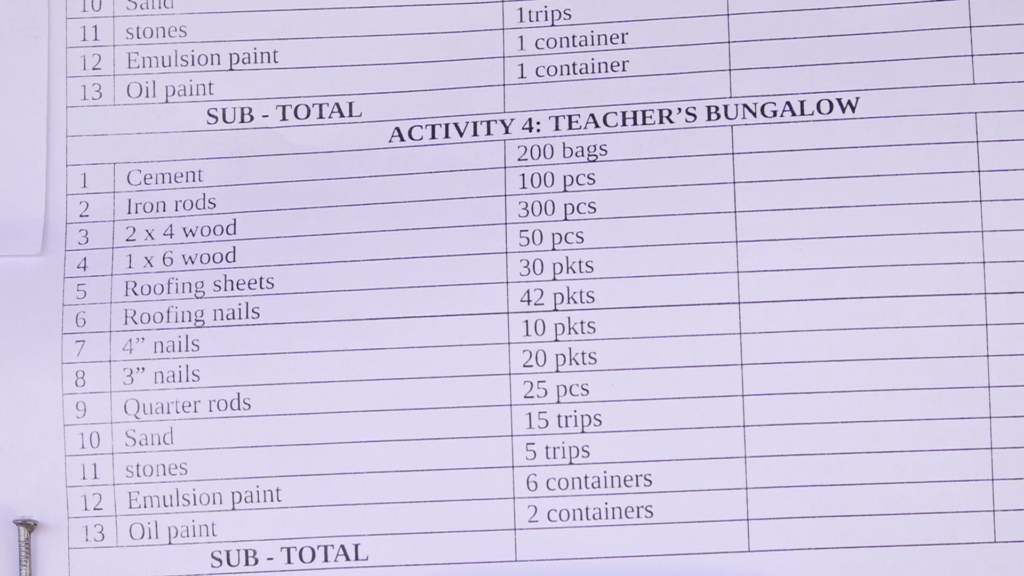
It needs a kitchen to protect food prepared by parents from the wind and rain. A teachers’ bungalow is also part of the plan, allowing at least one teacher to live in the community and report to school early.
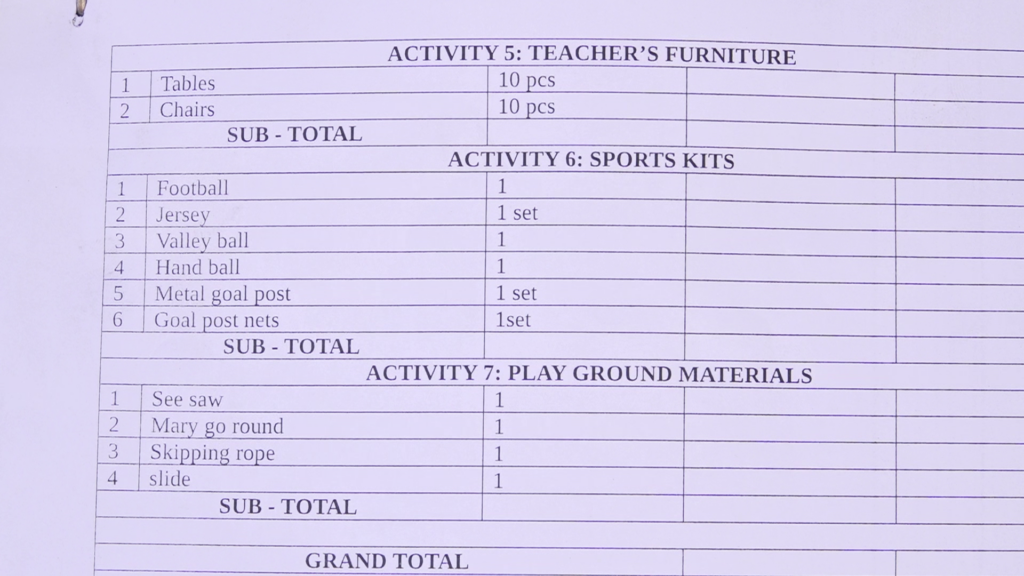
Other needs include tables and chairs for teachers, furniture for pupils, sports kits and basic play equipment for younger children.
For Siiru’s largely farming population, completing all the projects will be difficult. But school authorities say the willingness of residents to contribute whatever they have has kept the initiative moving.
“A teacher is born to teach. You are born to make a change. So we do our part. Then the community also does their part,” the headmistress said. “The community actually is our motivational tool.”
Siiru still does not have the permanent classrooms its children need. But instead of waiting for another promise, residents are moulding more blocks and working towards a school they say they will complete, no matter how long it takes.
Latest Stories
-
Police blur the line between invitations and arrests – Reindorf Twumasi Ankrah
2 minutes -
Turning invitations into arrests is making citizens reluctant to assist police – Twumasi Ankrah
35 minutes -
The Traffitech-GH SMS spot-fine system: The good, the sad, and the funny – Bright Simons writes
47 minutes -
Hawa Koomson pledges experienced and mature leadership of NPP women’s wing
2 hours -
Young woman found dead at Kasoa Peace Town
2 hours -
Playback: The Law examined lawful arrest in Ghana
3 hours -
Mahama urges African governments to treat healthcare as an investment, not budget cost
3 hours -
Bawumia congratulates John Boadu and new NPP executives, pledges support ahead of 2028
3 hours -
Aksa Energy delegation pays courtesy call on GRA Commissioner-General
3 hours -
‘No talent should be left out’ – Bawumia pledges inclusive NPP campaign for 2028
4 hours -
Prof. Mike Oquaye recounts how he blocked the Special Prosecutor’s attempt to arrest Bawku Central MP
4 hours -
Make health sovereignty a priority for Africa – Mahama
4 hours -
Dorimon Naa, Wa West DCE lead massive clean-up exercise; threaten sanctions against recalcitrant residents
4 hours -
Photos from Adom FM Y2K Jam
4 hours -
Praye Tiatia steals the show at Adom FM Y2K Jam [Watch]
5 hours