

Audio By Carbonatix
President John Dramani Mahama has pledged to strengthen government's efforts to tackle the growing number of out-of-school children after concerns were raised by School for Life during his engagement with civil society organisations at Jubilee House.
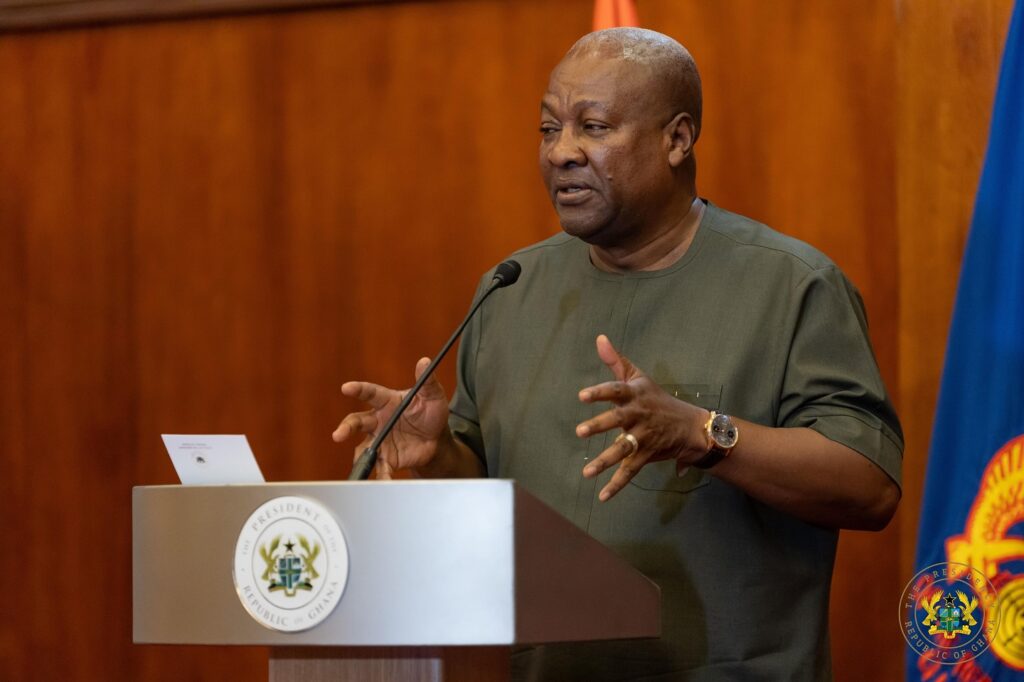
Responding to concerns raised by the Director of School for Life, Wedad Sayibu, the President said he was surprised to learn that the number of children outside the classroom had risen to about 1.2 million. He noted that earlier complementary education programmes had significantly reduced the figure in the past and stressed the need to intensify efforts again.
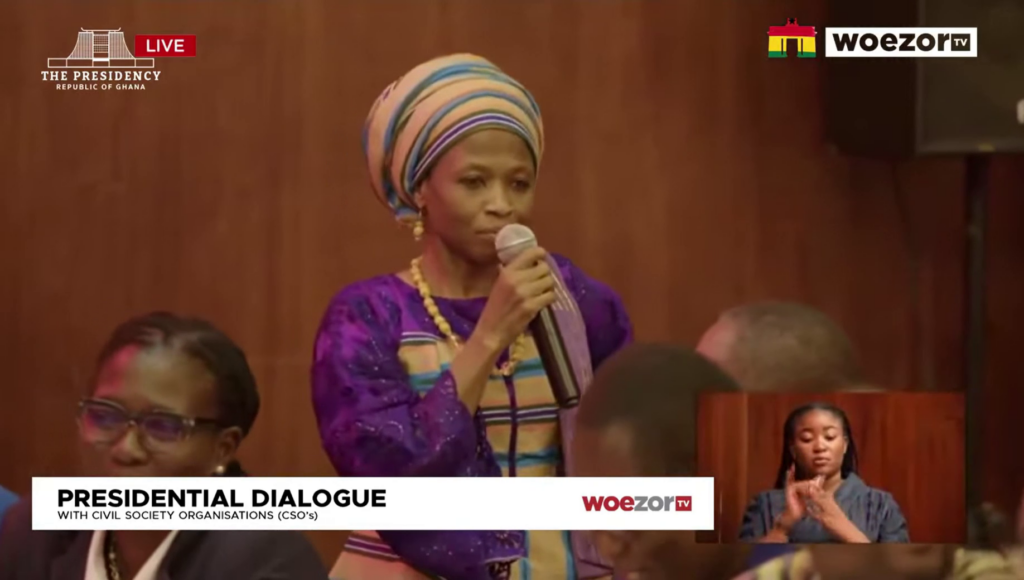
“We need to tighten and increase our efforts in bringing education to these children,” he said, adding that he will request an update from the Ministry of Education on the current status of complementary basic education and determine whether additional funding and resources will be required.
School for Life, an NGO that has spent more than three decades working in deprived communities in Northern Ghana to support children who are unable to access formal schooling. According to the organisation, its Complementary Basic Education programme has helped up to 400,000 out-of-school children gain basic literacy and numeracy skills and transitioned into the formal school system.
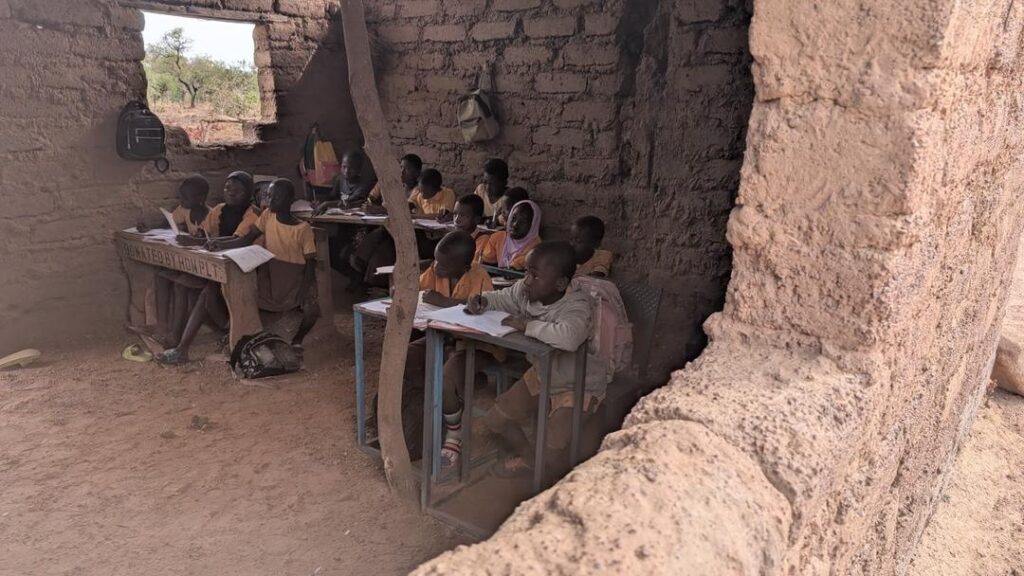
The programme targets children between the ages of 8 and 16 in hard-to-reach communities and runs community-based classes in local languages for nine months before integrating the children into mainstream schools. The model has been implemented in more than several districts across the country, and has also influenced national education policy.
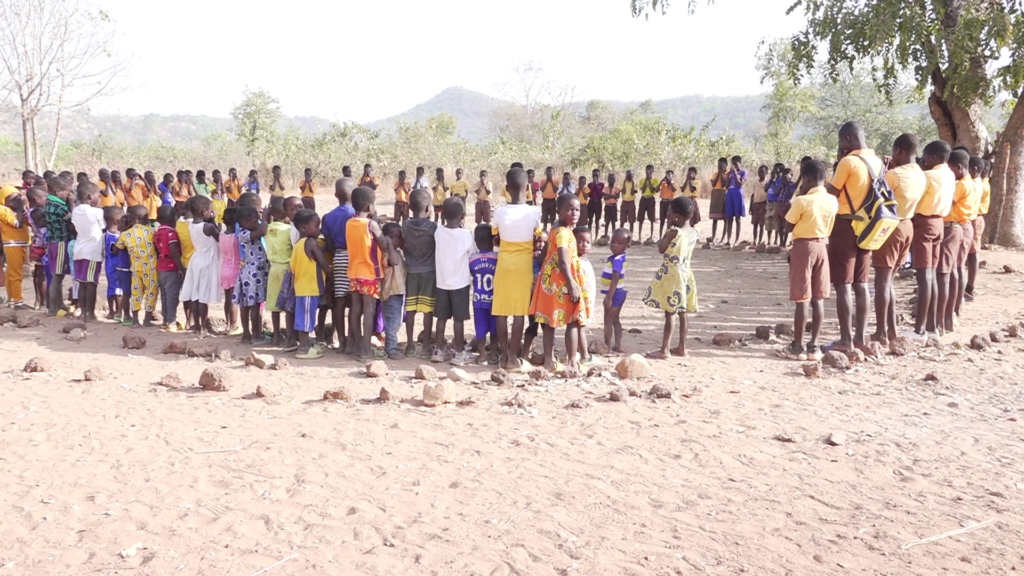
Beyond classroom support, the organisation continues to work with communities to generate data on education gaps, and advocate for improved access to quality basic education across the Northern, North-East, Savanna, Ashanti, Oti, Bono East, Upper East and Upper West regions.
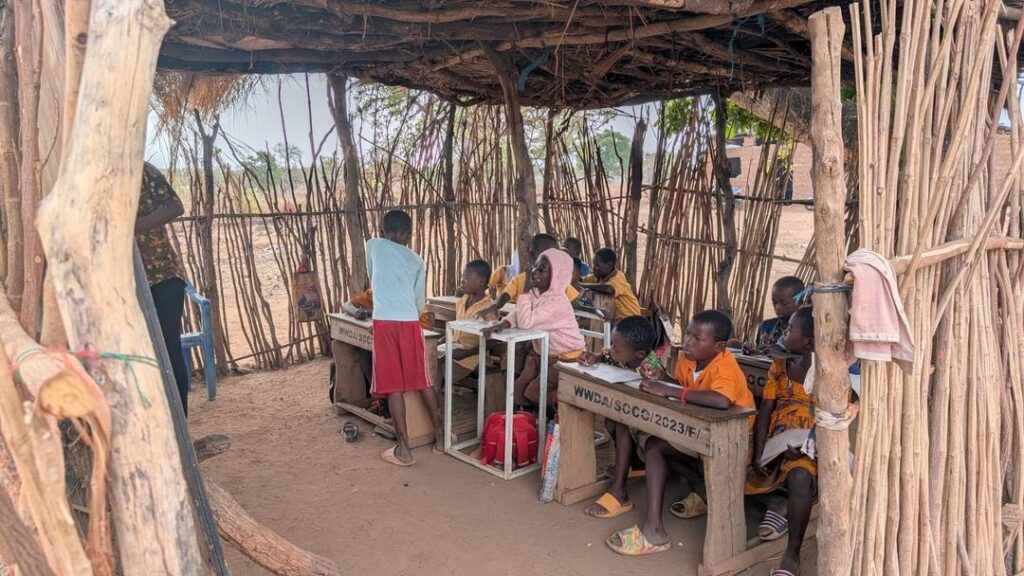
The discussion at the engagement also highlighted broader challenges affecting rural education, including teacher deployment, access to schools in remote communities and limited resources in deprived districts. Civil society groups say stronger collaboration between government and organisations already working on the ground will be key to reducing the number of children outside the classroom.
Latest Stories
-
Assemblies given a 30-day deadline to find land for waste transfer stations
9 minutes -
I do not see myself as better than anyone – NPP’s 1st Vice Chair Kojo Bamba
22 minutes -
Police blur the line between invitations and arrests – Reindorf Twumasi Ankrah
57 minutes -
Turning invitations into arrests is making citizens reluctant to assist police – Twumasi Ankrah
2 hours -
The Traffitech-GH SMS spot-fine system: The good, the sad, and the funny – Bright Simons writes
2 hours -
Hawa Koomson pledges experienced and mature leadership of NPP women’s wing
3 hours -
Young woman found dead at Kasoa Peace Town
3 hours -
Playback: The Law examined lawful arrest in Ghana
4 hours -
Mahama urges African governments to treat healthcare as an investment, not budget cost
4 hours -
Bawumia congratulates John Boadu and new NPP executives, pledges support ahead of 2028
4 hours -
Aksa Energy delegation pays courtesy call on GRA Commissioner-General
4 hours -
‘No talent should be left out’ – Bawumia pledges inclusive NPP campaign for 2028
4 hours -
Prof. Mike Oquaye recounts how he blocked the Special Prosecutor’s attempt to arrest Bawku Central MP
5 hours -
Make health sovereignty a priority for Africa – Mahama
5 hours -
Dorimon Naa, Wa West DCE lead massive clean-up exercise; threaten sanctions against recalcitrant residents
5 hours