

Audio By Carbonatix
Chronic Kidney Patient, Deborah Nortey is among many patients losing sleep over the cost of treatment.
I met with her on her visit to the Korle Bu dialysis centre. Looking frail, tired, and out of breath, she hid her swollen feet in socks and covered her body with a long-sleeved blouse and long skirt.
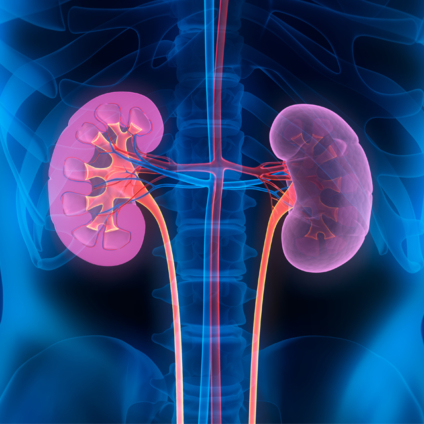
Twice every week, Deborah undergoes a four-hour dialysis session because her kidneys have lost their function making the removal of waste and extra water from her blood difficult.
The Dialysis machine now serves as her kidneys.
To manage her condition and preserve her life long, she is now restricted in the quantity of food and liquid intake.
In between breaths, she explained how draining and painful the process is.
“….So sometimes our muscles react to it and give us spasms and cramps which are very, very, extremely painful…it’s like your tissues are tearing apart.”
Over five years ago, Deborah developed eclampsia, a complicated condition developed during her pregnancy characterized by high blood pressure.
Protein also started seeping into her urine signalling kidney damage. Deborah has since been on dialysis.
She eventually lost her job and source of income because she could not work effectively. She has also lost her marriage and has very little support.
Almost every week, she scrounges about ¢800 for her treatment. But the cost is becoming difficult for her to bear. The benevolence of friends and family is also waning.
“A session like I’m doing today is 380 cedis and that’s the cheapest you can get…Korlebu is the cheapest so far. In case there are issues and we have to visit the private facility, we can pay as high as 550 cedis for one session and you need this at least 2-3 times a week.
"Aside from the dialysis cost, we have injections we need to take to boost our blood—extremely expensive, ¢200 a week—and other medications, labs, and scans...So it is extremely expensive.
Principal nursing officer, Lauretta injects her to begin the process of removing toxins from Deborah’s blood and body.
She revealed more than 90 per cent of patients that visit Korle Bu are unable to afford care because the equipment and medications are imported into the country.
But all hope is not lost for Deborah. She can function normally again if she is able to get a transplant. She currently needs a donor and over 50,000 dollars for the surgery.
Until then, Deborah is relying on the government and all stakeholders to make kidney dialysis easily accessible and affordable, for patients.
Latest Stories
-
Youth Olympic Games in Africa: policy, regulation, and perspectives on shaping youth lives
1 minute -
Contractors move to site for construction of 120-bed trauma hospital in Bole – Kwakye Ofosu
10 minutes -
Poor institutional leadership hindering Ghana’s creative industry – Oscar Provencal
21 minutes -
CSA demands faster sharing of cyber threat intelligence among financial institutions
37 minutes -
CSA warns Ghanaians to verify money requests as AI makes online fraud harder to detect
42 minutes -
NEIP CEO urges Africa to build systems that turn ideas into businesses
44 minutes -
Global Organised Crime Index says cybercrime is undermining Ghana’s digital sector
44 minutes -
Global Organised Crime Index says fraud and tax evasion are widespread across Ghana’s economy
47 minutes -
Threats to journalists limit coverage of cocaine trade in Ghana – Global Organised Crime Index
50 minutes -
Kumawu MP commissions 4-unit nurses’ quarters at Bodomase
51 minutes -
Two arrested after suspected narcotics intercepted at Kasoa
52 minutes -
Our pipes stock are all gone — Duraplast Marketing Manager counts losses after Avenor fire
55 minutes -
Ntim Fordjour calls for cancellation of Ghana-Colombia maritime deal over drug trafficking concerns
57 minutes -
Daily Insight for CEOs: The CEO’s Q4 leadership priorities
1 hour -
Cybersecurity is a business risk, not just an IT issue – CSA Director-General
1 hour