

Audio By Carbonatix
Every morning, Bukari Rahinatu used to ride through clouds of exhaust on her way to work in Ghana’s northeast town bordering Burkina Faso and Togo.
The 25-year-old graduate from the University of Education, Winneba, says the smoke from fuel-powered motorbikes became part of daily life in the busy northern town. By the time she arrived at work, she often felt irritated and uncomfortable.
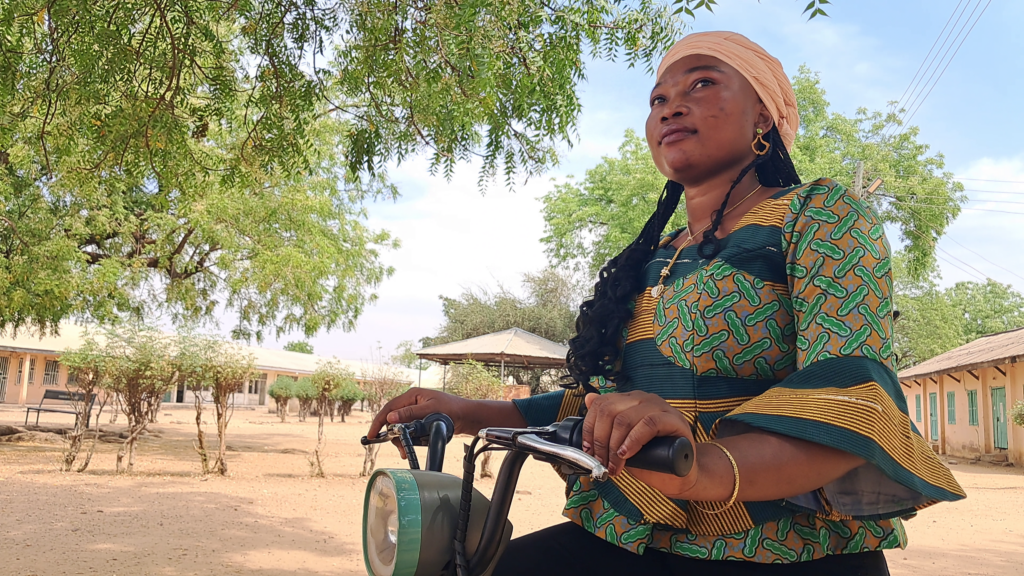
“Sometimes I would cough after riding for long,” Rahinatu says. “You could smell the smoke everywhere.”
That changed when she switched to an electric bike.
“Now I don’t inhale the smoke anymore,” she says with a smile. “The ride is quieter, and I feel better.”
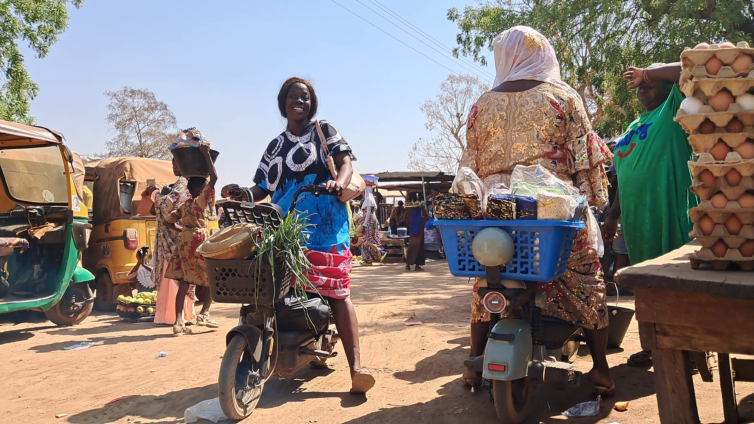
Rahinatu is part of a small but growing shift in Bawku, where electric bikes are gradually changing how people experience their daily journeys.
The change did not come through any formal government policy. After years of tribal conflict in the area authorities imposed security restrictions on petrol-fueled motorbikes, which were widely seen as facilitating fast-moving attacks.
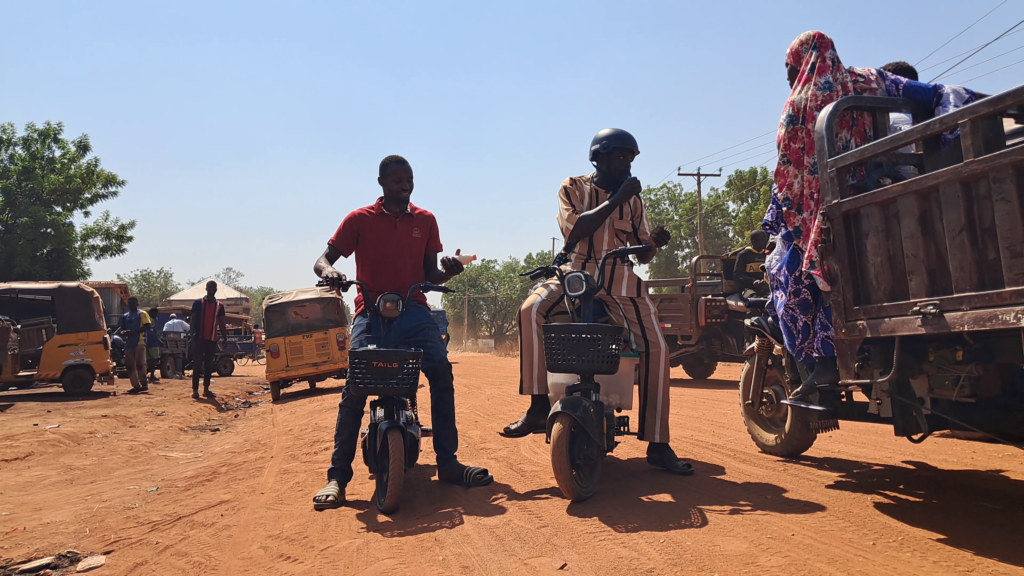
But without the bikes daily life for traders, students, and workers became impossible. More and more people started turning to e-bikes – which were not banned - as an alternative means of transport.
At the centre of the shift is Hakeem Girma, a teacher and CEO of M. Sniff Business Hub, who began importing electric bikes into Bawku in 2023 after he saw a business opportunity in the disruptions caused by the motorbike ban.
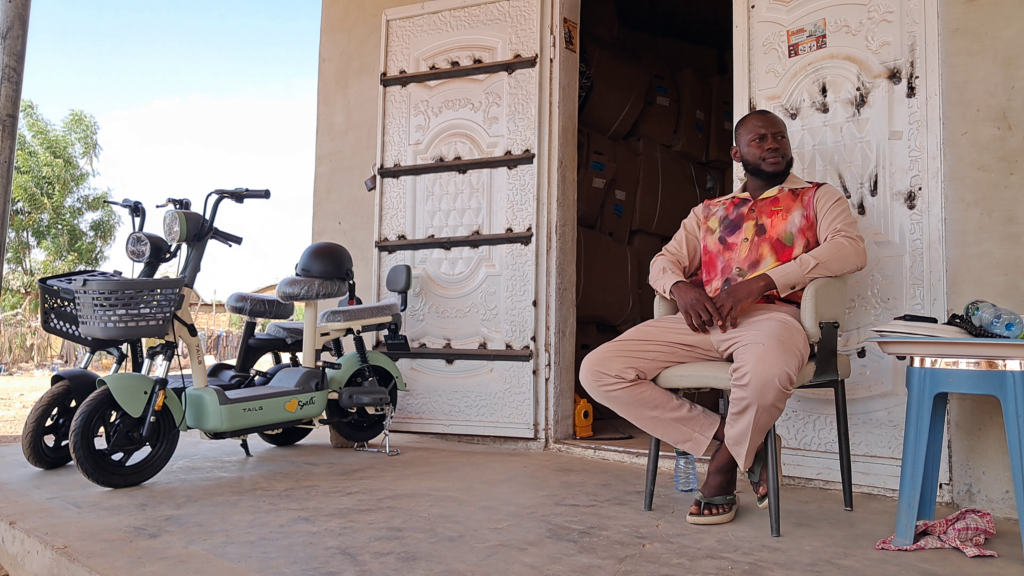
Having seen electric bikes during trips to China, Girma says he believed they could provide residents with a practical and affordable way to move around. As transport challenges worsened, demand for the bikes grew.
The shift has happened quietly over time. E-bikes have begun to reshape local mobility. Residents who have switched to electric bikes say daily travel now feels noticeably different. Many describe quieter rides, easier breathing and evenings that no longer end with coughing, chest discomfort or exhaustion. Although no formal air-quality studies have been carried out in Bawku, riders say the change is already being felt in their bodies, homes and everyday lives.
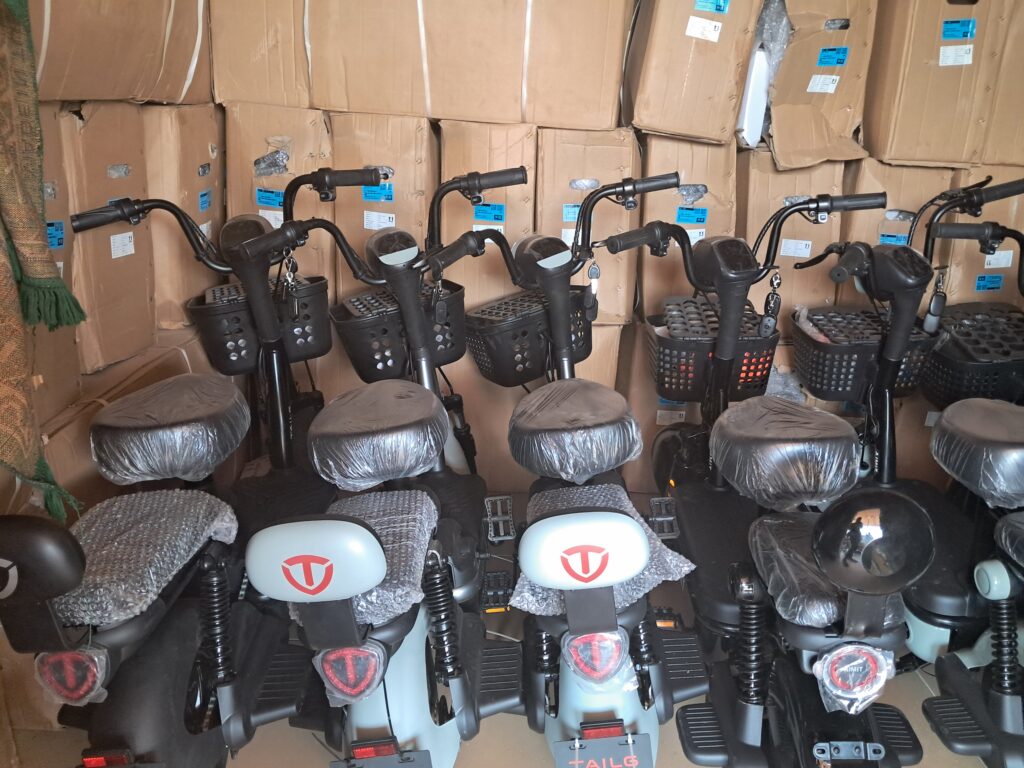
Girma says the business is now about more than profit. “My goal is not just to sell bikes. I want to improve the health of our town.”
He says he is pleased to see changes for parents who once struggled to take their children to school without passing through heavy smoke. “Now children walk in cleaner air.”
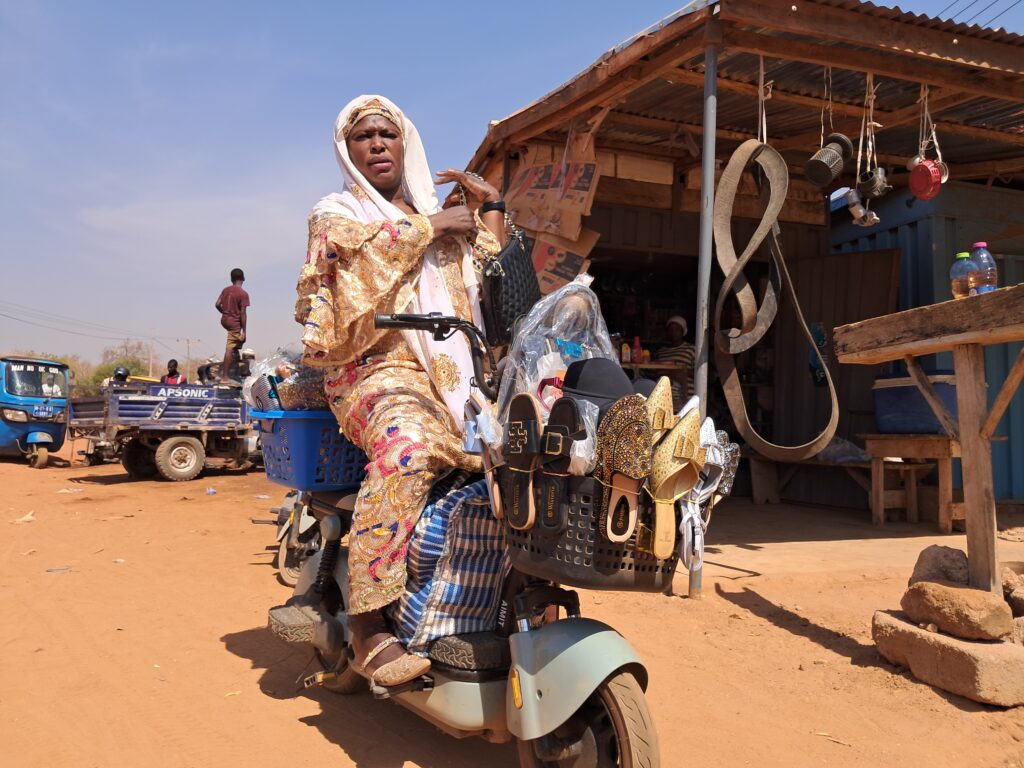
Trader, Basheru Shafawu Kazusa, says she is already noticing a difference. “The electric bike allows me to move freely, and I feel healthier already.”
Experts say there is no doubt that the change is bringing important health benefits for people in Bawku. Air pollution contributes to an estimated seven million deaths globally each year, according to the World Health Organization. Outdoor pollution is linked to rising heart disease, stroke, lung cancer and respiratory illnesses. 32,000 Ghanaians died prematurely because of air pollution in 2003 according to the most recent State of the Air Report.
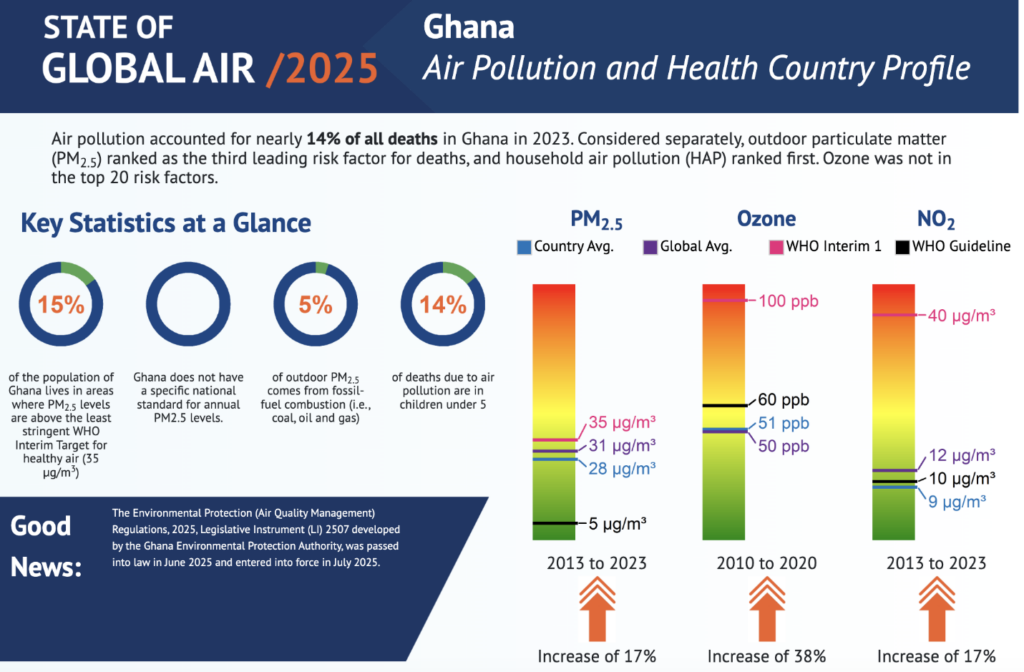
Transport remains one of Ghana’s major sources of pollution, with older motorcycle engines contributing significantly to poor air quality.
“Motorbikes release harmful gases like carbon monoxide, nitrogen oxides and hydrocarbons,” explains Dr Godwin Kafui Ayetor, a clean transport researcher at Kwame Nkrumah University of Science and Technology. “These pollutants enter the lungs and bloodstream, increasing the risk of serious diseases. Electric bikes, powered by batteries, produce none of these gases.”

Health experts say e-vehicles are an essential part of driving better health outcomes in Ghana and reducing the nation’s healthcare bill.
“In the short term, people may experience coughing, headaches, dizziness and throat irritation,” says Associate Professor Napoleon Bellua Sam, an epidemiologist at the University for Development Studies. “Over time, fine particles from the smoke can enter the lungs and bloodstream, increasing the risk of heart disease, stroke and lung cancer.”

The epidemiologist says children, pregnant women and older people are especially vulnerable. “Children’s lungs are still developing, so exposure can increase asthma risk and affect lung growth.”
He says pregnant women exposed to heavy pollution may face increased risks of premature birth and low birth weight, while older people are more vulnerable to heart and lung diseases.
Petrol-powered motorcycles are widely used across Ghana, especially in smaller towns and rural communities where they serve as a major form of transport. They are valued for their ability to move through traffic and reach areas where cars may struggle. In some regions they account for 90 percent of all registered vehicles.
Across Africa, motorcycle use has grown rapidly. By 2022, the continent had an estimated 27 million registered motorcycles, up from about five million a decade earlier.
As awareness of the dangers of air pollution and climate change have grown, so has interest in electric vehicles. Studies suggest that replacing fuel-powered motorcycles with electric alternatives can drive big reductions in harmful emissions. A 2025 study in Kampala estimated that switching to electric motorcycles could reduce exposure to dangerous particles by about 15 percent, alongside a decline in pollution-related deaths.
Ghana’s government has identified electric vehicles as part of the country’s future transport system. In 2023, Ghana government launched a National Electric Vehicle Policy, and the 2024 budget waived import duties on EVs for public transport for eight years. The government aims to end the sale of new petrol and diesel vehicles by 2045.
But the policy's reach has limits. Smaller operators and grassroots adopters — the kind driving the shift in places like Bawku — do not qualify for these incentives, which target certified assemblers and public transport fleets.
For residents in Bawku, this accidental transport revolution has brought a welcome change.
“This change isn’t just about transport,” says Usman Sherif, a technician. “Cleaner transport means healthier communities.”
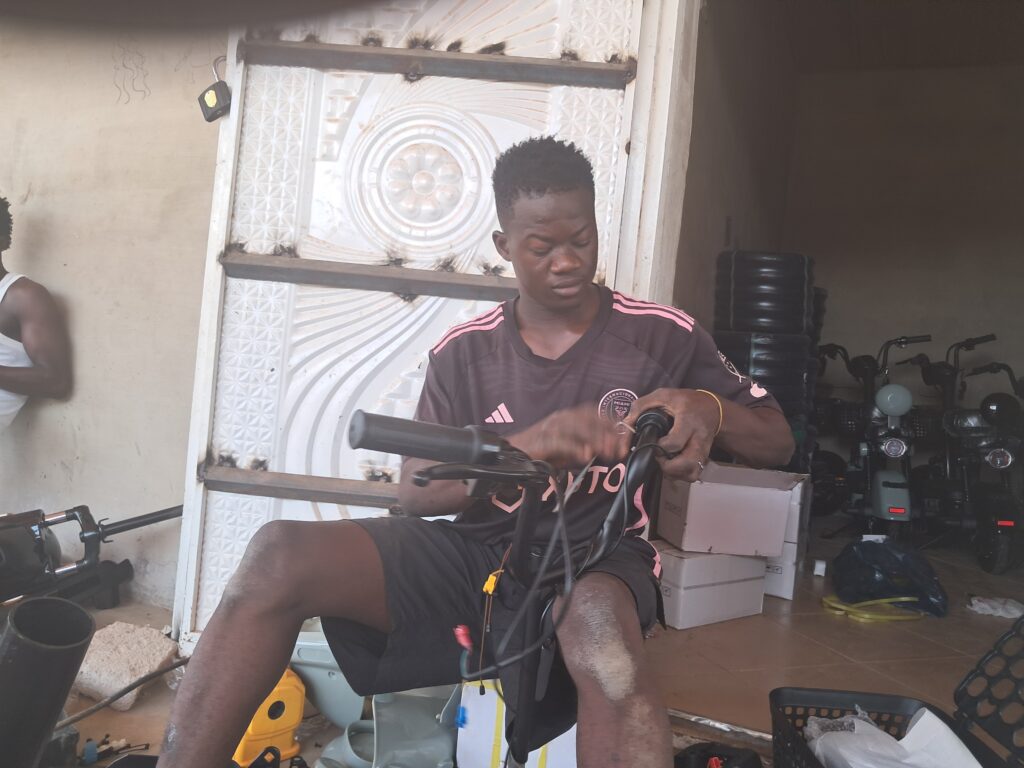
For many residents, the appeal of electric bikes also lies in lower transport costs. Although some of the bikes cost more to buy, riders say they are cheaper to operate because they do not require petrol.
The wholesale price of the e-bike starts from GHS 4,800 (US$413.44) for the entry level that can cover up to 50km on a single charge. The next level up, priced at GHS 6,000 (US$516.80), can travel up to 70km on a single charge.
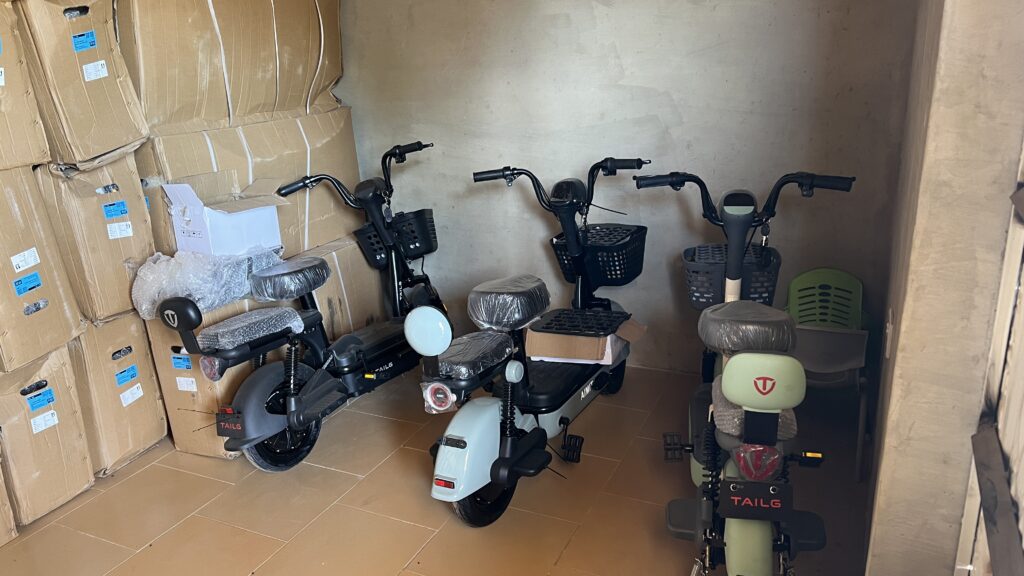
Unlike petrol-powered motorbikes, which can consume up to at least GHS 50 worth of fuel per day, while also releasing harmful emissions into the environment, electric bikes are more energy-efficient and environmentally friendly. In addition, e-bikes generally have lower daily operating costs because they rely on rechargeable batteries instead of petrol.
Many riders also use e-bikes carefully and responsibly to conserve battery power and extend the distance they can travel on a single charge.
There are no public charging stations in the town yet and people have to rely on a sometimes-unreliable electricity supply at home to charge the bikes, but Girma says, a full overnight charge can cost less than GHC5 and last throughout the day.
“Many traders and workers can now move around town after charging overnight at home,” he says. “They spend far less money than they used to spend on fuel.”
Girma says the benefits outweigh the challenges and hopes more towns in Ghana will follow Bakwu’s lead.

For Rahinatu, there is no turning back. “I will continue using my electric bike,” she says. “I feel healthier, and I no longer end my day coughing from smoke.”
This story was produced in collaboration with New Narratives as part of the Clean Air Reporting Project. Funding was provided by the Clean Air Fund, which had no say in the story’s content.
Latest Stories
-
NCA announces major voice and data disruption across Northern Ghana due to fibre cuts
34 minutes -
Photos: Housing solutions take centre stage at Day 2 of the 3rd Republic Bank-JoyNews Habitat Fair
1 hour -
Video: Immunity should be exercised without creating classism – Inusah Fuseini on cocaine bust
2 hours -
Ghana Air Force passes out 293 recruits after six months of intensive training
2 hours -
EOCO vrs Baffour Awuah: EOCO should have secured warrant before arrest attempt at court – Inusah Fuseini
2 hours -
Triple fibre cuts disrupt telecom services across Northern, Oti regions – Sam George
2 hours -
Politicisation could undermine parliamentary probe into cocaine seizures – Dr Osae-Kwapong
2 hours -
EOCO chases MP: Can Section 41 cure lacuna in EOCO Act? – Inusah Fuseini asks
2 hours -
GNFS, GWL inspect fire hydrants in Ministries enclave; 23 found faulty
2 hours -
Gov’t directs release of 50,000 bags of grain to ECOWAS
2 hours -
Ghana, Germany deepen cooperation on railways, labour mobility
2 hours -
Huge crowds greet Pope in Paris for open-air Mass
2 hours -
Ghana’s Charles Amofah Elected Vice President of African Bowling Federation
3 hours -
‘I never said I’ll declare a state of emergency’ – President Mahama on galamsey
3 hours -
Bobby Banson condemns EOCO’s attempted arrest of Nana Agyei Baffour Awuah
4 hours