

Audio By Carbonatix
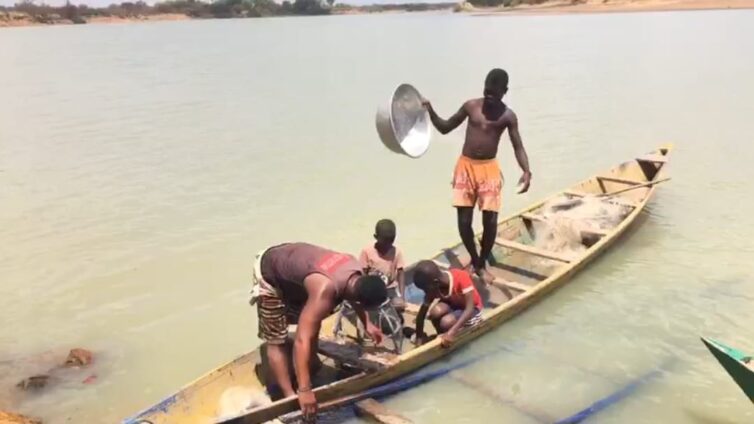
Fishermen operating on the White Volta are sounding the alarm over dwindling fish stocks, citing changes in fish migration patterns, low rainfall, and pollution as major challenges.
Speaking to JoyNews, the affected fishermen revealed that their incomes have been hit hard, with some struggling to make ends meet.
The environmental degradation has also raised concerns about the health risks associated with fishing in polluted waters.
The White Volta, a key fishing hub, has seen a significant drop in fish catches, leaving many fishermen worried about their livelihoods.
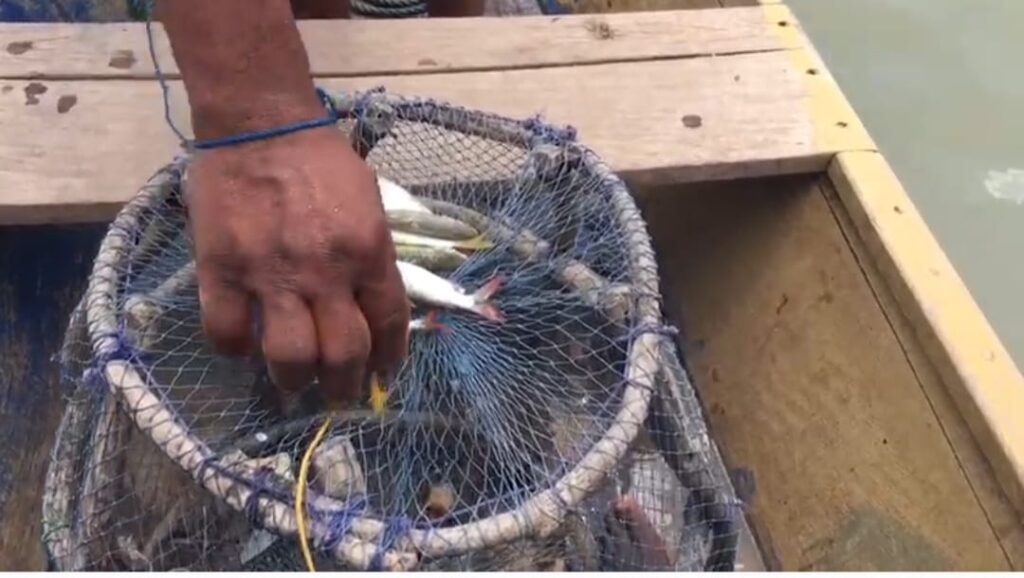
Some said their harvest has dwindled from 10 baskets to barely enough for their own consumption. The downturn is also taking a toll on their health, with malnutrition becoming a growing concern.
A fisherman, Emmanuel Sliy, said they are facing a crisis as climate change and overfishing threaten the country’s fish populations.
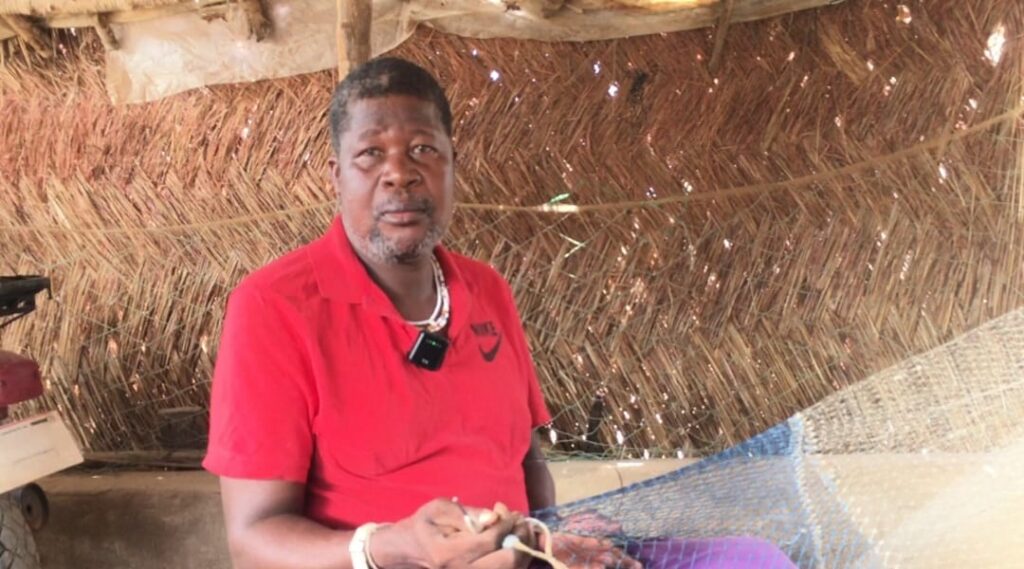
“In the past, fishing was good, but now things are no longer the same. Farmers were not using weedicides, but now they use chemicals, and when the rains fall, it washes everything into the water, which affects the fish.
"When that happens, and you go fishing, you don’t get fish. We don’t even get some of the fish species anymore. Secondly, the water is low, which also affects the fish,” he said, echoing concerns about the impact of human activities on the environment.
Another fisherman, Akuaku Achuuhu, blamed low rainfall for reducing fish catches, saying, “The situation is not good at all.
"Even fish to feed yourself, you won’t get. In the past, the water came in large volumes, and then the fish came, but now the water is low. It’s when the rains fall heavily that water comes, but now the rains don’t come any longer, so you spend your time fishing and come home with nothing.”
Research by Kasia Baidoo, a lecturer at the Department of Aquaculture and Fisheries Sciences at the University for Development Studies, found that climate change is a major factor in the decline of fish populations.
“We conducted a study on the White Volta, and we found that anthropogenic factors and natural factors were contributing to the fish decline, and climate change occurs to be the major problem that is imposing stress on our inland system,” she said.
“When the atmospheric temperature rises, it reflects in the temperature of our water bodies. It increases the temperature levels, and when this happens, it depletes oxygen levels in the water body. When oxygen is depleted, it results in high mortality of fish and migration of fish.”
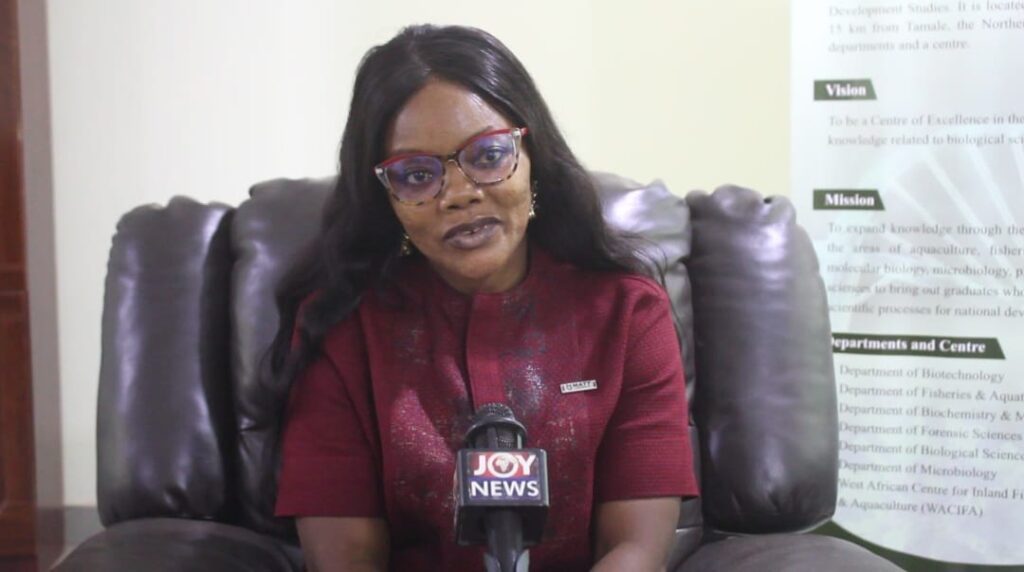
Ms. Baidoo added that overfishing is also a significant contributor to the decline.
“Overfishing sets in when there is pressure on the ecosystem. Fishing continuously imposes a threat on these ecosystems, which in the end results in a decline in fish stocks,” she said.
She noted that some species, such as catfish, are near extinction, with one fisherman lamenting, “Now when you go fishing, there are some types of fish we don’t get again, and some of the fish are small.”
The situation is dire, with fishermen struggling to make a living and consumers facing limited access to fresh fish.
Ms. Baidoo noted, “These days, if you see catfish, then it’s on someone’s fish farm.”
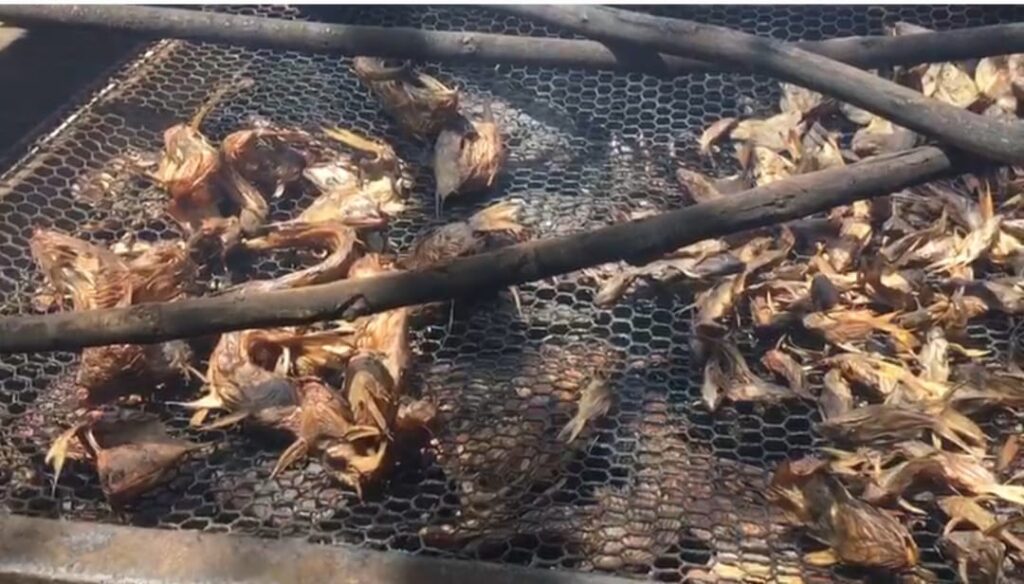
Some of the fisherfolk are now turning to farming to survive. Gladys Yaachu said she is abandoning fishing this year because of the low catch and will instead farm groundnuts.
“Because of the low catch, I am not fishing this year. You see, I am threshing groundnuts. I am trying farming this year,” she said.
Ms. Baidoo said Ghana’s national policies and fishery-specific regulations are aimed at protecting the country’s waters but stressed the need for strict enforcement.
“They need to respect these policies, take the closed season, for instance. It’s meant to ensure that at least a species breeds once or twice before they’re caught, allowing them to replenish and restock the ecosystem. If fishermen don’t respect these policies, we won’t achieve our objective,” she said.
*****
This report is brought to you by JoyNews in partnership with CDKN Ghana, Centre for Climate Change Sustainability Studies, with funding from CLARE R4I Opportunities Fund.
Latest Stories
-
GhIG pushes for legislation to regulate geoscientists’ activities
43 seconds -
Mfantsipim @150: Ace Anan Ankomah leads project to preserve school’s musical heritage
5 minutes -
Gov’t launches rCOMSDEP in Ahanta West, Mpohor Fiase to promote responsible community mining
6 minutes -
AI is forcing professionals to rethink how they deliver value – Hubtel CEO
9 minutes -
Daily Insight for CEOs: Strengthening the CEO’s Leadership Legacy
10 minutes -
Jimmy Aglah’s ‘When the River Testified’ approved by NaCCA as Supplementary Reader
19 minutes -
Hubtel willing to contribute to Ghana’s proposed AI fund – CEO
23 minutes -
Nkrumah family pays tribute to Gamal, says he died after prolonged illness
33 minutes -
Police arrest eight suspects in anti-narcotics operation at Okaishie Drug Lane
44 minutes -
Former Krowor chairman pledges grassroots empowerment in NDC regional chairmanship bid
46 minutes -
GES recommends reposting of Obuasi SHTS headmaster after August 2026 campus riot
49 minutes -
Rocky Dawuni celebrates King Ayisoba for taking traditional music global
1 hour -
Ghana targets $5bn in annual economic gains from AI – Sam George
1 hour -
From childhood dreams to future careers: Ecobank’s Big Pitch seeks to promote early savings and investment
1 hour -
Public office demands make party work difficult for NDC appointees – Mahdi Gibril
1 hour