

Audio By Carbonatix
Some manufacturing firms in Ghana have started downsizing their businesses, whiles others are also laying off some workers due to the high cost of doing business in Ghana.
This has been compounded by the rising utility tariffs and high tax levels for most firms operating in the country.
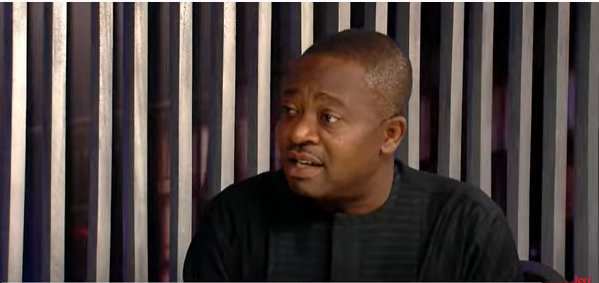
The Chief Executive Officer of the Association of Ghana Industries (AGI) Seth Twum Akwaboah disclosed this on PM Express Business Edition on the Joy News Channel on February 9, 2022 with host, George Wiafe.
He is of the view that it is time for government to review its tax and utility tariff regime.
“There is a lot of pressure on some of the firms by their foreign shareholders to even shutdown their operations”, said.
Mr. Akwaboah rejected suggestions that companies facing challenges have not been innovative to remain competitive.
He cited for example that it is less expensive to operate similar businesses in other countries in West Africa.
Capital and credit extension concerns for industry
Mr. Akwaboah expressed worry that the current challenges with access to credit could worsen in the year.
He warned that the Domestic Debt Exchange Programme could impact capital and liquidity of the commercial banks in the country.
Mr. Akwaboah was however hopeful that the Financial Stability Fund that the Bank of Ghana plans to established could cushion financial institutions.
“It may help address the concerns and fears of the industry about the challenge with access to credit and issue about the cost of credit in the country”.
He added that manufacturers could also be impacted if special attention is not directed at players in that area.
Government’s Intervention
Making some recommendations, Mr. Akwaboah appealed to government to do more to protect local industries.
“We can look at the regulatory regime for industries and how the required policies can be instituted to aid their growth in the country”, he suggested.
Mr. Akwaboh stated that it is not right for industries to pay more for utility tariffs, when in some countries tariffs are subsidized for industries.
“We just cannot leave our industries alone in these challenging times, they must be given the needed support”.
Latest Stories
-
Today’s front pages: Wednesday, September 23, 2026
27 minutes -
Ghanaian pastor, Rev Emmanuel Boakye-Danquah on the run over alleged counterfeit currency syndicate
35 minutes -
Give Teshie Desalination to Kasapreko or Accra Brewery
42 minutes -
Absa Bank Ghana and IFC announce $50m facility to expand cocoa financing
50 minutes -
Ghana’s economic revival: Turning financial stability into economic prosperity
1 hour -
AFCON 2027Q: Black Stars to depart Accra for Bouaké ahead of Ivory Coast clash
1 hour -
Who to allow into your home, who should come into your cyberspace? Trust is becoming unbecoming
1 hour -
At least 11 dead in mass shooting at house party in South Africa
2 hours -
MoMo Fintech Lab attracts close to 1K entries from innovators across, applications end on Sept 30
2 hours -
Black Stars face Ivorian test as injuries force major squad changes
2 hours -
Save Nations Foundation donates learning materials to Nooria Islamic Basic School, calls for more support
2 hours -
From selling food to solving problems: How Esther Owusu Nkwantabisah rethought entrepreneurship
2 hours -
Explained: Ghana’s water plant deal that produced a $235m judgment debt instead of water for 500,000 people
3 hours -
High Cost of Domestic Airline Fares: Can government do something about it?
3 hours -
Inflation, cedi depreciation put BoG’s MPC under pressure as policy rate decision looms
3 hours