

Audio By Carbonatix
Capital gains tax could be increased to help pay back the billions of pounds borrowed to support the economy during the COVID-19 pandemic.
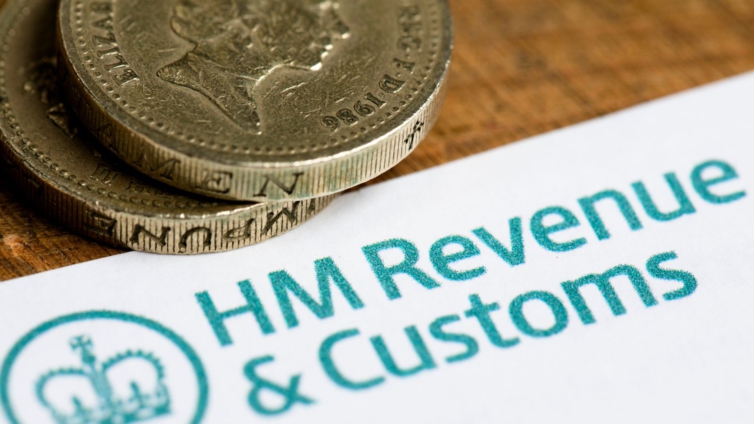
A report commissioned by Chancellor Rishi Sunak has said that the Treasury could raise £14bn by increasing capital gains tax rates to bring them in line with income tax.
Capital gains tax is applied on profits from the sale or disposal of shares and other property, such as a second home, with an annual allowance of £12,300.
The Office of Tax Simplification (OTS) report recommended the government should consider reducing the £12,300 allowance to between £2,000 and £4,000.
But doing this and doubling the rates (currently 10% for basic-rate taxpayers and 20% for higher-rate taxpayers) could encourage people to change their financial behaviour, the report said.
Bill Dodwell, tax director at the OTS, said: "If the government considers the simplification priority is to reduce distortions to behaviour, it should consider either more closely aligning capital gains tax rates with income tax rates, or addressing boundary issues as between capital gains tax and income tax."
Only 0.5% of the population paid capital gains tax in 2017-18. Some 265,000 people gave £8.3bn to the Treasury, while 60%, (31.2 million people), paid £180bn in income tax.
The national debt passed £2trn for the first time in July, as the economy buckled under the effects of the coronavirus pandemic and the cost of supporting businesses and workers.
At the time, Mr Sunak warned "difficult decisions" would need to be taken.
The review was commissioned in July but the Treasury does not have to follow the recommendations.
It comes after another report suggested that people earning more than £19,500 a year should pay more in income tax to help boost public finances.
The Resolution Foundation recommended a "health and social care levy" - a 4% tax on all incomes over £12,500 - which would be offset by a 3% cut to employee national insurance and the abolition of Class 2 National Insurance contributions for the self-employed.
It said the shift would not penalise those worst-hit by the virus crisis restrictions - the low-paid and self-employed - but would raise £17bn annually. It was suggested £6bn of that sum should go to social care.
Latest Stories
-
Parliament questions proliferation of unapproved containers in East Legon
27 minutes -
Promotion arrears alone cannot end teachers’ strike — PRETAG
33 minutes -
Ebi Bright alleges assault on driver in dispute with Tema Central MP
39 minutes -
GH¢35m Darkuman 24-hour market to be completed in 16 months — MCE
46 minutes -
NPP risks losing Karaga seat if Amin Adam doesn’t contest – John Boadu
50 minutes -
Ghana Reference Rate falls to 10.04% in October as borrowing costs ease
52 minutes -
53% of NPP delegates backed alternatives to John Boadu in chairmanship race – Mussa Dankwah
55 minutes -
High taxes, water shortages push up hotel operating costs — Hotels Association
56 minutes -
Catholic Bishops demand tougher action on tramadol, marijuana and other drugs
60 minutes -
Government positioning Banda District to become major tourism destination hub – Housing Minister
1 hour -
Deputy Education Minister appeals to striking teachers to return to classrooms
1 hour -
Government to involve corporate Ghana in street maintenance – Ayariga
1 hour -
No contractor is untouchable because of political links — Agbodza
1 hour -
Contractors to resume work on Phase Two of Kejetia Market Project
1 hour -
Government committed to resolving teachers’ concerns - Vice President
1 hour