

Audio By Carbonatix
Ghana has chalked another grim milestone as far as the Covid-19 virus is concerned.
The country, according to experts, is experiencing its fourth wave of the pandemic since it broke out in the country in March 2020.
This time, the transmission is being actively driven by the new Omicron variant.
Figures from December 22 showed that the nation's infections reached a record high of 1,320 cases in one day.
Fresh data from Christmas eve indicate that some 1,264 persons contracted the virus, with 8,554 cases currently active out of the cumulative 140,221 confirmed so far.
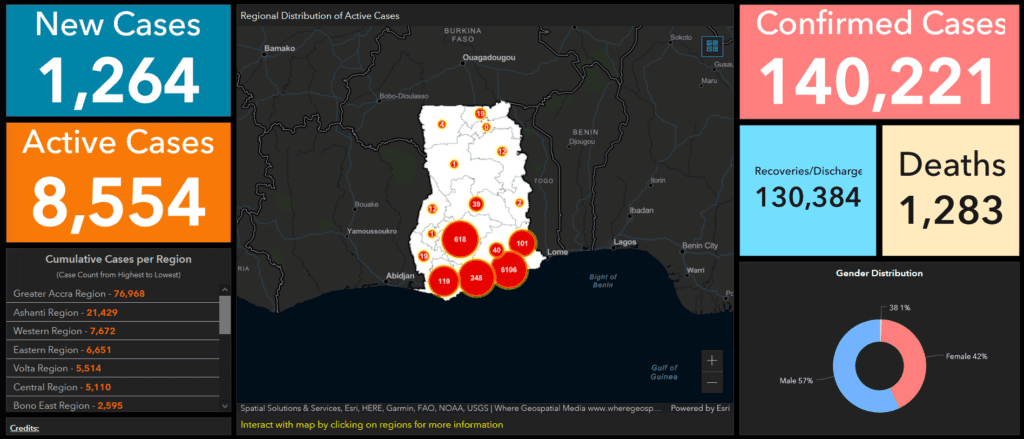
The death toll currently stands at 1,283.
According to the Director of Public Health at the Ghana Health Service, Dr Franklin Asiedu Bekoe, the recent developments are testament to the need for citizens to adhere to health protocols to reduce the spread.
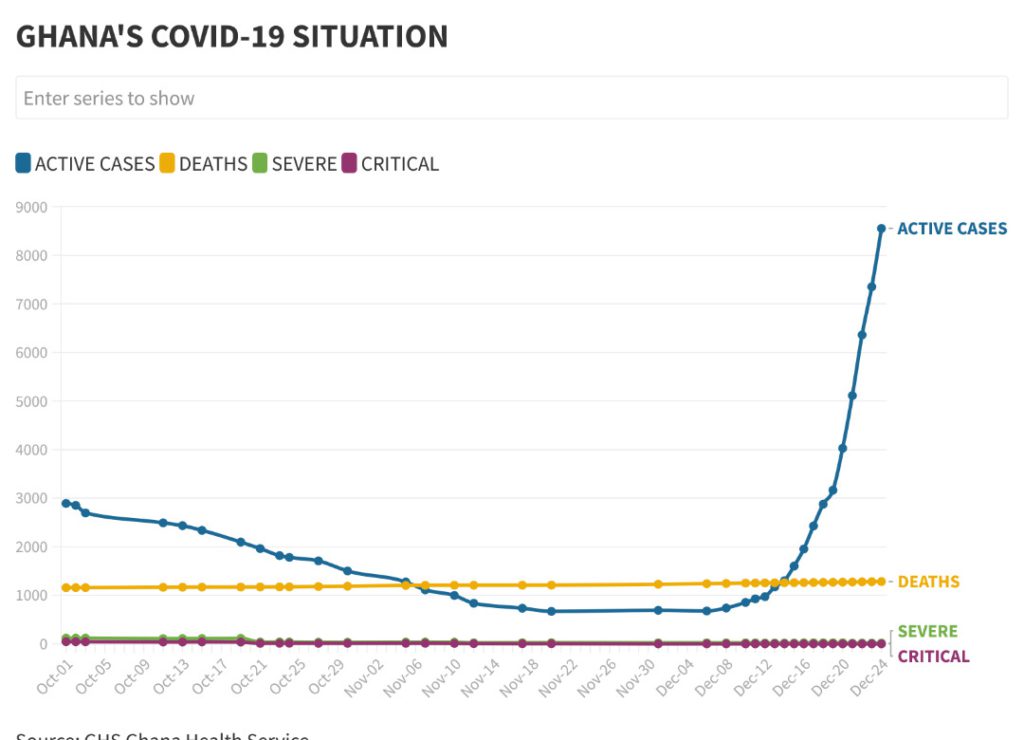
"Clearly, you can see that there is a torrential rise in cases, so if in terms of nomenclature, then we are in it. I mean, if you look at the shape of the curve, we are now a different shape than we had two or three weeks ago," he told JoyNews.
Dr Bekoe is confident that the vaccination campaign being rolled out in the country will help lessen the impact of the Covid-19 virus.
Experts have attributed the hike in numbers to the increase in activities amid the festive season and the highly transmissible nature of the new strain.
Virologist with the Kumasi Centre for Collaborative Research in Tropical Medicine (KCCR), Dr Michael Owusu, believes that Ghana's situation could have been worse but for the milder nature of the new Omicron variant.
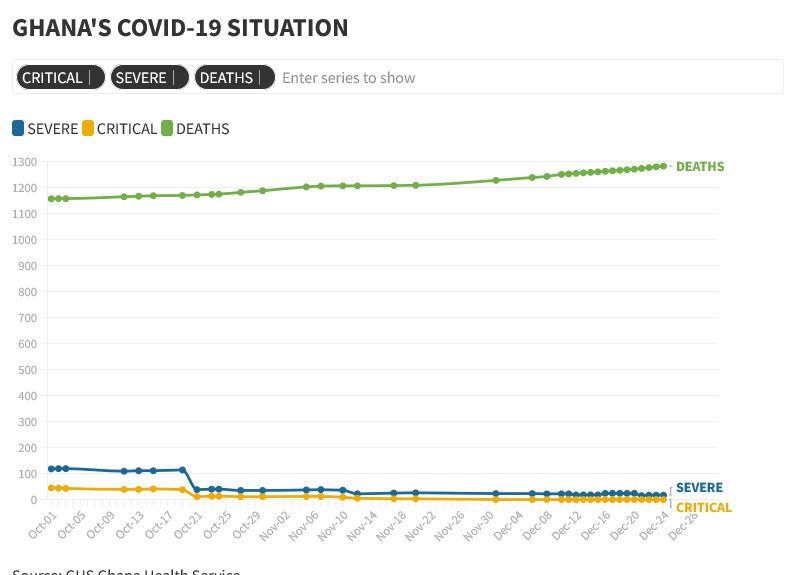
Meanwhile, public health expert Nana Kofi Quakyi is warning that health systems will be stretched beyond their current capacity if much is not done to curtail the spread.
Despite the less destructive nature of the variant compared to the Delta strain, Nana foresees that "If you have large numbers of people infected, that small percentage could translate into a big number."
"And if you have a healthcare system that has limited capacity to care for critical and severe cases, then you can see how once you hit that saturation point, people needing care beyond that may not be able to find it," he added.
Latest Stories
-
GPL 2025/26: Dreams FC stage stunning comeback to hammer Eleven Wonders
1 hour -
Livestream: The Probe examines Kumasi’s looming water crisis
1 hour -
MTN Ghana gears up to lead Africa’s AI revolution
1 hour -
Philanthropist Alhaji FuZak donates Da’wah bus to Ambariya Sunni community
1 hour -
GUTA calls for suspension of Publican AI system over trade disruptions
1 hour -
TTAG raises alarm over proposed recruitment of 7,000 teachers, demands national posting roadmap
2 hours -
Civilians feared killed after reports of air strike on Nigerian market
2 hours -
Bishop Simon Kofi Appiah installed as new Jasikan Diocese Bishop
2 hours -
Trump’s Strait of Hormuz blockade threat raises risks and leaves predicaments unchanged
2 hours -
US Court backs extradition of former MASLOC CEO Sedina Tamakloe-Attionu to Ghana
3 hours -
Seven arrested as NAIMOS dismantles illegal mining camp, seizes firearms at Boin River
3 hours -
Fire erupts at Madina Ritz Junction, destroys multiple wooden structures and containers
3 hours -
Daniel-Kofi Kyereh returns from long-term injury, registers assist for Freiburg U23
3 hours -
Knifeman calling himself ‘Lucifer’ slashes three at NYC’s Grand Central
3 hours -
Brands are built from within to without
3 hours