

Audio By Carbonatix
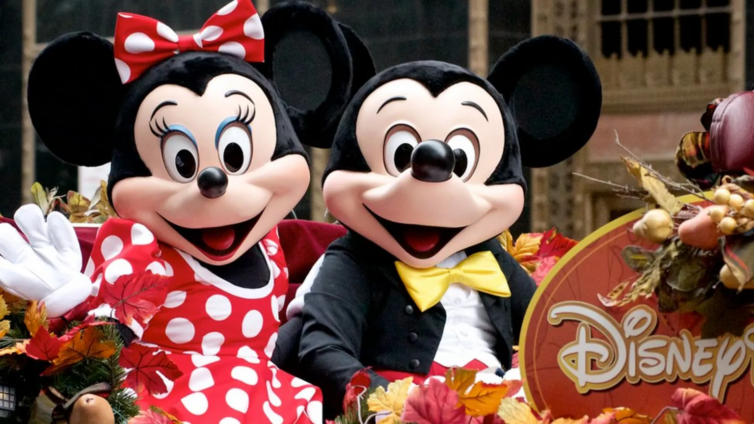
It was the animation that launched the House of Mouse.
Steamboat Willie, a 1928 short film featuring early non-speaking versions of Mickey and Minnie, is widely seen as the moment that transformed Disney's fortunes and made cinema history.
Their images are now available to the public in the US after Disney's copyright expired.
It means creatives like cartoonists can now rework and use the earliest versions of Mickey and Minnie.
In fact, anyone can use those versions without permission or cost.
But Disney warned that more modern versions of Mickey are still covered by copyright.
"We will, of course, continue to protect our rights in the more modern versions of Mickey Mouse and other works that remain subject to copyright," the company said.
US copyright law says the rights to characters can be held for 95 years, which means the characters in Steamboat Willie entered the public domain on Monday, 1 January 2024.
Those works can now legally be shared, performed, reused, repurposed or sampled.
The early versions of Mickey and Minnie are just two of the works entering the public domain in the US on New Year's Day.
Other famous films, books, music and characters from 1928 are now also available to the American public.
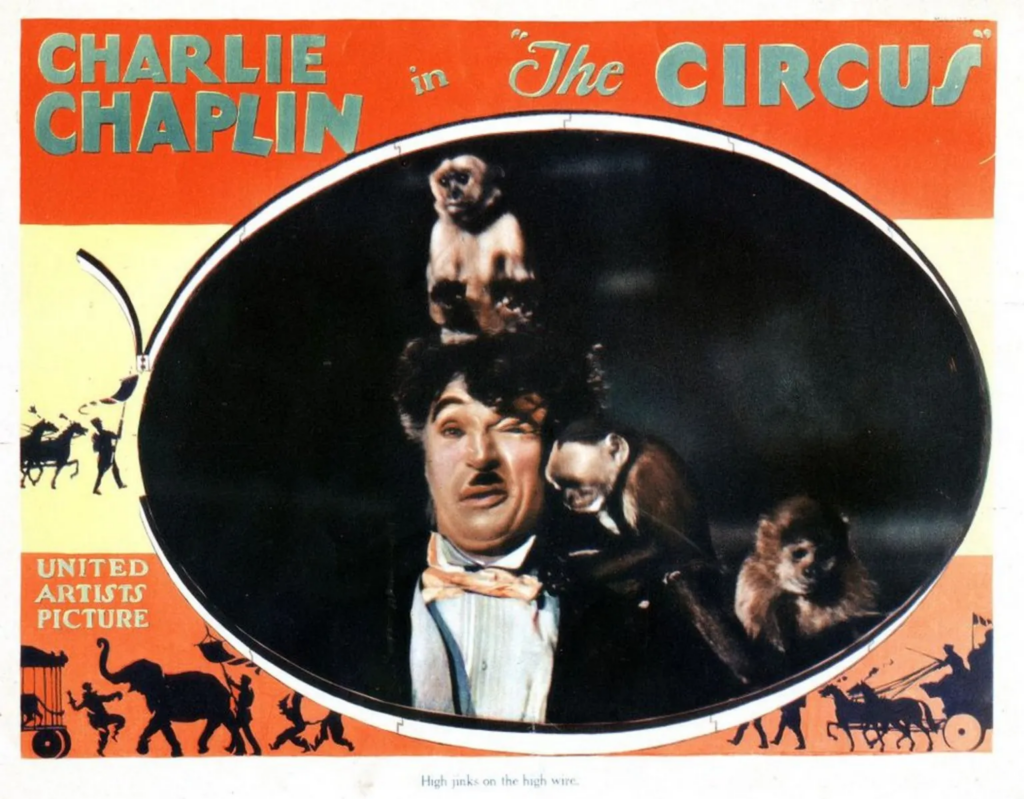
They include Charlie Chaplin's silent romantic comedy The Circus; English author AA Milne's book The House at Pooh Corner, which introduced the character Tigger; Virginia Woolf's Orlando; and DH Lawrence's Lady Chatterley's Lover.
The UK has its own copyright rules and different expiration dates.
Disney has faced losing the copyright over its original cartoons several times in the past.
The characters were first expected to go into the public domain in 1984, but Congress extended the term by 20 years.
Before the next expiry date came up in 2004, another 20-year extension was passed.
'Deeply symbolic'
Disney's efforts to protect its characters have even led to the law being dubbed "the Mickey Mouse Protection Act". But the moment has finally come.
Jennifer Jenkins, director of the Duke Centre for the Study of the Public Domain, told the BBC it was a "deeply symbolic and long awaited" milestone.
"What that means for us is that as of 2024, anyone will be free to copy, share and build upon those original cartoons from 1928 and the characters within them," she said.
Jenkins said the moment was particularly significant because of Disney's "perceived role" in the extension of the copyright term, which prevented its properties from going into the public domain for so long.
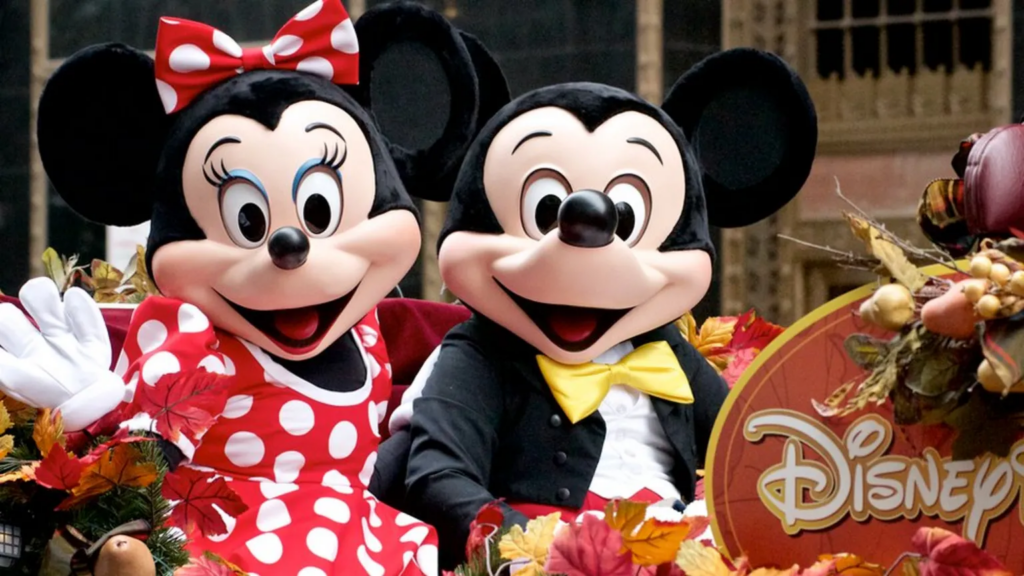
Disney still separately holds a trademark on Mickey as a brand identifier and a corporate mascot. That means there are still limits on how the public can use these images, Jenkins said.
"What I cannot do is start making merchandise and the same kinds of products that Disney sells," she said.
"So if I'm selling T-shirts with Mickey and Minnie on them, and someone seeing those T-shirts thinks erroneously that they're getting a Disney product when they're not, that's what trademark stops."
So any use of Mickey Mouse that gives the impression he belongs to a brand other than Disney would still be a trademark issue.
Jack Kendall, a 32-year-old digital content creator from Warwickshire who runs a YouTube channel for Disney news explainers, believes someone may try to give Mickey and Minnie the horror movie treatment.
He likened it to when Winnie the Pooh entered the public domain and was turned into the R-rated horror film Blood and Honey, which was one of this year's worst-rated films.
Kendall, who has more than 168,000 subscribers to his DSNY Newscast channel, believes Disney would want to avoid any further legal fights given that the firm has become "a political lightning rod in pop culture".
"But they also want to protect their two most identifiable characters," he told the BBC.
He believes Disney's active use of the trademarked versions in Steamboat Willie merchandise, new animated shorts, and even a studios theatrical logo, is "Disney's way of safeguarding the characters if they want to go the legal route in any egregious use of the characters".
A Disney spokesperson said that ever since Mickey Mouse's first appearance in 1928, people have associated the character with the company.
"That will not change when the copyright in the Steamboat Willie film expires," they said.
"More modern versions of Mickey will remain unaffected by the expiration of the Steamboat Willie copyright, and Mickey will continue to play a leading role as a global ambassador for the Walt Disney Company in our storytelling, theme park attractions, and merchandise."
The company added that it would "work to safeguard against consumer confusion caused by unauthorised uses of Mickey and our other iconic characters".
Latest Stories
-
Nearly 400 sentenced in Nigeria for links to militant Islamists
19 minutes -
Ghana’s recovery supported by gold strength despite global oil price pressures – Standard Bank Research
26 minutes -
Kwaku Azar writes: A-G vs OSP
59 minutes -
Mfantsipim–Adisadel rivalry built excellence, not division – Sam Jonah
1 hour -
Vice President launches Mfantsipim’s 150 years of shaping Ghana’s greatest mind
2 hours -
I assure Otumfuo, Mahama will join him to commission KNUST Teaching Hospital by end of this year – Haruna Iddrisu
2 hours -
Barcelona dominate derby to extend La Liga lead
3 hours -
Gov’t to roll out free special education for persons with disabilities from July 1 – Education Minister
3 hours -
Importers and Exporters Association declares full support for Publican AI port system
3 hours -
“We used it to test our officiating officials’ readiness” – Bawah Fuseini after CAA Athletics event
3 hours -
Volleyball emerges as Ghana’s fastest rising sport
3 hours -
National Sports Fund needs strong leadership from the top – Administrator David Wuaku
4 hours -
JoySports Exclusive: Steve McLaren in talks with GFA after expressing interest in Black Stars job
4 hours -
Fire guts auto parts warehouse at Bubuashie, one fire officer injured
4 hours -
I owe my victory to coach Ofori Asare – Allotey after winning WBA Africa Gold Super Flyweight belt
4 hours