

Audio By Carbonatix
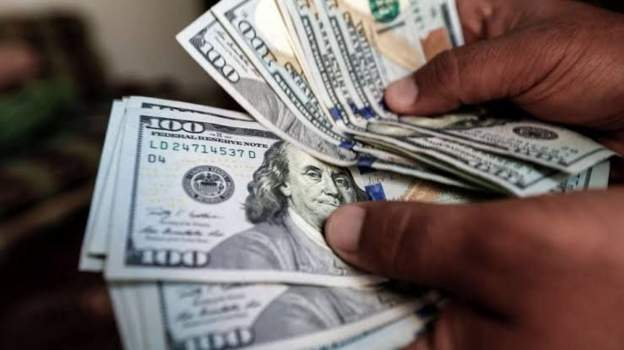
Despite recent gains by the cedi, the persistent dollarisation of Ghana’s economy is fast becoming a critical challenge.
Businesses continue to price goods and services in dollars, from luxury real estate and tuition to retail and hospitality, even though transactions happen entirely within Ghana.
The Bank of Ghana (BoG) has raised the alarm.
BoG Governor Dr. Johnson Asiama has warned that this growing preference for the US dollar over the cedi erodes public trust, undermines Ghana’s legal tender laws, and threatens the country’s macroeconomic stability.
It weakens the cedi’s role as legal tender, reduces BoG’s control over inflation and interest rates. If people don’t transact in cedis, central bank tools lose power.
It corrodes long-term confidence. When citizens begin to see the cedi as “secondary,” the psychological shift is hard to reverse.
Dr. Asiama has also announced BoG’s intention to step up enforcement against dollar pricing and finalize a regulatory framework for Virtual Asset Service Providers (VASPs).
The rollout of Ghana’s eCedi is also expected to reinforce cedi-based transactions.
Dollarisation is not just an economic issue, it’s also a legal one.
Ghana’s laws are clear: the cedi is the only legal tender, and dollar pricing for domestic transactions is legally impermissible.
Yet, enforcement is almost nonexistent.
Luxury apartment leases, school fees, and even some high-end retail products are still routinely priced in dollars without consequence.
This lack of enforcement sends the wrong signal: that laws around currency use are optional.
Legal crackdowns, however, won’t succeed without tackling the deep behavioral drivers of dollarisation.
Ghanaians, especially businesses, don’t just chase the dollar for convenience, they chase it out of fear, experience, and habit.
Many remember past periods when the cedi collapsed and holding dollars has become a psychological hedge, a form of insurance.
Many citizens and businesses don’t trust the cedi, but they also don’t understand what government is doing to change that. Even in good times, businesses assume the cedi will eventually slip again, so they default to the dollar.
This “fear-driven dollar habit” is deeply ingrained. It will take more than laws or central bank speeches to fix it.
It will require a long-term shift in confidence, anchored in consistent performance, and a clear break from past instability.
At the core of all this is still the issue of economic competitiveness. Ghana won’t solve dollarisation or maintain cedi strength without addressing the real economy issues that distort currency demand.
To sustainably strengthen the cedi, Ghana must boost competitiveness and improve the trade balance; focus on value-added exports and import substitution in strategic way.
Dollarisation isn’t just a bad habit, it’s a symptom of deeper weaknesses: policy inconsistency, weak public trust, poor enforcement, and low competitiveness.
Trying to eliminate dollarisation without fixing these will only lead to more informal market activity and financial distortions.
Dollarisation won’t end through policing or patriotic appeals alone. It will end when people believe in the cedi again, because the economy makes sense, the rules are fair, and the long-term signals align with the promises.
Latest Stories
-
Sports Ministry denies involvement in World Cup visa scandal, calls for probe
26 minutes -
Ghana earns top US ranking in fight against human trafficking
32 minutes -
Education Minister commends teacher unions for suspending nationwide strike
39 minutes -
‘Farmers Services Centres to be game changer for Ghana’s agriculture’ – Mahama
45 minutes -
WIWIK launches new leadership development pathway for Ghanaian university students
50 minutes -
Public basic schools resume today after strike suspension
57 minutes -
Environment Minister calls for transparency in Ghana’s GMO adoption
1 hour -
Ghana risks 10% to 100% tariffs on exports to US under Trump’s threats as it moves to join BRICS
1 hour -
GoldBod pumps US$255m into banks as festive dollar demand rises
2 hours -
Ato Forson leads Ghana’s push for investment at IMF–World Bank meetings
2 hours -
US Justice Department investigates TV networks over Trump pool coverage
2 hours -
PM says it is ‘clear’ Russia interfered with Brexit vote
2 hours -
Stanbic Bank launches ‘Be Powered’ campaign to drive Ghana’s green future
2 hours -
US imposes sanctions on ICC hours after former judge wins Nobel Peace Prize
3 hours -
South Africa withdraws asylum directive after anti-migrant violence
3 hours