

Audio By Carbonatix
Friends have been asking my opinion of current affairs. Here are my thoughts:
Could we?
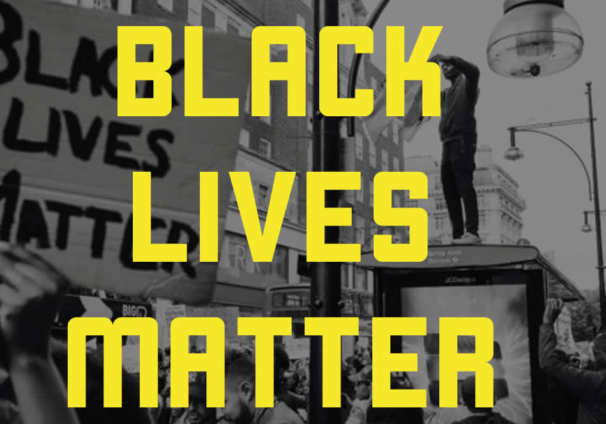
Recent events have caused many to reflect on being black and living in America; well, and other parts of the world. Introspection is sometimes scary; but necessary if true change is to be effected in any situation. It is becoming fashionable for mega organizations to issue statements such as, “we have reflected on our past and realized that we were wrong. We are making every effort to make changes that would reflect who we are as a people.” Who are we? Who is the American?
I write this as an Immigrant of African Descent (IAD). I was born and raised in Ghana, West Africa. I react to questions like, “you have an accent, where are you from?” What does it really mean to say that a person has an accent? That, no one has yet explained to me.
Before you discard this as the rumblings of an irascible black woman with a chip on her shoulder, take a step back and try, no matter how minuscule, to see things from a different perspective – from underneath the table, the bottom of the ladder, the last desk in the far corner of the classroom, the kitchen sink, the cold or hot tar of the street when pinned down by a brutal force, a position so frightening that you wonder if you could ever make it someday.
Listening to BBC News a few days ago, Dr. Ankhi Mukherjee posed a question that set me thinking. She asked if there was a collective guilt due to the fact that what could have been changed in the past had been overlooked, which has now caused this tsunami of “I am sorry” tales.
Could society have staved off these global protests? Could past leaders have governed differently in order to do away with the endemic culture of put downs that people of color have suffered? Could organizations have established rules of conduct that uplifted every culture? Could church leaders have been more Christ-centered in their message and way of life? Could the Gospel take a more meaningful place in the cultural context? Could we truly seek reparation for unjust situations? Could we…could we…?
Would we?
The greater question now is would we move beyond mere apology? Would we admit to the existence of systemic racism? Would leaders come to terms with institutional racism and unravel the knotted bows that are strung around our necks?
Would CEOs look hard and square (or round) in the mirror and face the daunting task of making realistic changes where needed? Would churches, or places of worship admit that they too have knowingly and unknowingly perpetuated the culture of racism? Would co-workers desist from reporting minorities behind their backs so they can gain favors?
Would we redesign curricula to reflect how people of diverse races learn? Would we as a society see ourselves in the other? Would we continue to deal with issues by placing Band-Aid on bullet wounds? Would we desist from blackballing people when they speak up? Or, would these end up being simply dialogues that began and ended with no plausible positive actions? Would we keep burying our heads in the sand? Would we…would we?
Must we?
Must we be conciliatory? Why must we? Why mustn’t we? Must racial disparity in workplaces be addressed? Must history be rewritten? What has been taught for generations that subjugates one, and makes the other superior?
Must curricula be revised? Are people seeking to rewrite history? What part of history must we rewrite? Oh! Rewrite history? Must we? Which stories must we share with those who would come after us? Must we tell the truth, the whole truth and nothing but the truth? What is the truth? Must we? Can we? What legacy must we leave behind for our children?
It has been said that a mistake that makes one humble is better than an achievement that makes one arrogant. We have the opportunity to right the wrongs of the past. Could we? Would we? Must we?
***
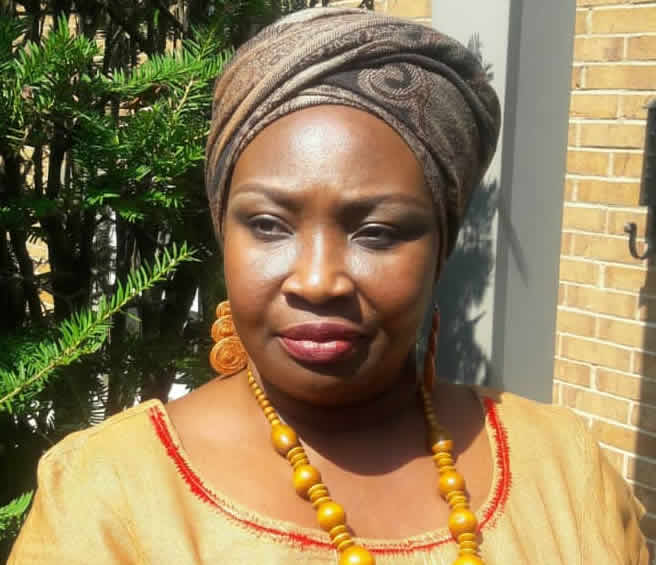
About author: Dr. Dorothy Mensah-Aggrey was born and raised Catholic in Ghana, West-Africa; but appropriated the faith for herself while studying Music and Education in college. She earned a B. Mus. (with English Minor) and a Dip. Ed. simultaneously from the University of Cape Coast, Ghana and launched her teaching career in 1985. She taught Music, Dance and English at St. Augustine’s Catholic Boys College in Cape Coast; then moved to the US for her master's in Theology, and subsequently her doctorate in Education. She brings over 35 years of experience in teaching, administration, professional and curriculum development to her current role as Curriculum Design Specialist at the Institute for Pastoral Initiatives (IPI), University of Dayton (UD).
Latest Stories
-
AFCON 2027Q: ‘The last time Ghana won was eight games ago’ – Carlos Queiroz
11 minutes -
AFCON 2027Q: Gambia defeat doesn’t make me a loser – Carlos Queiroz
15 minutes -
2027 AFCONQ: Late goals seal 2-0 for Côte d’Ivoire against Somalia
26 minutes -
AFCON 2027Q: My resignation won’t solve Ghana football issues – Queiroz
31 minutes -
Morocco call off Ghana friendly after Black Stars’ AFCON setback
37 minutes -
‘We have to say sorry’ – Queiroz apologises after Ghana’s humiliating defeat to Gambia
44 minutes -
New Yorker identified as Yaw Boahene, 57, killed after bag was caught in subway train doors
50 minutes -
Former American Idol contestant and pastor found guilty of murdering wife
1 hour -
Trump rules out joint US-China venture to develop AI
1 hour -
‘Beating Ghana did not surprise me’ – Gambia boss
1 hour -
OpenAI agents get rebrand – as ‘dots’ – while safety worries delay new model
2 hours -
US ban on Canadian alcohol and dairy takes effect as trade war drags on
2 hours -
Baffour Awuah’s EOCO case reopens Equity Savings & Loans file as SIC recovery battle emerges
2 hours -
Ghana ranked 5th source of cocaine seized at Antwerp, Belgium in 2025
2 hours -
‘We knew there was disruption’ – Gambia boss claims Ghana players clashed at half-time
2 hours