

Audio By Carbonatix
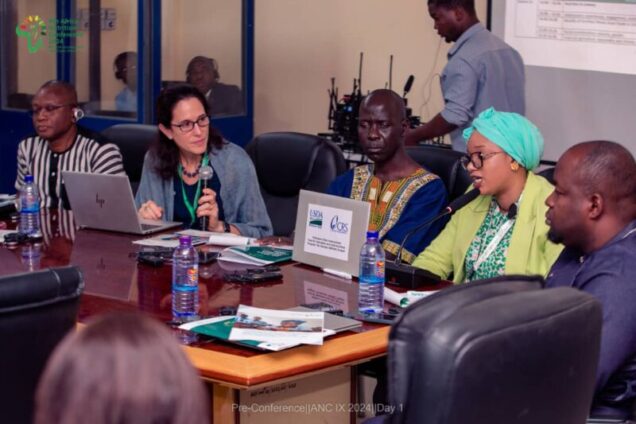
In a significant stride towards improving School Health and Nutrition (SHN) across Africa, a Regional Workshop held on October 5-6, 2024, brought together key stakeholders, including nutritionists, educators, and policymakers.
The workshop was hosted by the African Nutrition Society (ANS) in collaboration with the International Collaboration in relation to Cancer (ICONIC), International Malnutrition Taskforce (IMTF), Catholic Relief Services (CRS), School Health and Nutrition Special Interest Group of Nutrition Society (SHN-SIG, NutSoc, UK), and The Global Consortium for School Health and Nutrition (GRCSHN).
This collaboration underscored organizations' commitment to advancing SHN across the continent. CRS, as the main sponsor, played a pivotal role in ensuring the success of the workshop, with their Regional Director for West Africa Mrs. Jennifer Overton, and Regional Technical Advisor for Health and Nutrition, Dr. Mawuli Sablah, present to share various interventions they have implemented across the continent.
The workshop aimed to address pressing challenges in SHN, a critical concern since discussions were first initiated by the ANS in 2018. The agenda included:
Reviewing Progress: Analyzing the current status of school nutrition programs across Africa and sharing success stories.
Identifying Challenges: Discussing obstacles that hinder effective implementation and strategies to overcome them.
Formulating Policy Recommendations: Crafting actionable guidelines to enhance SHN initiatives at national and regional levels.

Key Insights and Benefits of Integrated School Nutrition Programmes
One of the central topics of the workshop was the importance of integrating nutrition into school programs. Key benefits discussed included:
Improved Attendance: Nutritional support has been linked to higher school attendance rates, ensuring that more children can participate in their education.
Nutritional Literacy: By incorporating nutrition education into the curriculum, schools can promote healthy eating habits among students, laying the foundation for lifelong health.
WASH Integration: Emphasizing the role of Water, Sanitation, and Hygiene (WASH) practices in schools is crucial for reducing absenteeism, particularly among adolescent girls facing menstrual hygiene challenges.
Home-Based Meal Initiatives: Community-supported meal programs can alleviate food insecurity and strengthen local economies.
National Experiences: Lessons from African Countries
Participants from various African nations shared their experiences, providing valuable insights into successful SHN strategies. Notable examples included:
Kenya: The country has allocated a budget line for school feeding programs, showcasing governmental commitment and fostering sustainability.
Ghana: Research highlighted challenges such as inadequate WASH facilities and low consumption of vegetables. Community-based approaches were emphasized as vital to addressing these issues effectively.

Future Directions: A Call for Collaboration: way ahead, chaired by Professor Alan Jackson, CBE, ICONIC & IMTF.
As the workshop drew to a close, Professor Jackson recalled lessons learned from his personal experience of applying research to the treatment of severe malnutrition that culminated in case fatality rates falling by an order of magnitude, to less than 5% and that led to the WHO Treatment Manual. For him, the key lessons were: to do simple things well and to listen to frontline staff. Nutritionists in SHN have a desire and duty to help. That they are needed has been well-known and accepted for years.
Participants called for enhanced collaboration among stakeholders to strengthen SHN initiatives. Key takeaways for the future included the establishment of a Multi-Sectoral Committee: A new committee will be formed to develop a comprehensive action plan by the end of 2025, ensuring that nutrition remains a priority in educational policies. Increased Engagement of Nutritionists: Stakeholders urged more nutritionists to engage actively in school health initiatives, as their expertise is crucial for driving meaningful change.
The challenge is to turn a need into a demand. Having listened to presentations about the work of agencies and NGOs, the extent to which there is harmonisation in their approaches is unclear. Modou Phall from Gambia called for SHN to be well integrated into national food and nutrition policy planning and for nutritionists to use the language of value for money as well as extolling health benefits. WFP engages with national governments as individual cases. Instead of focusing on School Nutrition Officers (SHNOs), upskill the workers who already exist. National Frameworks are necessary, and we should consult more.
The Nigerian Minister for Reconstruction and Economic Planning proclaimed the need for more sustained efforts to advocate for nutrition at all levels. There should be a call for bids in 2025, and for nutrition to be properly resourced. For nutrition to succeed, ambitious nutritionists should aim to be appointed to roles where they can move the levers of power in ministries of government. Another speaker said there were gaps in data and evidence that more applied research should fill.
After a lively discussion, Professor Jackson summed up by saying that it was agreed to take the next steps. In the first instance, the proceedings had been recorded in full, including those delivered in French. Professor Jackson promised that the ad hoc group would complete a full report by the end of 2024. This report will include the justification for a multi-sectoral planning committee to be established to develop an action plan, by the end of 2025. These documents will be shared with attendees and all other interested parties.
Financial and Technical support came from the University of Health and Allied Sciences (UHAS), the UN Food and Agriculture Organisation (FAO), the International Atomic Energy Agency (IAEA), the World Food Programme (WFP), Global Alliance for Improved Nutrition (GAIN), Swiss Foundation, Bayer Foundation, University of Cape Coast (UCC), University of Ghana (UG), Kwame Nkrumah University of Science and Technology (KNUST), University of Environment and Sustainable Development (UESD), African Union (AU), University of Southampton (UoS), Scaling-Up Nutrition (SUN), University of Sheffield (UoShef).
Latest Stories
-
Chef Abbys: Feeding 50,000 people, putting food security on Ghana’s agenda
5 minutes -
Ho set to host Republic Bank–JoyNews Habitat Fair as multiple firms prepare to showcase housing solutions
12 minutes -
NPP demands public inquiry into alleged $600,000 World Cup visa fraud, wants Sports Minister, GTA CEO summoned
19 minutes -
I want my brand to be bigger than just music – Yaw Wazinga
23 minutes -
Houthi missile attack on Yemeni presidential palace kills two, minister says
23 minutes -
I hoped to win an award; I worked hard – 2026 Best Graduating Law Student
33 minutes -
Fraudsters increasingly target bank customers instead of banking systems – Fraud detection expert
34 minutes -
44 teacher sexual abuse cases tracked since 2015; school heads feature in 40% of recent cases — JoyNews Research
37 minutes -
Unchecked imports and the Middle East crisis threaten Ghana’s fragile food inflation anchor
55 minutes -
Ecobank Junior Saver Big Pitch to reward 10 winners with GH¢2,000 each
60 minutes -
AMA demolishes unauthorised pigsty obstructing Agbogbloshie waste evacuation exercise
60 minutes -
I was filled with disbelief – Akosua Achia Sarpong Esq. shares her first reaction
1 hour -
Snake Village: A look at Volta Region’s hidden snake village and its tourism potential (Video)
1 hour -
Election Watch Ghana calls for constitutional reforms to strengthen Electoral Commission independence
1 hour -
NACOC, Postal and Courier Services Regulatory Commission intensify efforts to curb drug trafficking
1 hour