

Audio By Carbonatix
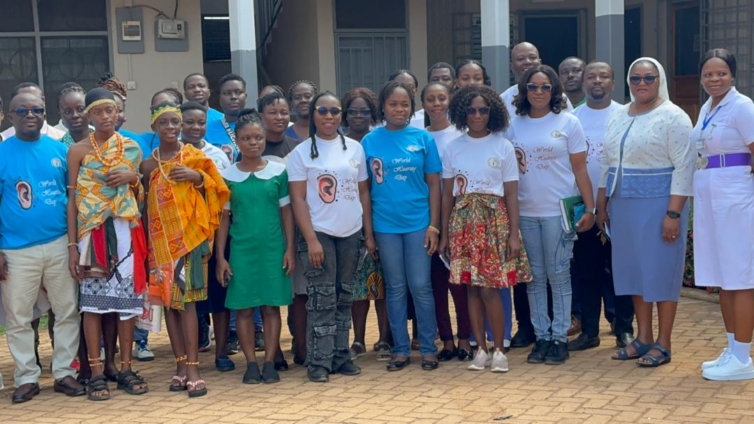
The Ear, Nose and Throat (ENT) Nurses Society’s Ahafo and Bono Chapter, in partnership with St Elizabeth Catholic Hospital, marked the 2026 World Hearing Day on Tuesday with a strong call for community-led action to tackle childhood hearing loss.
Organised under the global theme, “From communities to classrooms: hearing care for every child,” the event emphasised the need to move ear health awareness beyond clinical settings into homes and schools.
This year’s observance highlights the critical link between health and education, with a focus on early detection and eliminating the stigma associated with hearing impairment to ensure every child has access to clear hearing.
Dr Daniel Anin, an Ear and Throat Surgeon at St Elizabeth Hospital, spoke on the role of health professionals in managing paediatric hearing loss. He cautioned against inserting foreign objects into the ear, citing cotton buds, toothpicks, sticks and Hopi candles as common causes of avoidable trauma. He also warned against the use of home remedies, including hot or cold oils and unverified herbal treatments.
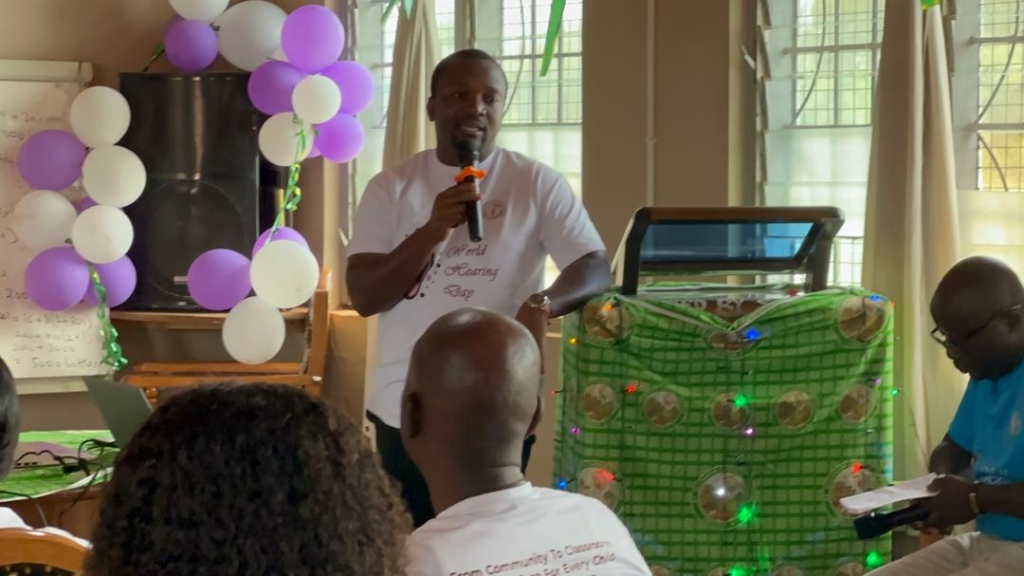
Dr Anin further stressed that prolonged exposure to high noise levels remains a leading cause of hearing deterioration. He urged parents to request hearing screening for newborns and advocated the use of ear protection in noisy environments.
He noted that many preventable conditions, such as impacted earwax and chronic infections, often go untreated in low-resource settings, increasing the risk of long-term complications.
According to the 2021 World Report on Hearing, about 90 million children and adolescents worldwide live with hearing loss, with a significant proportion undiagnosed — contributing to what experts describe as a “silent” academic crisis.

Rev. Sr Georgina Quayson, Administrator of St Elizabeth Catholic Hospital, observed that some children are unfairly labelled as academically weak simply because they struggle to hear instructions in class. She emphasised that a child’s wellbeing and learning capacity depend on the collective responsibility of attentive teachers and proactive parents.
The campaign highlighted that more than 60 per cent of childhood hearing loss is preventable through cost-effective public health measures.
Nurse Manager Gladys Bediako stated that integrating systematic hearing screening into school health programmes is essential to preventing long-term effects on speech, cognitive development and future economic prospects.
By identifying conditions such as Otitis Media with Effusion (OME) early, health professionals aim to prevent temporary hearing challenges from progressing into permanent disability.

Latest Stories
-
Fire guts auto parts warehouse at Bubuashie, one fire officer injured
26 seconds -
I owe my victory to coach Ofori Asare – Allotey after winning WBA Africa Gold Super Flyweight belt
5 minutes -
Church of Pentecost supports over 2,000 BECE candidates in Obuasi with career guidance seminar
2 hours -
Brandon Asante and Coventry all but promoted to Premier League despite Sheffield Wednesday draw
2 hours -
GPL 2025/26: Late Kwartemaa strike downs Hearts in Tema
2 hours -
Ghana Faces Sierra Leone Moment as Prosecutorial Powers come under strain
2 hours -
Don’t consume fish or seafood from Tema Shipyard until further notice – FDA warns
2 hours -
Why volunteering might be Africa’s most underrated career accelerator
2 hours -
ActionAid Ghana raises concern over gender gaps in Feed Ghana Programme
3 hours -
Windstorm wreaks havoc in Gushegu, displacing nearly 2,000 residents and damaging schools
3 hours -
Friends of Bridget Bonnie Marks her 35th birthday with donation to Kasseh Model Health Centre
3 hours -
From Ekumfi Kokodo to the Pulpit Stage: Essi Donkor’s gospel journey takes shape
4 hours -
Landfilling waste management creates no value, it’s an economic waste
4 hours -
Photos: Speaker Bagbin Commissions MPs constituency office under parliamentary decentralisation programme
4 hours -
Black Stars technical advisor Winfried Schäfer sacked as GFA shakes up backroom staff
4 hours