

Audio By Carbonatix
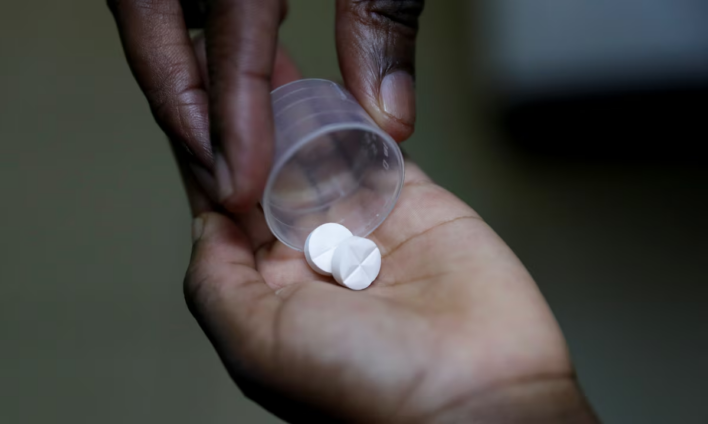
Around 77,000 fewer children worldwide received HIV treatment supported by the U.S. in the year to October 2025 than in the previous fiscal year, according to a study that found declines after the Trump administration's cuts and changes to foreign aid.
The study refers only to U.S.-supported care, and some of the children may have received treatment through national governments or other donors.
The analysis of U.S. government data found U.S.-supported pediatric HIV treatment fell by around 14% year-on-year, although the researchers said more detailed country-level data were needed to assess the full impact.
"These are signals, not a verdict. But children cannot wait,” said Kenneth Ngure, professor of global health at Jomo Kenyatta University of Agriculture and Technology and a co-author of the study, presented at the AIDS 2026 conference in Rio de Janeiro on Tuesday.
Other studies, including by UNAIDS, have also shown gaps in the HIV response since the cuts.
The U.S. State Department said it had not reviewed the study in detail but its methodology was flawed.
They said the decline was a sign of the success of the program, as fewer children were getting infected with HIV, and the numbers on treatment had been going down for four years.
But the authors said that the declines last year were steeper than this historical trend in five countries: Uganda, Haiti, Zambia, South Africa and Kenya.
DECLINE IN U.S.-BACKED TREATMENT
To reach their conclusions, Ngure and team analyzed data provided by the President’s Emergency Plan for AIDS Relief (PEPFAR), the international U.S. HIV program. They found a decline in U.S.-supported pediatric treatment in 20 of 21 countries analyzed.
Other agencies and national governments may have stepped in to keep children on treatment - a stated aim of the U.S - and the decline in coverage is also slightly lower if "central support", or U.S. funding for national or sub-national level work, rather than at clinics, is included: around 55,000 fewer children were reached last year under that metric.
The countries were chosen because they all had more than 2,000 children receiving PEPFAR-supported HIV treatment, the team said.
South Africa saw the largest absolute decline of around 30,000 fewer supported children, or 45%, followed by Zimbabwe, Kenya and Malawi.
South Africa, the country which has the most people living with HIV in the world, already funds the majority of its response. The U.S. has said it will no longer support efforts in the country.
'FALLING THROUGH THE CRACKS'
Health advocate Susan Wairimu Metta, who works with HIV-affected communities in Kisumu West, Kenya – the Kenyan area with the highest HIV prevalence rates outside Nairobi – said she recognised the picture painted by the new study.
“The funding cuts have had a real impact on paediatric HIV care in Kenya,” she said.
She said a decline in the availability of community support groups as well as new charges for tests that were previously free made it harder for families to stay fully engaged in care. This has led to a rise in the number of children presenting with advanced HIV in her region, she said.
The worst impact was during the initial period last year when the U.S. issued “stop work” orders as it began to dismantle parts of its international aid program, she said, but the situation has improved since then, in part because the Kenyan government has trained staff to help fill gaps.
“But many of the community-based support systems that prevented children from falling through the cracks have still not been fully replaced,” she added.
Latest Stories
-
‘Cockroach’ group leaders among hundreds detained in Delhi protest
3 minutes -
Don’t let speed of information become your judgement – CJ tells new lawyers
41 minutes -
World Cup visa scandal: People have leveraged public office to facilitate fraud – Senyo Hosi
46 minutes -
Glut! Farmers count losses as prices crash, customers happy
1 hour -
GSA postpones auction of unserviceable vehicles
1 hour -
Man charged with attempted murder after stabbing
1 hour -
World Cup visa scandal: Senyo Hosi says issue goes beyond calls for Sports Minister’s resignation
1 hour -
Yaw Ampofo Ankrah hasn’t taken or received any money to facilitate visas – Lawyer insists
2 hours -
World Cup visa scandal: Senyo Hosi urges focus on constitutional accountability
2 hours -
La Beach demolition: Senyo Hosi condemns lack of consultation
2 hours -
Russian glide bomb attack on Zaporizhzhia kills at least 15 people
2 hours -
Jinapor warns underperforming energy sector CEOs of consequences, says no protection for failure
2 hours -
Fire destroys head of tipper truck on Lower Volta Bridge
2 hours -
Palmer signs new Chelsea contract until 2034
2 hours -
World Cup visa scandal: Mahama will act on corruption allegations – Abass Nurudeen
2 hours