

Audio By Carbonatix
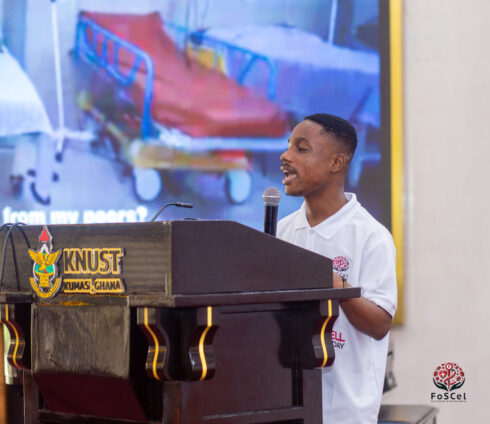
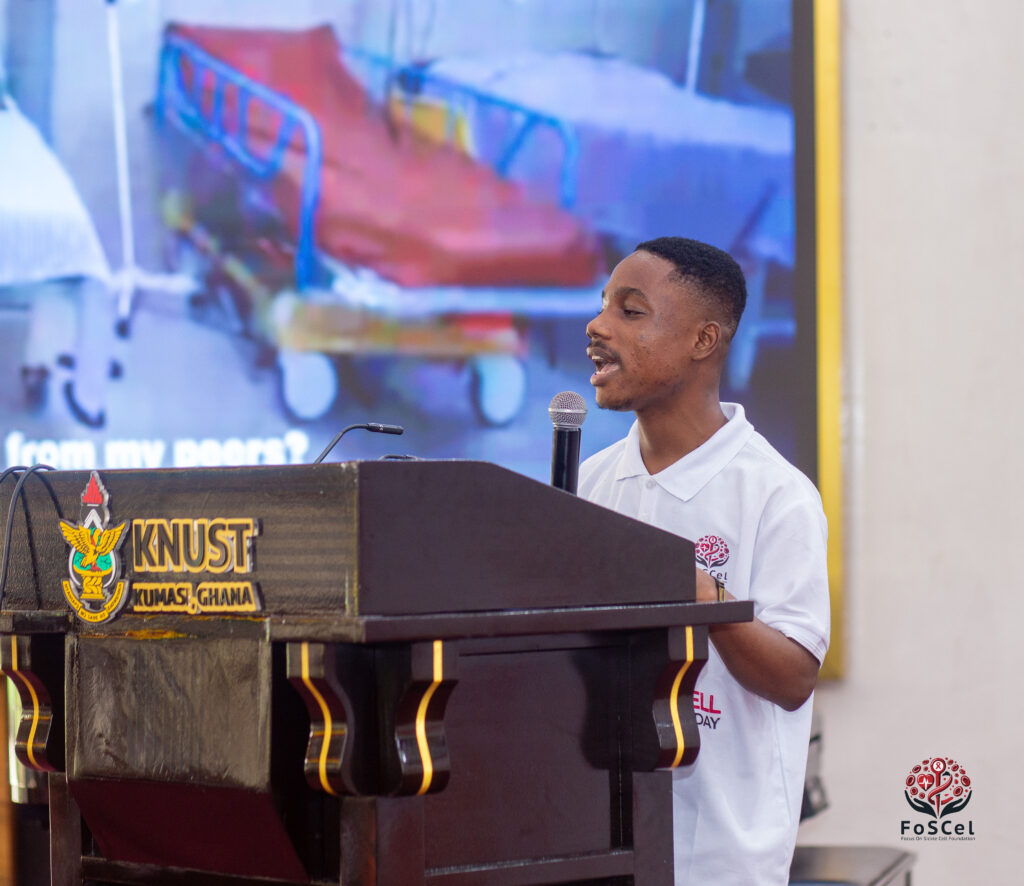
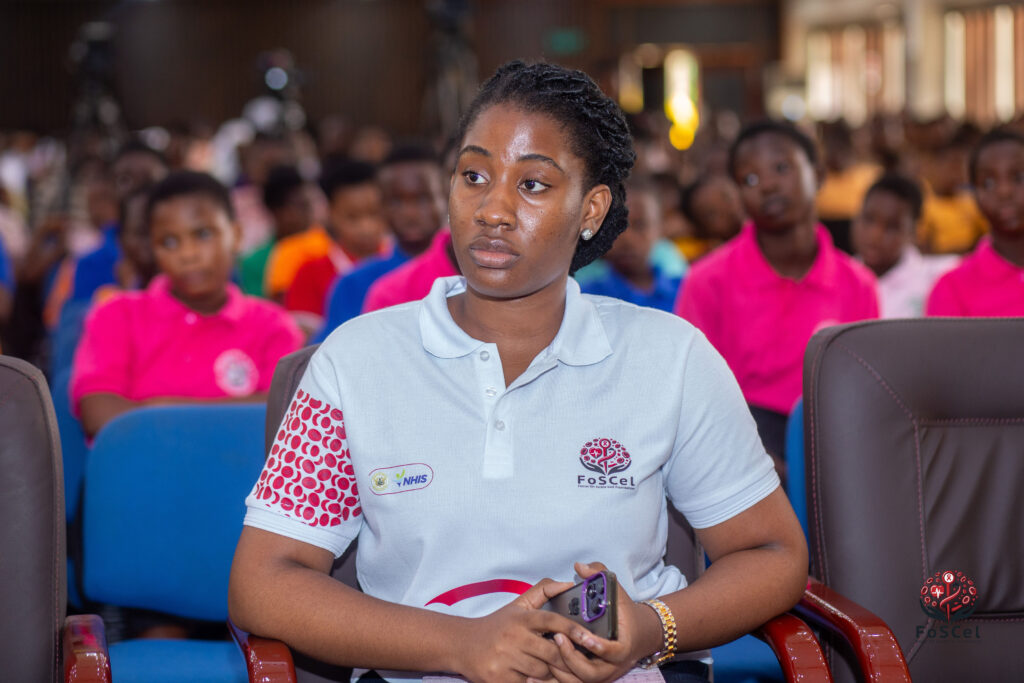
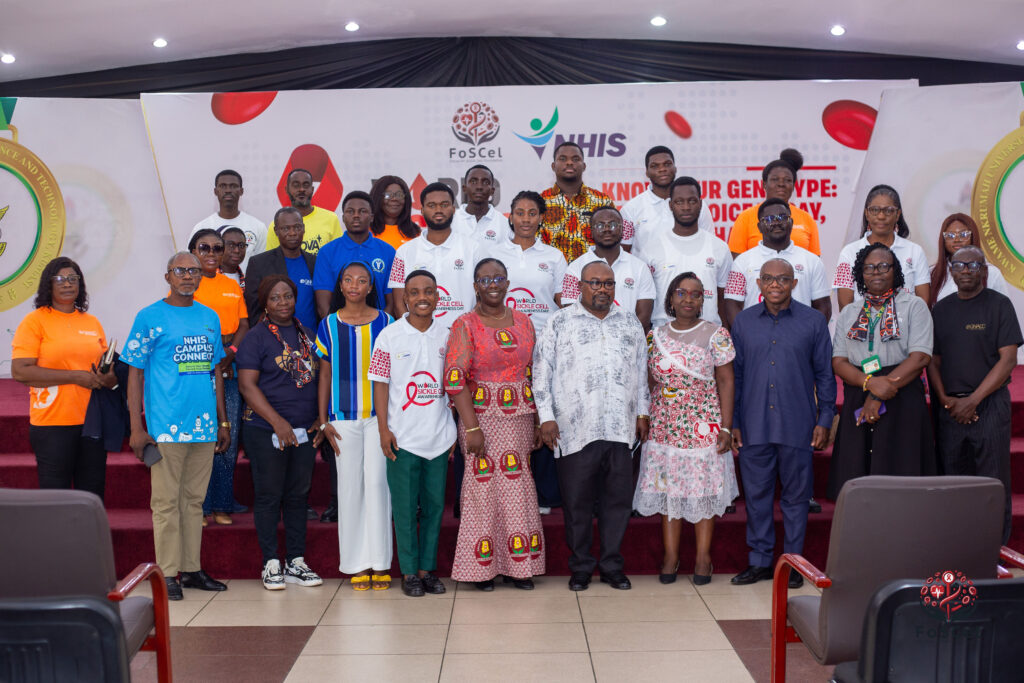
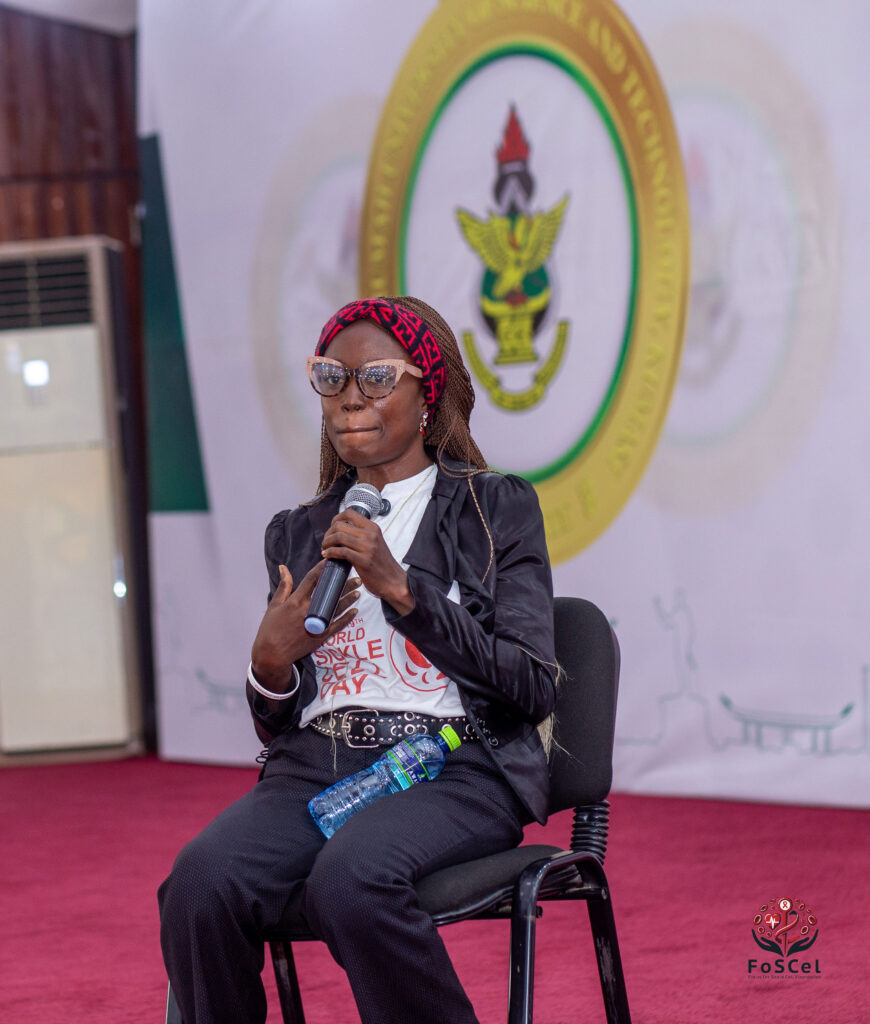
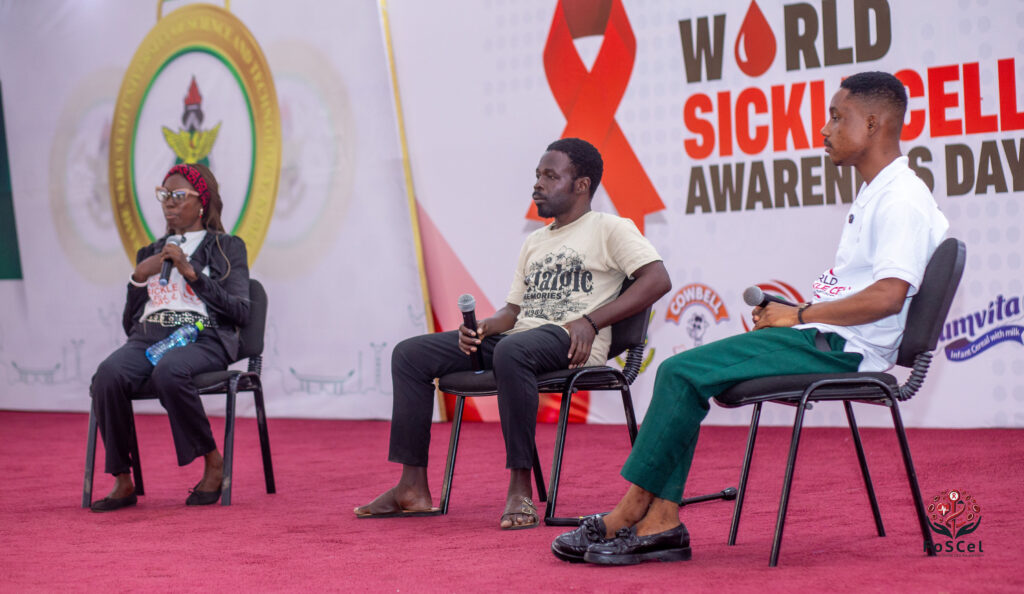
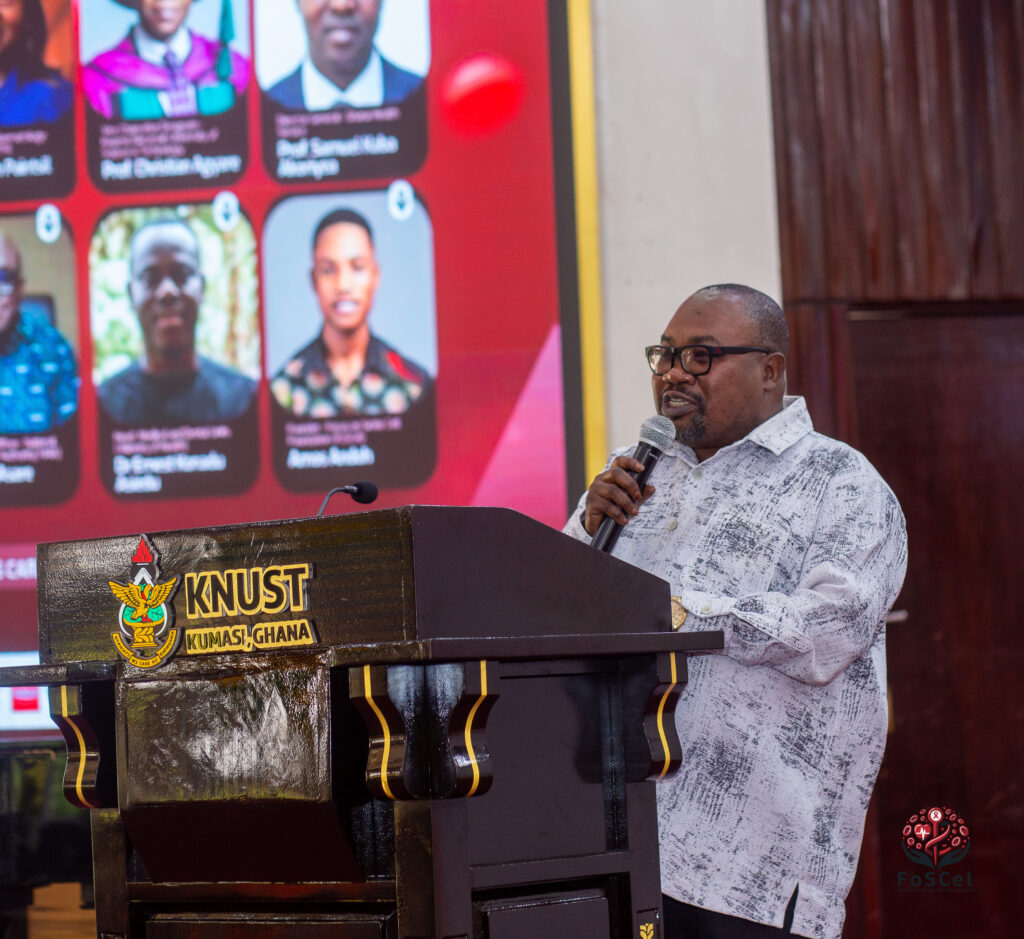
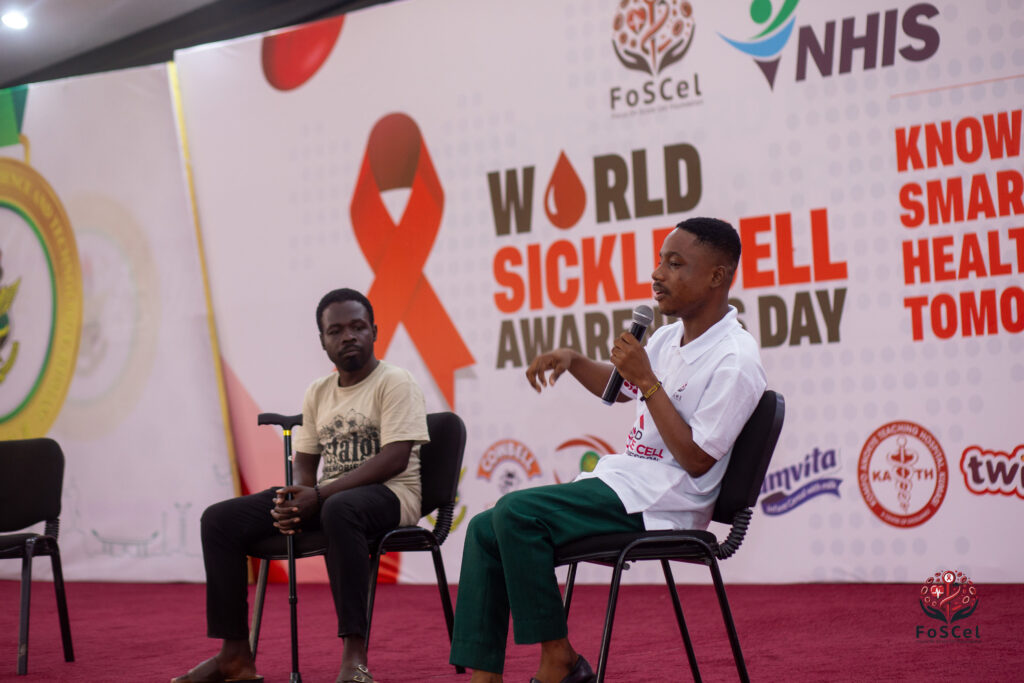
The Founder of the Focus on Sickle-Cell Foundation (FoSCel), Amos Andoh, has urged intensified national education on sickle cell disease and greater public responsibility in reproductive decisions, as the foundation marked World Sickle Cell Day at the Great Hall of the Kwame Nkrumah University of Science and Technology (KNUST) on June 19.
Speaking on the sidelines of the commemoration, Mr Andoh said his decision to establish FoSCel was driven by his experiences as a journalist and his exposure to the severe suffering endured by people living with sickle cell disease, commonly referred to as “warriors”.
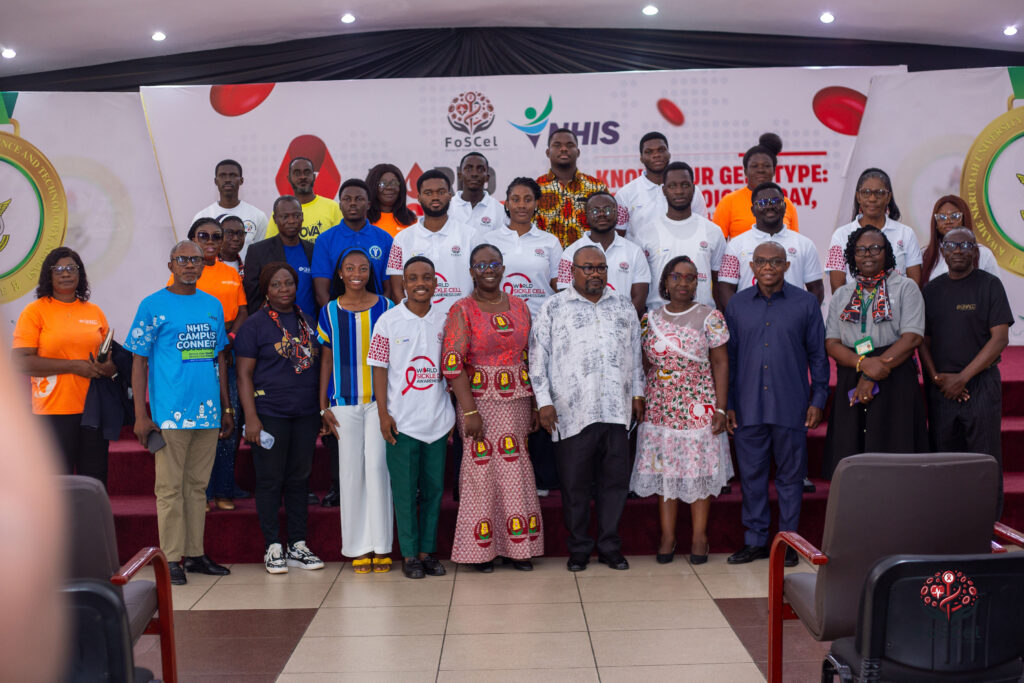
“Sickle cell was something that I didn’t want to see because the pain in living with sickle cell is not easy,” he said, explaining that the foundation was created as a platform to unite patients, policymakers, health professionals and the general public in a coordinated effort to raise awareness and combat the disease.
The event formed part of activities marking World Sickle Cell Day, under the theme: “Know your genotype, smart choice today, healthy Ghana tomorrow.”
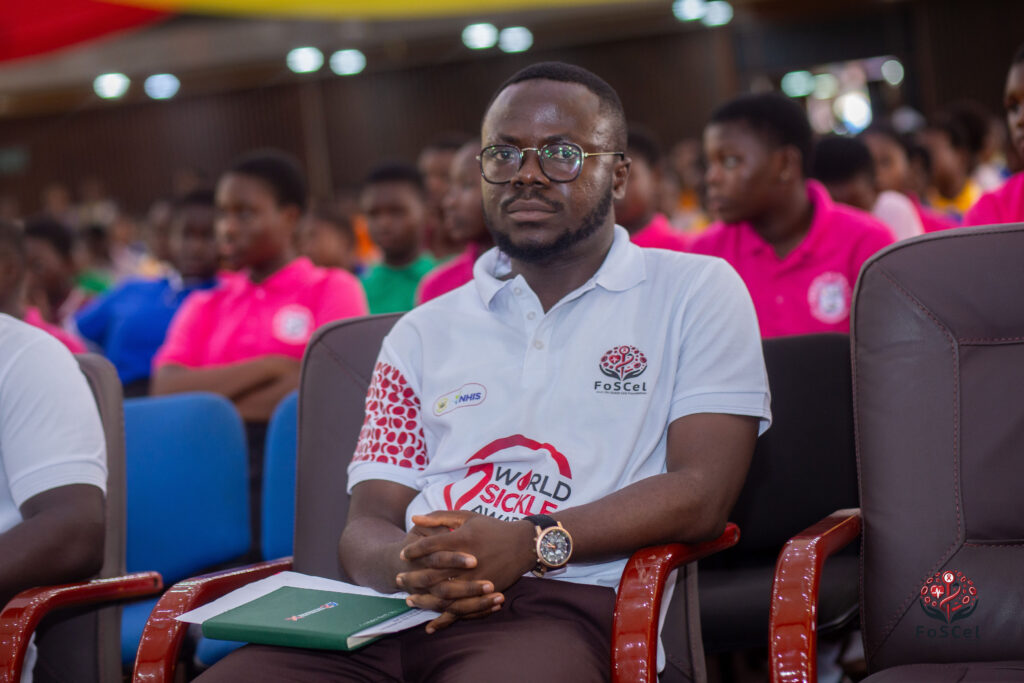
Mr Andoh stressed that Ghana’s future health outcomes depend significantly on reducing the number of children born with sickle cell disease through informed reproductive choices and early education.
Citing health data attributed to the Ministry of Health and the Ghana Health Service, he stated that between 18,000 and 20,000 babies are born annually with sickle cell disease in Ghana, describing the figure as a national concern that requires urgent preventive action.
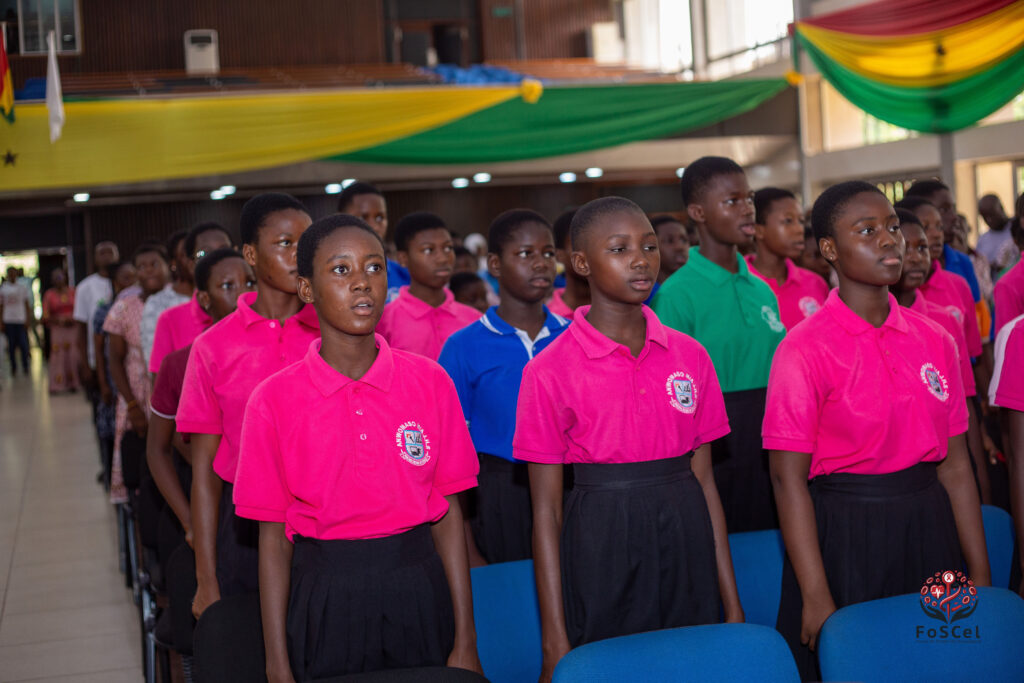
He proposed a “Catch Them Young” approach, calling for structured awareness creation among children and young adults to ensure that genotype knowledge becomes a routine part of personal development and family planning decisions.
“We want to start from the bottom,” he said, adding that sustained education could significantly reduce new cases by 2030 if properly implemented nationwide.
Mr Andoh also highlighted the complex medical challenges faced by people living with sickle cell disease, noting that although patients can live with the condition, it often involves lifelong treatment and serious complications.
He referenced commonly used medications such as hydroxyurea, folic acid and pethidine, describing them as essential but intensive therapies.
He further outlined complications associated with the disease, including kidney failure requiring dialysis, liver disease, stroke, and avascular necrosis—a condition that affects bone tissue and may require surgical intervention.
According to him, some patients eventually undergo costly procedures, including hip replacement surgery, which can cost as much as GH₵125,000 per hip, placing a heavy financial burden on affected families.
He warned that such treatment costs far exceed the capacity of many households and are difficult to fully accommodate under the National Health Insurance Scheme.
Mr Andoh called for closer collaboration between the Ministry of Health, the National Health Insurance Authority (NHIA) and the Ghana Health Service to expand awareness campaigns and explore sustainable ways of supporting patients.
He noted that FoSCel’s strategic focus between 2026 and 2030 is to deepen national awareness, strengthen preventive education, and reduce the incidence of new sickle cell births through informed decision-making.
While acknowledging ongoing discussions about expanding NHIS coverage for sickle cell-related treatment, he cautioned that the financial demands of comprehensive care remain significant, particularly for patients with multiple complications.
Mr Andoh urged young people to prioritise genotype testing and make informed choices before entering long-term relationships or deciding to have children.
He warned that many parents of children living with sickle cell disease later discover that the condition could have been avoided through basic genetic screening.
“Don’t follow love blindly,” he said, stressing that emotional decisions without medical knowledge often lead to lifelong emotional, physical and financial hardship.
He added that many affected families have expressed regret, stating that they would have made different decisions had they been aware of the risks at the time.
Mr Andoh urged greater national commitment to awareness creation and responsible decision-making, insisting that reducing ignorance around genotype compatibility remains one of the most effective ways to reduce the burden of sickle cell disease in Ghana.
Latest Stories
-
Mahama urges African governments to treat healthcare as an investment, not budget cost
33 minutes -
Bawumia congratulates John Boadu and new NPP executives, pledges support ahead of 2028
34 minutes -
‘No talent should be left out’ – Bawumia pledges inclusive NPP campaign for 2028
40 minutes -
Prof. Mike Oquaye recounts how he blocked Special Prosecutor’s attempt to arrest Bawku Central MP
56 minutes -
Make health sovereignty a priority for Africa – Mahama
1 hour -
Dorimon Naa, Wa West DCE lead massive clean-up exercise; threaten sanctions against recalcitrant residents
1 hour -
Photos From Adom FM Y2K Jam
1 hour -
Praye Tiatia steals the show at Adom FM Y2K Jam [Watch]
2 hours -
Boakye Agyarko congratulates John Boadu, pledges support for NPP leadership
2 hours -
Antwi HiMight thrills fans with Antwi ne Antwi hits at Adom FM’s Y2K Jam [Video]
2 hours -
Amb. Edward Boateng congratulates Boadu, Kodua on election wins
2 hours -
John Boadu pledges to rebuild NPP from grassroots and restore ‘winning machinery’
2 hours -
Ashaiman Assembly deploys monitoring system to curb dumping in storm drain
3 hours -
John Boadu must rebuild, unite NPP for 2028 – Edward Boateng
3 hours -
Executive intimidation of opposition undermines separation of powers – Prof Oquaye
3 hours