

Audio By Carbonatix
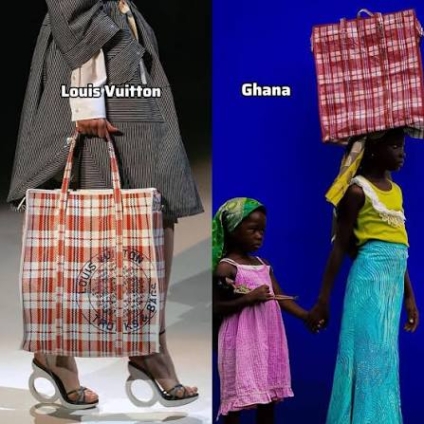
Over the last few years, Louis Vuitton has increasingly turned its lens toward West African visual culture, mining its vibrant aesthetics to inform some of the house’s most talked-about collections. From the striking Kente-infused menswear collection in 2021, designed by the late artistic director Virgil Abloh, to the 2025 re-imagination of the “Ghana Must Go” bag, the luxury brand continues to draw inspiration from the continent—crafting new narratives for a global audience while sidestepping deeper regional acknowledgments.
Though separated by four years, the two collections share a common thread: an elevation of African motifs through the lens of European luxury, remixed for the runway, and repackaged for the high-end consumer.
The 2021 Kente Collection: Patterned Power
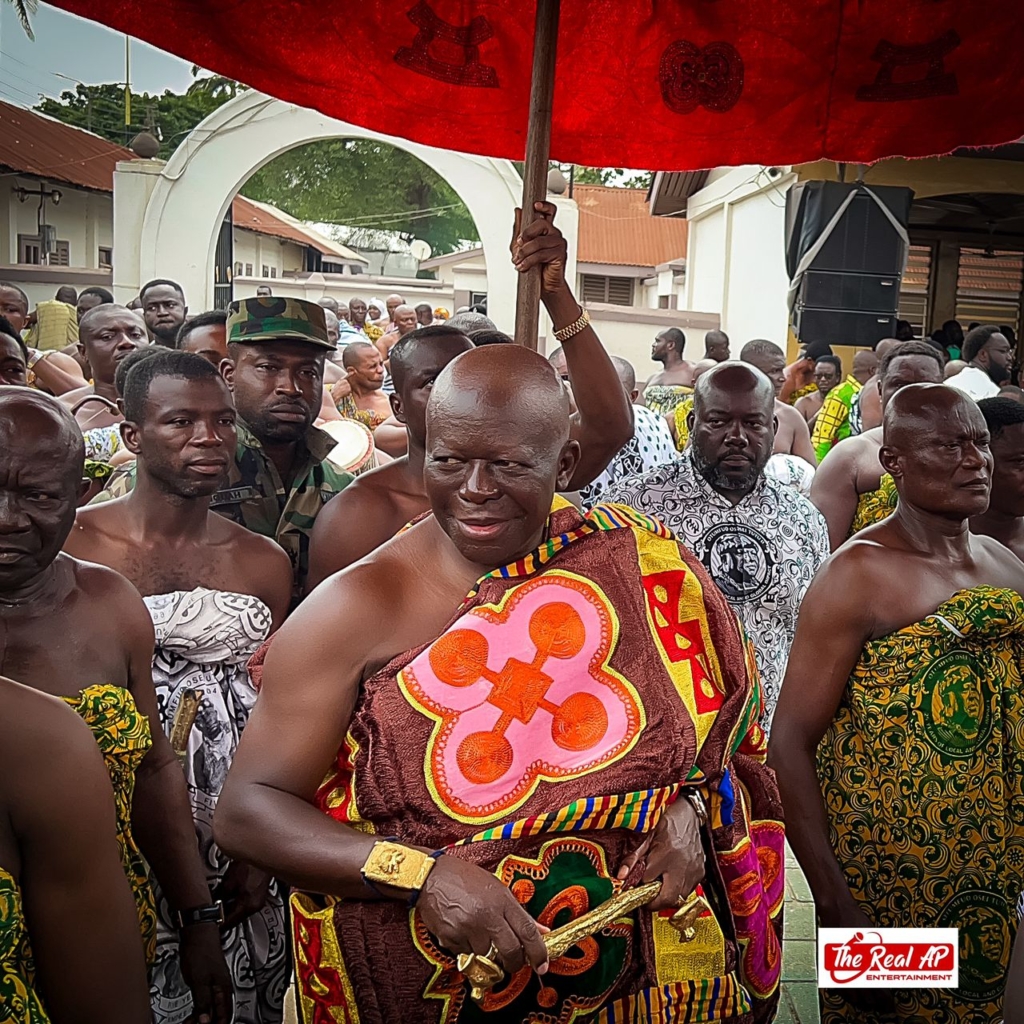
In January 2021, Louis Vuitton’s Fall/Winter menswear show marked a turning point in luxury fashion’s engagement with African design language. Spearheaded by Virgil Abloh, the show featured an array of bold, multi-colored patterns echoing the geometric structures and vibrant tones of Kente cloth—a textile long associated with prestige, ceremony, and cultural identity in West Africa.
Abloh, known for his ability to blend streetwear with symbolism, offered no direct claim to the Kente tradition but used its visual language to explore themes of migration, identity, and global hybridity. The collection was widely praised for pushing boundaries, with critics calling it “a tribute to cultural interconnectedness” and “a redefining moment in luxury menswear.”
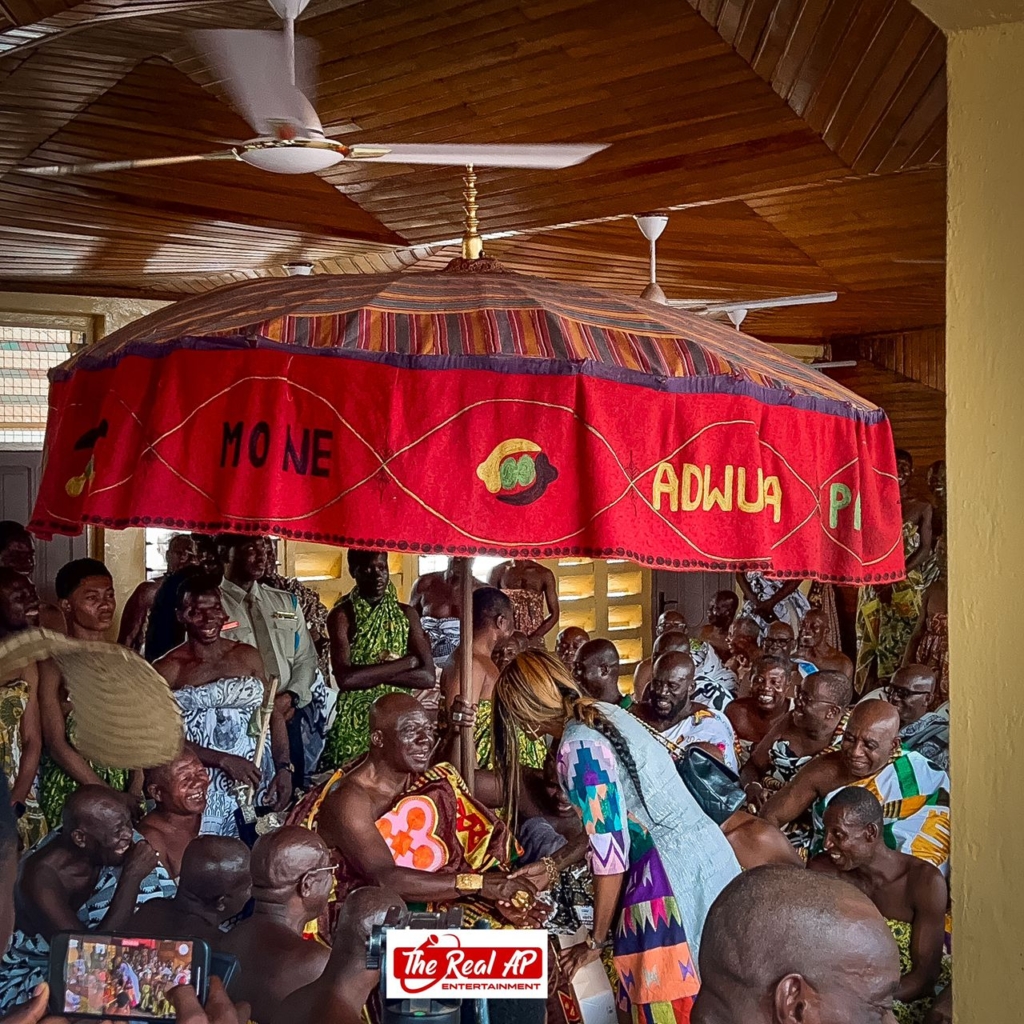
Louis Vuitton’s branding emphasized the collection’s global perspective, framing the textiles as part of a “universal vocabulary of heritage and identity.” The presentation, held in Paris but filmed across multiple continents, furthered the house’s messaging of cultural convergence—one that looked toward Africa, but without directly citing local artisans or traditional custodians.
2025: Reworking the Ghana Must Go Bag
Fast forward to 2025, and Louis Vuitton has once again tapped into a deeply symbolic African object: the “Ghana Must Go” bag—a name colloquially given to the woven, checkered bags used across West Africa, particularly among migrant communities in the 1980s and 1990s.

Originally manufactured from inexpensive polypropylene, the bags are known for their durability and affordability—used by traders, families, and travelers moving across borders. Though steeped in the complex histories of displacement and migration, Louis Vuitton’s interpretation reframes the bag entirely.
The 2025 version replaces plastic with calfskin leather and monogrammed canvas, while retaining the recognizable blue, red, and white check pattern. Retailing for upwards of $3,000, the reimagined tote is described by the brand as “a modern homage to the global traveler,” featuring brass hardware, reinforced stitching, and a new narrative of “cosmopolitan resilience.”
No reference is made to the regional or political context from which the original bags emerged.
Aesthetic Parallels, Strategic Silences

While the 2021 Kente collection emerged in the wake of heightened global conversations around diversity and representation, the 2025 Ghana Must Go series appears in a different moment—where cultural referencing in fashion has become both more frequent and more marketable.
Both collections approach West African aesthetics as visual motifs rather than cultural inheritances. Neither names the communities or countries that birthed the designs, nor credits local makers or designers as sources. Instead, the branding leans on broad, non-specific themes—“heritage,” “journey,” “resilience,” “migration”—that allow the designs to float freely in a luxury context, divorced from their sociopolitical roots.
In doing so, Louis Vuitton walks a well-worn line in high fashion: drawing from the Global South while filtering the result through a Western lens of refinement and exclusivity.
Cultural Echoes, Commercial Gains
Despite their lack of attribution, both collections have achieved significant commercial success. The Kente-inspired suits and outerwear sold out across global markets in 2021, while the Ghana Must Go bags have become a street-style staple among celebrities and influencers in 2025.
The appeal is clear: these are items that carry the visual power of cultural memory without the “baggage” of context—artifacts made fashionable, cleansed of complexity.
For some consumers, this is aspirational; for others, it’s erasure.
Conclusion: A One-Way Mirror
Louis Vuitton’s evolving engagement with West African design language reflects a broader tension in global fashion: the line between inspiration and extraction. From Abloh’s reinterpretation of Kente to the house’s luxury overhaul of a migrant’s travel bag, the story remains largely the same—African aesthetics as a canvas for Western creativity.
In a world where fashion increasingly borrows from everywhere, perhaps the more important question is not what gets borrowed, but who gets seen.
And in these collections, the designs may be visible—but the original voices remain absent.
***
Amma Prempeh is a Journalist, Executive Producer, Film Director, Lawyer, and Kente Ambassador
Latest Stories
-
Baffour Awuah ready to cooperate fully with EOCO investigation – Bosome Freho MP
15 minutes -
How a Ghanaian technology is helping fish farmers detect hidden threats before fish die
25 minutes -
AI tool helps Ghanaian farmers identify crop threats from field observations
30 minutes -
NEIP: Designing a Ghana Startup Agency that builds enterprises, not programmes
36 minutes -
Breast cancer diagnosis is not a life sentence – Gender Minister urges early treatment
38 minutes -
‘How does a bad settlement translate into criminality?’ – Atta Akyea questions EOCO
43 minutes -
Foreign Affairs Ministry launches ‘ECOWAS for All’ campaign to boost public awareness
51 minutes -
Baffour Awuah’s EOCO questioning centred on SIC matter – Bosome Freho MP
54 minutes -
Kwaku Bonsam appeals to Mahama, Ablakwa to facilitate his US travel for skin graft; says he’ll fund it
1 hour -
Baffour Awuah arrested after surrendering to EOCO
1 hour -
Baffour Awuah cooperating with investigators after surrender and arrest – EOCO
1 hour -
Destruction of aspirants’ posters breaches democracy—Ashanti NPP Communications Director
2 hours -
BNI investigates Ampofo Ankrah over alleged $623,000 World Cup visa scheme
2 hours -
GoldBod’s $1.87bn boost strengthens Ghana’s path beyond IMF support – Institute of Fiscal Policy Research
2 hours -
NPP National Delegates Conference: Police announce road closures, diversions around Baba Yara Stadium
2 hours