

Audio By Carbonatix
In an era where a child’s future is increasingly determined by their digital proficiency, a haunting question looms over Ghana’s education system: Will your child be left behind?
For years, Ghana’s journey into Educational Technology (EdTech) has felt like a patchwork quilt with plenty of vibrant patches, but no single thread holding them together. We’ve seen laptops distributed in some districts while others lack electricity; we’ve seen high-end apps developed while teachers struggle with basic digital literacy.
This fragmented landscape was the focal point of the February 2026 edition of EdTech Mondays Ghana, aired on MEST Africa’s YouTube Channel. The episode, titled “Leaving No Child Behind: Ghana’s Draft EdTech Strategy,” signalled a pivotal shift from "random acts of technology" to a unified national vision.
The End of "Project-Based" Thinking
For too long, EdTech in Ghana has been driven by isolated interventions—short-term projects that often fizzle out once donor funding dries up. Genevieve Simiyu of Chalkboard Education argued that for Ghana to evolve truly, the private sector and government must change their engagement model.
"We must move from 'project-based' thinking to long-term partnerships”, Genevieve Simiyu noted during the panel. She emphasised that sustainable impact requires EdTech providers to stop looking for quick wins and instead integrate their solutions into the long-term fabric of the national curriculum.
A Masterplan for the Future: The 13 Pillars
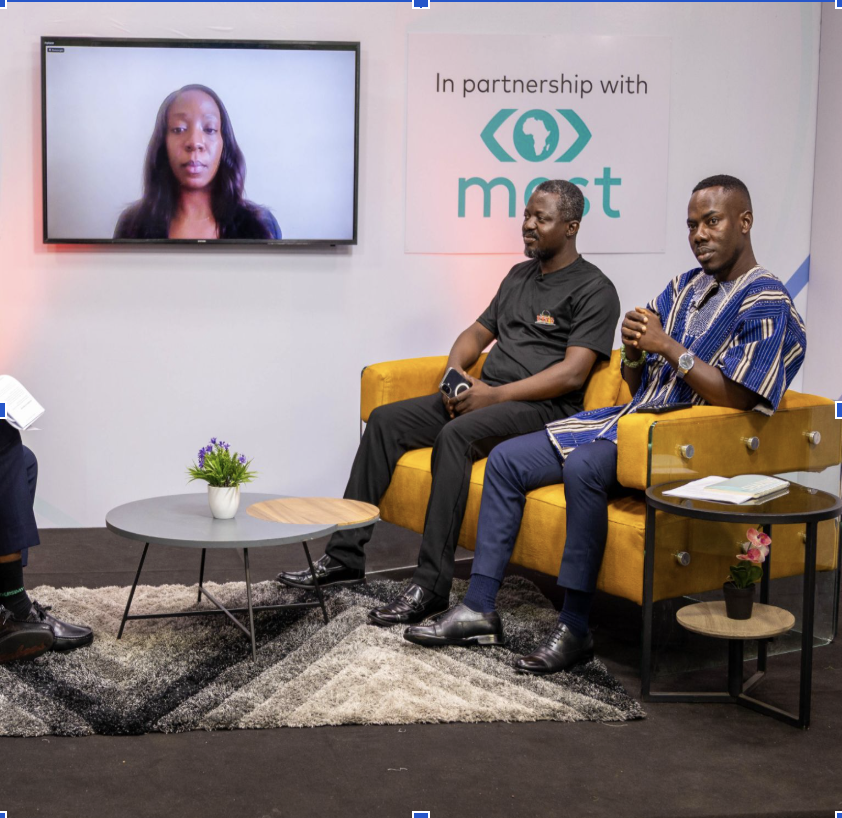
At the heart of this transformation is the Draft National EdTech Strategy. This isn't just a document; it is a roadmap designed to harmonise the efforts of the government, private sector, and educators.
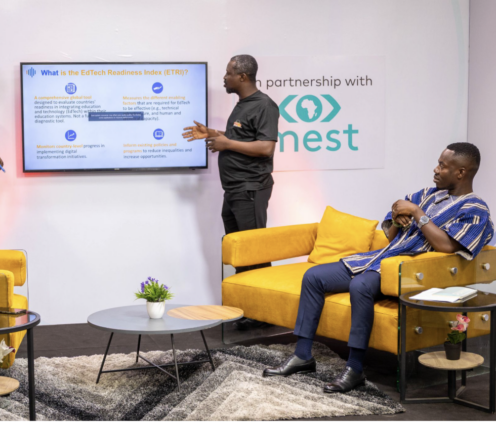
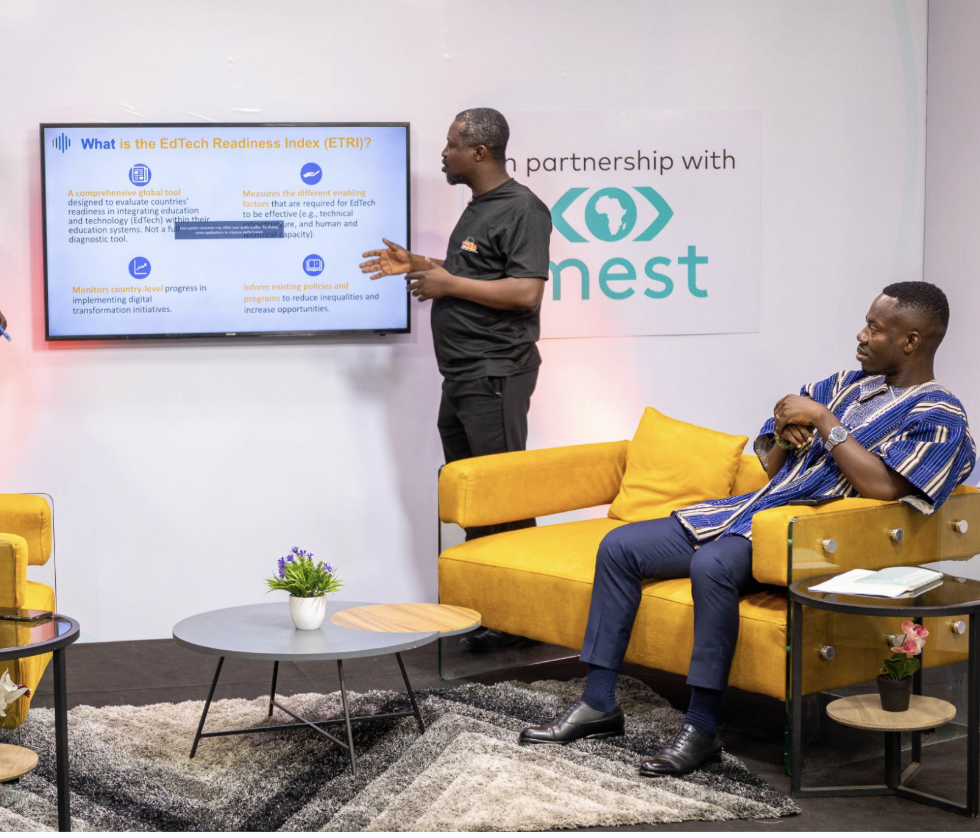
Professor Kofi Sarpong Adu Manu, from the University of Ghana, revealed that the strategy is built upon 13 thematic pillars, ranging from infrastructure and content to data utilisation and inclusion. However, he was quick to point out that hardware alone isn't the solution.
Watch Prof. Sarpong break down the 13 thematic pillars
“We have a leadership gap,” Prof. Sarpong Adu Manu remarked, addressing the phenomenon of "unused devices" sitting in boxes in schools across the country. “It isn't just about having the gadgets; it’s about the leadership at the school level ensuring these tools are integrated into daily learning.”
Coordinating the Chaos
Larry Agbador, representing the Centre for National Distance Learning and Open Learning (CENDLOS), highlighted that the new strategy marks a definitive shift toward a coordinated national approach.
According to Agbador, the role of CENDLOS is evolving to ensure that whether a child is in an urban private school in Accra or a rural public school in the Upper West Region, the quality of digital content and the standards of data protection remain consistent. The strategy focuses on seven key themes:
- Governance: Creating clear accountability.
- Infrastructure: Ensuring reliable connectivity and power.
- Content: Developing localized, curriculum-aligned digital materials.
- Digital Literacy: Training both students and teachers.
- Data Utilization: Using analytics to improve learning outcomes.
- Data Protection: Safeguarding the privacy of Ghanaian minors.
- Inclusion: Ensuring children with disabilities are not sidelined.
Parents and Teachers: The "Digital Guardians"
While the policy talk often centers on "systems" and "pillars," the panel underscored the human element. The strategy recognizes that technology is only as good as the humans who facilitate it. Teachers and parents are the "digital guardians" of this generation.
The Draft EdTech Strategy places a heavy emphasis on digital literacy for educators, ensuring they don't feel replaced by AI or tablets, but rather empowered by them. For parents, the message is clear: digital inclusion starts with engagement at home, advocating for their children's right to access these modern tools.
The Road Ahead: A Call to Action
The "Draft" status of the National EdTech Strategy is an invitation for public discourse. As Ghana moves toward final implementation, the success of this shift relies on collective vigilance. We can no longer afford the "silo" mentality that has characterized the last decade.
The 4th Industrial Revolution isn't coming; it’s already here. The Draft National EdTech Strategy is Ghana’s best shot at ensuring that the digital revolution includes everyone; not just the privileged few.
Catch the complete episode here
Stay Engaged: EdTech Mondays continues to provide a platform for critical conversations, ensuring stakeholders remain engaged in shaping the future of learning in Ghana. Don’t miss the show at 9:15 am every last Monday of the month on MEST Africa’s Youtube channel and Facebook page.
#EdTechMondaysGhana #EdTech Mondays #GhanaEducation #DigitalTransformation #EdTech Strategy
Latest Stories
-
Ghana housing finance conference adopts communiqué to improve affordable housing access
3 hours -
Special Initiatives Minister urges Wa Technical Institute to enrol more girls as EU-backed solar training lab opens
3 hours -
In the matter of my first year at the Bar
3 hours -
ActionAid Ghana calls for an end to child marriage, greater investment in girls’ rights
3 hours -
Newsfile to tackle World Cup visa scandal, beach demolitions, education strikes, BRICS bid
4 hours -
UK-Ghana Trade & Investment Summit: Trade Resource Centre to help businesses maximise UK-Ghana trade opportunities
4 hours -
Embassy of Denmark celebrates World Maritime Day
4 hours -
Linking LEAP to productive inclusion could cut extreme poverty by 2030 – UNICEF
5 hours -
Trade Ministry backs use of creative arts to rehabilitate prison inmates
5 hours -
Negotiations with government to continue despite strike suspension – GNAT
5 hours -
‘Ghana cannot afford to waste public resources; every cedi has a job’ – Ato Forson
5 hours -
Ghana expects economic boost as World Assemblies of God Congress brings 10,000 delegates to Accra
5 hours -
Joy in Nayilifong as Farouk Aliu Mahama donates 100kVA transformer to improve power supply
6 hours -
Chief Justice urges employers to tackle mental health stigma in workplaces
7 hours -
Analysis: Ghana’s yellow fever numbers reveal a gap between vaccination and protection
7 hours