

Audio By Carbonatix
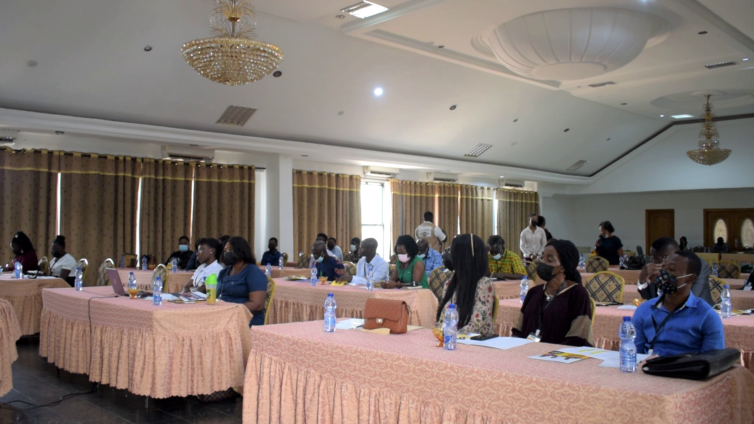
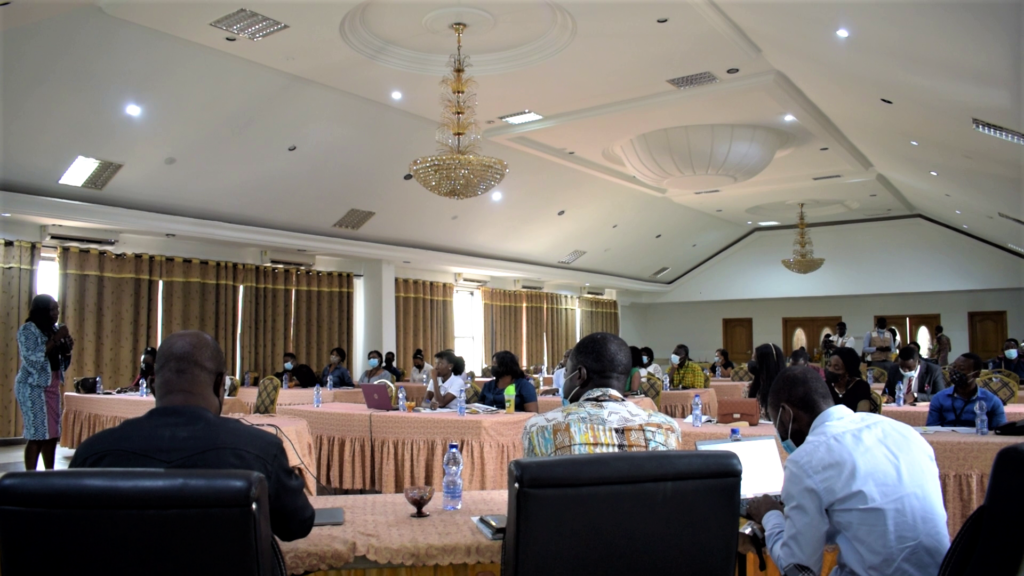
The Ghana Export Promotion Authority (GEPA), is building the capacity of women in agribusiness and textiles in the Ashanti Region to help increase their export and trade potentials.
The 5-day training, supported by the Canadian Trade Facilitation Office, is also aimed at creating more job opportunities for women.
The training programme is part of GEPA's effort to groom exporters for easy access to external markets and ultimately shore-up exports.
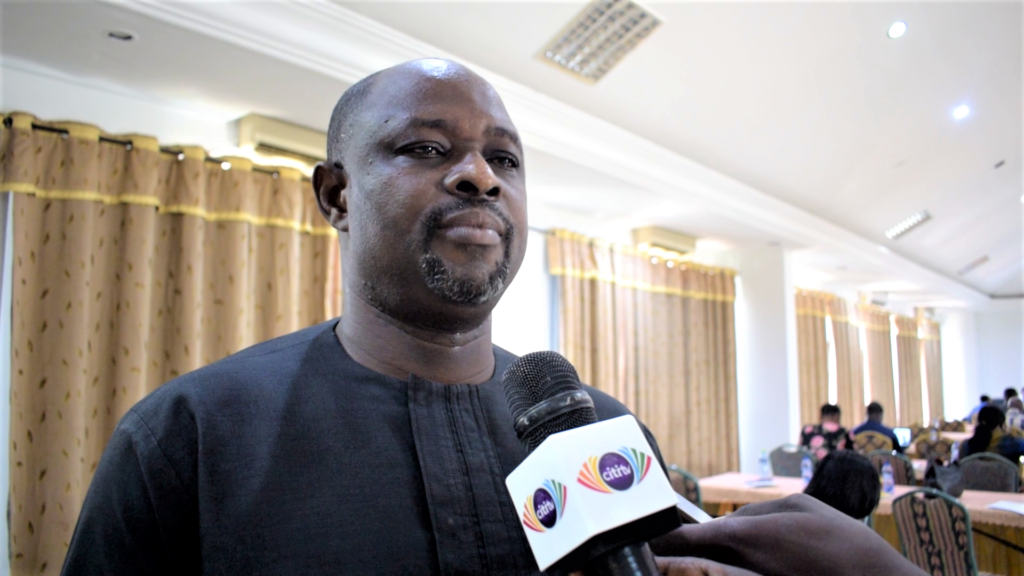
Deputy CEO in charge of Human Resource and Administration at GEPA, Albert Kassim Diwura, observed that international trade comes with lots of demands hence the training.
"This is very important to us because women in trade are doing very well in terms of numbers, but we have realised intermittently they don't have time to do research because they are busy. So we organised this programme to build their capacities to be able to take advantage of the exporting space," he said.
The theme for this year's workshop is; "Facilitate exports for inclusive and sustainable growth."
SMEs have been urged to register under the Ghana Export Promotion Authority (GEPA) to access support to enter the international market.
"Some of them don't know they have to register under the Ghana Export Promotion Authority (GEPA). They think just like we sell in the Ghanaian market, they can produce the same way and take it to the international market. Some of them attempt and they have challenges, but when they register, we give them the requisite knowledge on export fundamentals," he noted.
A representative from the Trade Facilitation Office (TFO), Canada, encouraged women to collaborate and take advantage of the export markets.
Mr. Andrew Mensah believes this will help businesses to meet demand.
"One of the challenges we have noticed is lack of networking. It is important for us to bring these enterprises together to work in synergies. Once these enterprises come together they can form networks to meet capacity drive.
When this problem is solved, we will be able to export to get revenue to the country and through this, we will be making contributions to the economy," he said.
Some of the participants spoke to Luv Business about the relevance of the training to their businesses.
"Targeting Ghanaians is not the best for our business, we need to focus on extending our business to other African countries and that is the main reason I'm here. I want to know the nitty gritty and formalities in terms of exporting, "CEO of iFOK footwear, Emmanuel Atakora-Manu indicated.
Janet D. Gyamah, CEO of Josma Agro Industries Limited said, "we've been producing for the local market and looking for avenues to export directly, so I think this training is really going to help my business"
Latest Stories
-
‘We want answers’ – Family seeks probe into 14-year-old’s death 12 days after starting SHS
4 minutes -
No preacher has the right to impose beliefs on bus passengers – Kwesi Pratt Jr backs preaching ban
8 minutes -
Africa Maritime Security Forum opens in Accra with call for stronger continental cooperation
8 minutes -
Techiman North MP fulfills promise with new CHPS Compound in Kokoago
19 minutes -
Enterprise Trustees, Sinapi Aba launch ‘Asetenapa Plan’ to promote retirement savings among informal workers
21 minutes -
Gov’t working to ensure GAUA strike is called off by October 16 – Haruna Iddrisu
26 minutes -
KAIPTC Commandant calls for continent-wide strategy to tackle Africa’s maritime security threats
37 minutes -
GRIDCo investigates Mallam substation fire as power restoration continues in Accra
38 minutes -
20% digital tax is not E-Levy – GRA boss
49 minutes -
Defence Minister calls for intelligence-sharing and regional cooperation to tackle maritime insecurity
52 minutes -
Afenyo-Markin failed to comply with procedural rules in defamation suit – Sammy Gyamfi’s lawyers
1 hour -
GRA recovered GH¢1.3bn out of about GH¢1.4 bn unpaid VAT from ECG – Anthony Sarpong
1 hour -
KMA to extend daily toll collection to nights and weekends
1 hour -
Ghana secures second consecutive term on UN Human Rights Council
1 hour -
KATH Catheterisation lab targets December completion amid specialist staffing concerns
1 hour