


Audio By Carbonatix
At the German Press Council in Berlin, media regulators insist that credibility not clicks is the future of journalism. But in Ghana’s fast-growing digital ecosystem, engagement metrics are becoming the new survival code.
In an era where the internet rewards speed, shock, and viral moments, the pressure on newsrooms to prioritise clicks over credibility is stronger than ever. But in Berlin, Germany’s Press Council is issuing a sharp reminder: journalism must remain journalism even in the chase for digital relevance.
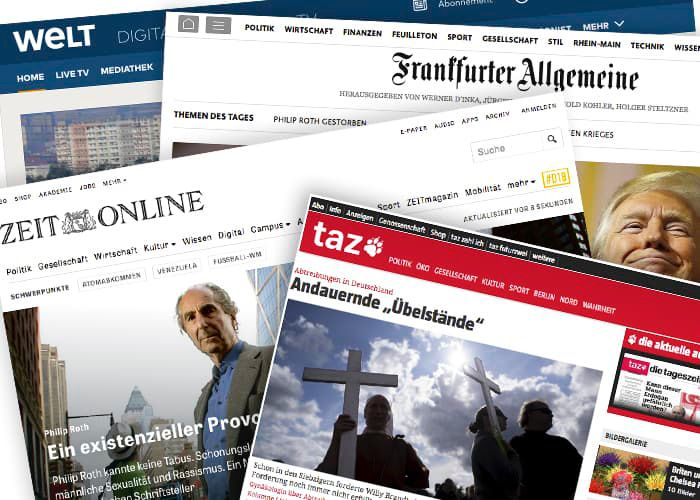
During a briefing with visiting journalists, CSOs and Lawyers, the Council highlighted a surge in complaints linked to sensational headlines, misleading visuals, and what the industry now calls clickbait. The regulator, established in 1956 as a self-governing watchdog for the German media, says these practices are undermining trust, the very foundation of a free press.
One of Council representative , Xenia Balzereit , made the point bluntly: “Media must stick to principles and quality if they want to be taken seriously. Those standards don’t disappear because the internet is fast.”
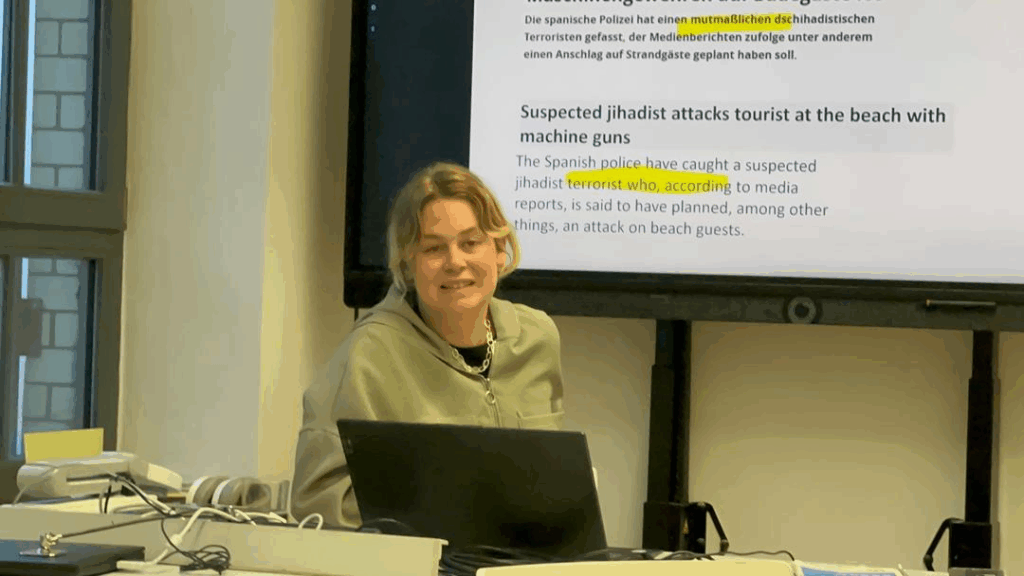
Germany’s system of press self-regulation is built on strict ethical codes including truthfulness, duty of care, protection of victims, and clear separation between advertising and editorial content. Outlets that cross the line face public reprimands that carry heavy reputational weight.
But while Germany has decades of regulatory culture to fall back on, Ghana faces a far more complex reality.
With the rapid growth of online portals, shrinking advertising revenue, and increasing competition for visibility, headlines often need to “sell” before audiences even click.

The result is a media battlefield where accuracy, depth, and public interest are frequently overshadowed by engagement metrics.
The German example, however, offers a cautionary tale.
Clickbait may drive traffic, but it erodes the trust that journalism depends on.
In a global environment where misinformation spreads at lightning speed, the cost of sacrificing accuracy can be far greater than a drop in views.
As Ghana’s media landscape continues to evolve, the conversation in Berlin rings loudly: the future of journalism will not be won by the fastest headline but by the most credible newsroom.
Latest Stories
-
Man City suffer as PSG masterclass sets up Champions League win
1 hour -
Customer Service Africa CEO urges business leaders to observe staff and customer interactions
1 hour -
On night of mayhem for Liverpool, Barcola arrives in style
1 hour -
Muzic Mensah finds healing and renewed love in new single ‘WayƐ Late’
2 hours -
FIFA to offer extra £2.6bn for football development
2 hours -
Government backing is no EPA permit – Authority warns GoldBod, ministries
2 hours -
Real Madrid produce stunning late fightback to down Roma
2 hours -
EPA orders immediate halt to unpermitted reclamation and dredging nationwide
2 hours -
Afenyo-Markin’s lawsuit against Sammy Gyamfi takes focus away from development – Kpebu
2 hours -
FWSC urges media to guard against misinformation in proposed IPEC transition
2 hours -
MoMo Fest 2026: Shatta Wale to Rock Accra Stadium on October 17
2 hours -
GTEC’s letter directing public universities to reopen by October 16 is unprofessional – GAUA
3 hours -
Suspect in viral video assaulting wife jailed for 3 months
3 hours -
GAUA insists strike will end only after Fair Wages addresses market premium issue
3 hours -
Kpemka seeks compensation as he sues BOST over alleged unlawful termination
3 hours