

Audio By Carbonatix
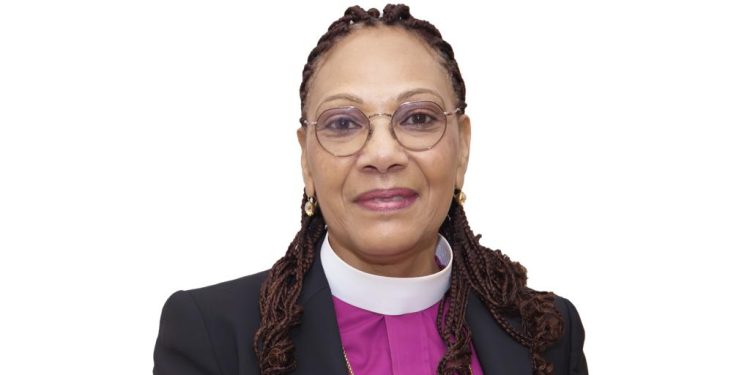
The Chairperson of Crusaders Against Corruption, Bishop Dr Suzanne Nti, says having ethical and visionary leaders is the only way Ghana can overcome its current challenges.
These challenges, she said, include corruption, inflation, and high taxation.
Giving more details, Bishop Dr. Nti said ethical and moral leadership encompasses the principles of honesty, integrity, and fairness in decision-making, while visionary leadership entails having a clear and inspiring long-term goal that guides actions and motivates others.
According to her, when combined, ethical, moral, and visionary leadership embodies a strategic and principled approach to guiding and inspiring individuals towards a common purpose.
"It involves making decisions based on ethical values, considering the impact on stakeholders, and inspiring a shared vision that transcends short-term gains for the greater good. Such leadership fosters trust, promotes innovation, and drives sustainable change by aligning personal values with a compelling vision for the future," she added.
Find her full write up below:
Ethical and visionary leadership is paramount for Ghana to overcome the challenges it faces, including corruption, inflation, and high taxation, some unnecessary e.g. Covid fund, on lowest paid, according to the Chairperson of Crusaders Against Corruption, Ghana, Bishop Dr Suzanne Nti. The current economic situation highlights the urgent need for responsible and visionary leadership.
Ethical and moral leadership encompasses the principles of honesty, integrity, and fairness in decision-making, while visionary leadership entails having a clear and inspiring long-term goal that guides actions and motivates others. When combined, ethical, moral, and visionary leadership embodies a strategic and principled approach to guiding and inspiring individuals towards a common purpose. It involves making decisions based on ethical values, considering the impact on stakeholders, and inspiring a shared vision that transcends short-term gains for the greater good. Such leadership fosters trust, promotes innovation, and drives sustainable change by aligning personal values with a compelling vision for the future.
Ghana's total debt has skyrocketed to 742 billion cedis, with a significant increase happening in just 8 years under the NPP government, adding 620 billion cedis. Unfortunately, the massive debt hasn’t translated into meaningful transformation for the country. The mismanagement of funds is evident, with alarming reports of misused resources:
- 52 billion cedis went missing in 2020.
- The Bank of Ghana faced a loss of 60 billion cedis.
- An excessive amount of over 58 million dollars was allocated to Akufo Addo’s Cathedral project.
- Alleged expenditure of 2.9 billion on planting for food and jobs.
- Despite borrowing substantial sums, Ghana struggles with debt defaults.
- The exchange rate reaching a high of over 15 cedis to a dollar.
- Unemployment soaring to a record high of 14.7%.
- Ghana’s economy downgraded to junk status.
- Inflation hitting record highs.
- Fuel prices escalating, with one gallon costing 70 cedis.
- Handing over of key infrastructure development projects by public servants to foreign entities with low or no citizen participation.
- Sale of Ghana government land and buildings to public servants at an under value.
To steer Ghana in the right direction, ethical and moral leadership is imperative. Leaders should prioritize transparency, accountability, and integrity in governance. Measures such as effective oversight, stringent anti-corruption policies, and prudent financial management are essential.
A focus on investing borrowed funds wisely into projects that benefit citizens and foster sustainable development is crucial. Prioritizing sectors that create jobs, enhance infrastructure, and boost economic growth can lead to tangible improvements in the country's well-being.
Addressing the root causes of corruption and implementing mechanisms to ensure public funds are used judiciously is key. Holding individuals and institutions accountable for financial mismanagement and promoting a culture of ethical conduct are fundamental steps towards rebuilding public trust and confidence.
Additionally, promoting fiscal responsibility, sound economic policies, and prudent debt management practices are vital in stabilizing Ghana’s economy. Sustainable measures to reduce inflation, bolster employment opportunities, and improve the business environment should be central to the government’s agenda.
By fostering a culture of ethical leadership, rooted in integrity and a genuine commitment to serving the country and its people, Ghana can overcome its current challenges and pave the way for a more prosperous and sustainable future.
Latest Stories
-
NCA announces major voice and data disruption across Northern Ghana due to fibre cuts
27 minutes -
Photos: Housing solutions take centre stage at Day 2 of the 3rd Republic Bank-JoyNews Habitat Fair
59 minutes -
Video: Immunity should be exercised without creating classism – Inusah Fuseini on cocaine bust
2 hours -
Ghana Air Force passes out 293 recruits after six months of intensive training
2 hours -
EOCO vrs Baffour Awuah: EOCO should have secured warrant before arrest attempt at court – Inusah Fuseini
2 hours -
Triple fibre cuts disrupt telecom services across Northern, Oti regions – Sam George
2 hours -
Politicisation could undermine parliamentary probe into cocaine seizures – Dr Osae-Kwapong
2 hours -
EOCO chases MP: Can Section 41 cure lacuna in EOCO Act? – Inusah Fuseini asks
2 hours -
GNFS, GWL inspect fire hydrants in Ministries enclave; 23 found faulty
2 hours -
Gov’t directs release of 50,000 bags of grain to ECOWAS
2 hours -
Ghana, Germany deepen cooperation on railways, labour mobility
2 hours -
Huge crowds greet Pope in Paris for open-air Mass
2 hours -
Ghana’s Charles Amofah Elected Vice President of African Bowling Federation
3 hours -
‘I never said I’ll declare a state of emergency’ – President Mahama on galamsey
3 hours -
Bobby Banson condemns EOCO’s attempted arrest of Nana Agyei Baffour Awuah
3 hours