


Audio By Carbonatix
Ghana is set to roll out its locally produced tetanus-diphtheria vaccines by 2026, marking a major milestone in the country’s quest for vaccine self-sufficiency and improved public health security.
The move forms part of the government’s broader strategy to reduce reliance on imported vaccines and strengthen domestic production capacity under the National Vaccine Institute (NVI).
The initiative is expected to ensure a steady supply of essential vaccines and enhance Ghana’s preparedness against future health emergencies.
It also aligns with the government’s long-term vision to achieve vaccine self-sufficiency under the National Vaccine Institute (NVI) project launched in 2021.
The Chief Executive Officer (CEO) of the National Vaccine Institute (NVI), Dr. Sodzi Sodzi-Tettey, said production processes were already underway, with the country’s vaccine manufacturing plant making significant progress.
“By 2026, Ghana will not only be producing tetanus vaccines locally but will also have the capacity to export to other African countries,” he said.
Dr Sodzi-Tettey made these known at the training workshop for selected journalists from across the country on Vaccine Communication and Advocacy, organised by the NIV in collaboration with the Ghana Health Service (GHS) and AMMREN.
He said the project was expected to enhance Ghana’s capacity to respond to infectious diseases and ensure an uninterrupted vaccine supply for the Expanded Programme on Immunisation (EPI).
“This milestone will not only strengthen our health security but also boost public confidence in our national immunisation programme,” Dr. Sodzi-Tettey added.
He said the local production of tetanus vaccines is anticipated to boost immunisation coverage, which targets both children and women of reproductive age.
He explained that Tetanus remained a preventable but potentially fatal disease caused by the Clostridium tetani bacterium and particularly affects newborns and mothers during childbirth in areas with limited access to sterile medical care.
It remained a significant public health concern among newborns and mothers, and though the EPI had helped reduce cases significantly, local vaccine production would make distribution more reliable and cost-effective.
The GHS had emphasised that the initiative would also support other regional countries in West Africa, positioning Ghana as a hub for vaccine production in the sub-region.
The Deputy Programmes Manager of EPI, Dr. Naziru Mohammed Tanko, reiterated the importance of locally produced vaccines, saying they were overdue.
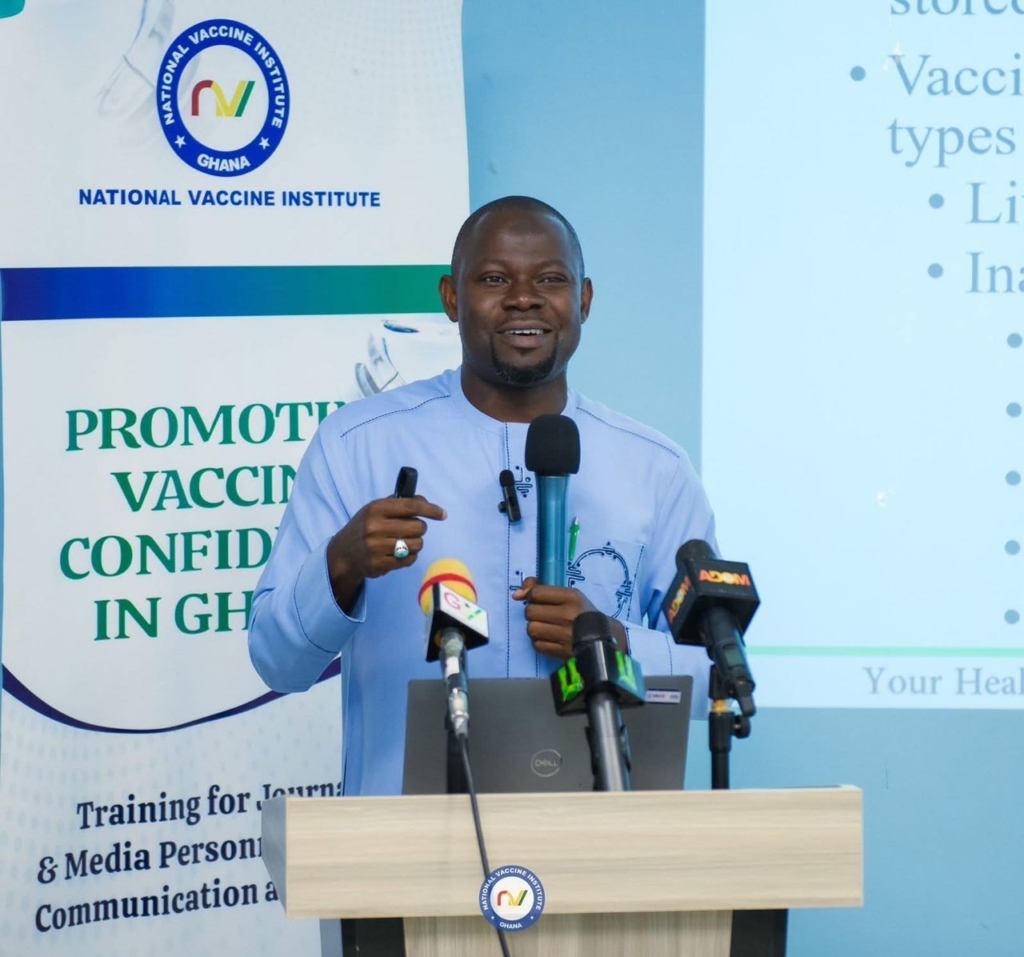
“Local vaccine production means greater control over pricing, accessibility, and emergency response. It’s a strategic investment in national health sovereignty,” he said.
Dr. Tanko believes the 2026 target, if achieved, would mark a turning point in Ghana’s health sector and reinforce the country’s commitment to achieving universal health coverage through sustainable immunisation programmes.
“Once operational, Ghana will become one of the few African nations with the capacity to manufacture and distribute vaccines locally, advancing the Continent’s broader goal of health independence,” he said.
With this bold step, Ghana is positioning itself as a leader in Africa’s vaccine ecosystem, ensuring that lifesaving immunisations, like the tetanus vaccine, are accessible, affordable, and reliably produced within its borders.
Latest Stories
-
Judges’ conference forces further adjournment of Salomey Baffoe case
8 minutes -
GRA assures Tullow of collaboration to settle $393m tax liability without disrupting its petroleum operations
38 minutes -
South Korea demands apology from Pyongyang for landmine blasts that injured three
41 minutes -
Carlos Queiroz not the sort of coach Black Stars need – Nii Lante Vanderpuye
1 hour -
AFCON 2027Q: ‘Our Black Stars team is gone’ – Former Sports Minister
2 hours -
Prof. Prempeh calls for public review of draft constitutional reform bills
2 hours -
AFCON 2027Q: ‘I have never seen a poor performance from Black Stars like against Gambia’ – Nii Lante Vanderpuye
2 hours -
Bawumia backs insurance sector reforms after engagement with IBAG
2 hours -
Nigeria set to launch National Digital Address System 9 years after Ghana showed the way
2 hours -
Policy rate decision takes time to reflect in lower lending rates – BoG
2 hours -
Western Regional Minister applauds Karpowership’s role in Ghana’s power sector
3 hours -
Playback: Road safety crises: Where are we getting it wrong?
3 hours -
Enterprise Life celebrates 25 years of protecting families and building trust
3 hours -
ICC London rules in favor of Ghana against Tullow over $400m tax charge
3 hours -
We are disappointed in ICC’s ruling over our corporate income tax assessment in Ghana – Tullow Oil
3 hours