

Audio By Carbonatix
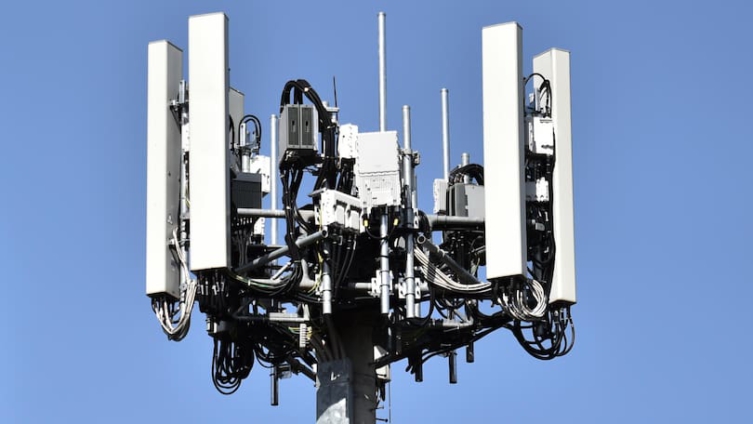
As Ghana prepares to introduce 5G services on November 1, 2024, the nation’s approach to infrastructure is sparking interest and setting it apart on the global stage. Rather than auctioning 5G airwaves to individual telecom providers, Ghana has chosen a shared infrastructure model. This model, facilitated by the government, will allow multiple network operators to access a single, neutral 5G network. Compared to traditional approaches, this setup holds both promising benefits and distinct challenges, all with the potential to impact connectivity, cost-efficiency, and economic growth across the country.
The Shared Network Model: What It Means for Ghana
The shared infrastructure model represents a marked shift from the traditional, competitive spectrum auction process typically seen in markets like the U.S. or the EU. Instead, a single, neutral 5G network will be managed by Next-Gen InfraCo, a government-endorsed consortium responsible for deploying and maintaining the infrastructure. This model is similar to Malaysia’s 5G approach, which aims to reduce redundancy in infrastructure, curb high costs, and promote universal access. By enabling multiple operators to use the same infrastructure, Ghana’s 5G model emphasizes broad and equitable coverage without the financial hurdles that often accompany network rollouts.
Economic Benefits of the Shared Network Model
1. Cost-Effectiveness for Network Operators: Building and maintaining independent networks is highly capital-intensive, especially with 5G’s demands for a dense network of base stations. Ghana’s shared network model will allow telecom operators to avoid costly infrastructure investments, reducing the financial burden and enabling them to focus more on enhancing service quality and customer engagement. With infrastructure costs shared across providers, smaller operators may also find it easier to enter and compete in the market, potentially fostering a more dynamic telecom landscape.
2. Accelerated Nationwide Coverage: By centralising the infrastructure under a single entity, the government aims to ensure consistent 5G coverage across urban and rural areas alike. In traditional models, operators may initially focus on profitable urban areas, leaving rural regions underserved. With a shared model, the goal is to provide faster, more uniform access to 5G technology, which could bridge the digital divide and stimulate economic growth in less-developed regions.
3. Enhanced Economic and Social Opportunities: With high-speed 5G widely available, sectors like healthcare, education, and agriculture can leverage advanced technologies such as IoT, telemedicine, and AI. Rural areas, where agriculture remains a primary industry, could see significant productivity gains by adopting precision agriculture techniques supported by 5G. Additionally, access to high-speed internet could promote education equity, providing students in remote areas with resources comparable to those available in urban centres.
Connectivity Improvements and Digital Inclusion
By reducing the cost of entry for telecom operators, the shared network model may encourage new players in the telecom space, ultimately increasing competition and potentially leading to better services and lower consumer costs. Ghana’s model also emphasises digital inclusion, as universal access to 5G services could dramatically improve internet penetration and digital literacy rates. This inclusivity aligns with the government’s broader vision for digital transformation and economic empowerment, especially in remote and underserved regions.
Challenges Facing the Shared Network Model
1. Reliance on a Single Entity for Network Reliability: With the responsibility for network infrastructure centralised, any operational issues, maintenance delays, or security concerns within Next-Gen InfraCo could have sweeping consequences, affecting all telecom operators relying on the network. This raises concerns about network reliability and highlights the need for rigorous oversight and contingency planning.
2. Potential Stifling of Innovation: In markets where telecom operators build their own networks, competition often drives innovation as each provider strives to differentiate itself. While fostering collaboration, a shared network may reduce competitive pressure to innovate in network management and infrastructure development. Ghana’s regulators may need to implement policies that incentivise innovation within the shared network framework.
3. Complexity of Regulatory Oversight and Management: Effective regulation is crucial to the success of a shared infrastructure model. Ensuring fair access for all operators, maintaining network neutrality, and safeguarding against monopolistic practices are essential to keeping the model competitive. Additionally, the model may require new policies to address technical challenges, data security, and customer privacy, which could increase the regulatory burden.
4. Long-Term Financial Viability: The success of the shared model also hinges on the financial stability of Next-Gen InfraCo. If the consortium faces funding challenges or fails to attract investment, the entire network’s sustainability could be jeopardized, affecting long-term 5G availability. Proactive financial management and support from stakeholders, including the government, will be critical to mitigating this risk.
Looking Ahead: A Model of Promise and Experimentation
Ghana’s shared network model for 5G deployment represents both a bold experiment and a hopeful promise for enhanced connectivity and inclusivity. If successful, it could provide a blueprint for other countries facing similar economic and geographic challenges. For now, the shared network’s impact on Ghana’s digital landscape will unfold over time, offering insights into the viability of collaborative infrastructure models in driving connectivity and innovation.
In essence, Ghana’s unique approach could redefine how nations, especially those with large rural populations and limited resources, bridge the digital divide and bring the benefits of 5G to all citizens. With the launch just around the corner, all eyes will be on Ghana’s 5G rollout to see whether the shared infrastructure model can deliver on its promises.
******
The writer can be reached via email at abubakar.ibrahim@myjoyonline.com
Latest Stories
-
Walter Mosley visits W.E.B. Du Bois Centre in Accra: A New York Secretary’s homecoming story on where Du Bois spent his final years.
6 minutes -
MTN set to deploy 5G services after winning spectrum licenses worth US$202m
2 hours -
NPP national elections: 3,000–4,000 police to handle security, traffic in Kumasi – Karbo
4 hours -
Atta Akyea fumes as Manhyia MP is to spend another night in EOCO custody
5 hours -
SSNIT says La Beach clearance was to protect hotel investments, beaches to remain public
6 hours -
APSU congratulates St Augustine’s College after back-to-back National Investment Quiz wins
6 hours -
Renewed flood intervention at Mallam Junction raises hopes among residents, businesses
7 hours -
St Augustine’s College retain National Investment Quiz title after nail-biting grand finale
7 hours -
Education infrastructure investment will drive Banda’s development – Ahmed Ibrahim
7 hours -
Teacher unions strike: Gov’t presents fresh proposals as talks end inconclusively
8 hours -
51,000 teachers’ promotion arrears to be validated for October payment – Education Minister
8 hours -
Kwabena Boamah appointed Board Chair for Impact Investing Ghana
8 hours -
Striking teacher unions to meet Fair Wages and Salaries Commission on October 6
8 hours -
EOCO working with AG to arraign Nana Baffour Awuah before weekend court
8 hours -
Duraplast reassures customers after fire, announces October 5 reopening
9 hours