

Audio By Carbonatix
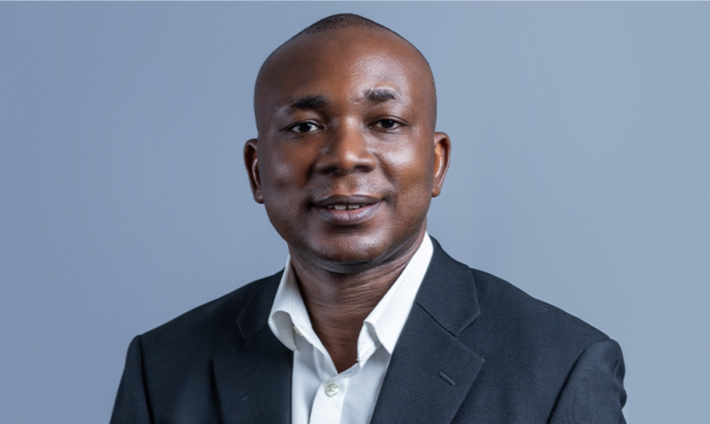
Economist and Professor of Finance at the University of Ghana, Godfred Bokpin, has criticised the government’s approach to illegal mining, arguing that its celebration of gains from gold trading overlooks the severe environmental damage it causes.
Speaking on Joy FM’s Super Morning Show, Prof. Bokpin said Ghanaians voted for a government that would decisively tackle irresponsible mining, commonly known as galamsey, and protect the country’s forests and water bodies.
“This wasn't what we asked for ahead of the 2024 elections. We were asking for a government that would respond to irresponsible mining,” he said, adding that the administration appeared more focused on highlighting the financial gains from gold purchased and exported through the Ghana Gold Board (GoldBod).
"So even if you are counting the gains that we are celebrating today, you also need to take into consideration the huge environmental subsidy in terms of destruction of our water bodies and the rest of them that we are not taking into consideration," he said on Monday, August 24.
"Today, we have magnified the effect of GoldBod to the extent that the discussion about irresponsible mining, the dangers, and the existential threats seems infinitesimal in the face of so-called macro-economy stability," he argued.
His comments came amid controversy over losses associated with the programme. An International Monetary Fund report said the rapid expansion of the Bank of Ghana’s domestic gold purchases resulted in cumulative net policy costs of about US$1.7 billion, representing approximately 1.5 per cent of Ghana’s Gross Domestic Product.
GoldBod and government officials have rejected attempts to classify the entire amount as an operational loss incurred by the Board.
GoldBod maintains that the figure represents policy costs borne by the Bank of Ghana to build reserves and stabilise the cedi, rather than a deficit on GoldBod’s accounts.
The Board said it generated an operational surplus exceeding GH¢900 million while helping to mobilise more than US$10.8 billion in foreign exchange through the formal economy.
It has also cited stronger reserves, reduced gold smuggling and improved currency stability as evidence that the programme is performing well.
Latest Stories
-
Young woman found dead at Kasoa Peace Town
28 minutes -
Livestream: The Law examines lawful arrest in Ghana
53 minutes -
Mahama urges African governments to treat healthcare as an investment, not budget cost
1 hour -
Bawumia congratulates John Boadu and new NPP executives, pledges support ahead of 2028
1 hour -
‘No talent should be left out’ – Bawumia pledges inclusive NPP campaign for 2028
2 hours -
Prof. Mike Oquaye recounts how he blocked Special Prosecutor’s attempt to arrest Bawku Central MP
2 hours -
Make health sovereignty a priority for Africa – Mahama
2 hours -
Dorimon Naa, Wa West DCE lead massive clean-up exercise; threaten sanctions against recalcitrant residents
2 hours -
Photos from Adom FM Y2K Jam
2 hours -
Praye Tiatia steals the show at Adom FM Y2K Jam [Watch]
3 hours -
Boakye Agyarko congratulates John Boadu, pledges support for NPP leadership
3 hours -
Antwi HiMight thrills fans with Antwi ne Antwi hits at Adom FM’s Y2K Jam [Video]
3 hours -
Amb. Edward Boateng congratulates Boadu, Kodua on election wins
3 hours -
John Boadu pledges to rebuild NPP from grassroots and restore ‘winning machinery’
3 hours -
Ashaiman Assembly deploys monitoring system to curb dumping in storm drain
4 hours