

Audio By Carbonatix
Ghana’s 2026 Budget has placed renewed emphasis on capital expenditure, with strategic allocations aimed at revitalising infrastructure and boosting the energy sector to support industrialisation and the government’s 24-hour economy initiative.
According to the budget document, total expenditure for 2026 is projected at GH¢302.5 billion, representing 18.9% of GDP, with a significant portion dedicated to capital projects under the Big Push Infrastructure Programme and energy sector reforms.
The government has earmarked GH¢30 billion for the Big Push Programme, which will fund strategic road and bridge construction across the country.
Key projects include the Accra–Kumasi Expressway, designed to reduce travel time by 50% and create over 30,000 jobs, and the Adawso–Ekye Amanfrom Bridge, expected to unlock the agricultural potential of the Afram Plains.
“The Big Push is not just an infrastructure drive, it is a nation-building vision,” the Finance Minister noted. “We are connecting people, markets, and opportunities to ensure growth is shared across every region.”
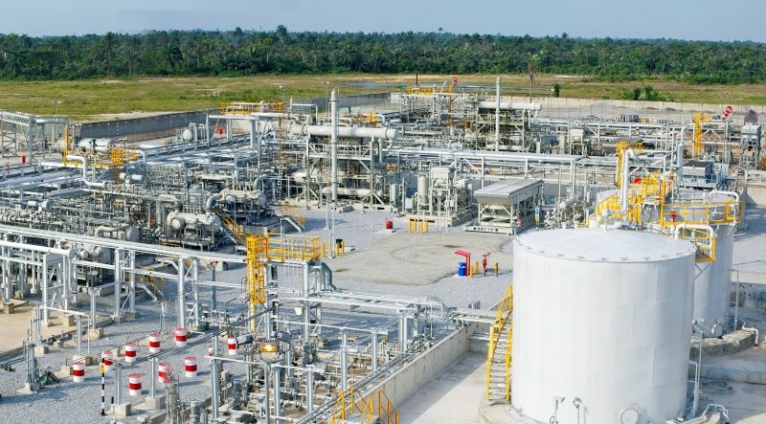
In the energy sector, the government is prioritising affordable and reliable power supply through gas-to-power reforms, renewable expansion, and rural electrification.
An allocation of GH¢15.2 billion has been made for energy sector shortfall payments, alongside GH¢4.8 billion for clearing legacy Independent Power Producer (IPP) debts.
Additionally, GH¢2 billion has been set aside for the Rural Electricity Acceleration and Urban Intensification Initiative, which aims to expand nationwide access to electricity.
Energy initiatives also include new gas supply agreements with ENI and Jubilee partners, projected to add over 150 million standard cubic feet of gas per day, while transitioning from light crude oil to natural gas to cut power generation costs by up to 75%.
Overall, the 2026 Budget reflects a deliberate shift toward productive and growth-enhancing investments, positioning infrastructure and energy as the backbone of Ghana’s economic transformation agenda.
“Every cedi borrowed will deliver value, every repayment will build confidence, and every reform will secure Ghana’s fiscal future,” the Finance Minister affirmed, reinforcing the government’s commitment to fiscal prudence and sustainable development.
Latest Stories
-
ICU urges GHABA members to transform hairdressing skills into sustainable enterprises
13 minutes -
Ghana eyes stronger trade ties as Australia hosts multicultural trade and investment forum
23 minutes -
Margaret-Marie Krakue
26 minutes -
Ayariga announces plans for live broadcast of MMDAs’ meetings on local radio stations
29 minutes -
Mrs Anna Tackie
31 minutes -
Ghana links Afghan heroin and Brazilian cocaine to global drug markets – Global Organised Crime Index
38 minutes -
NHIA launches nationwide inter-school quiz to deepen students’ knowledge of NHIS
44 minutes -
Political protection could be masking Ghana’s cocaine trade – Global Organised Crime Index
49 minutes -
AFCON 2027Q: ‘We have to dissolve the GFA’ – Effia MP after Black Stars lose to Gambia
51 minutes -
NPP announces voting schedule and ID requirements for October 3 national elections
53 minutes -
Lupus can mimic HIV symptoms and damage kidneys if untreated – KNUST expert
56 minutes -
Focus on Sickle Cell Foundation seeks to introduce sickle cell education through comics in Ghanaian schools
1 hour -
NPP rewrites the campaign playbok as opposition reality shapes National Executive contest
1 hour -
Road safety education will fail without enforcement – NRSA boss
1 hour -
Daily Insight for CEOs: Finishing Q3 strong and entering Q4 with purpose
1 hour