

Audio By Carbonatix
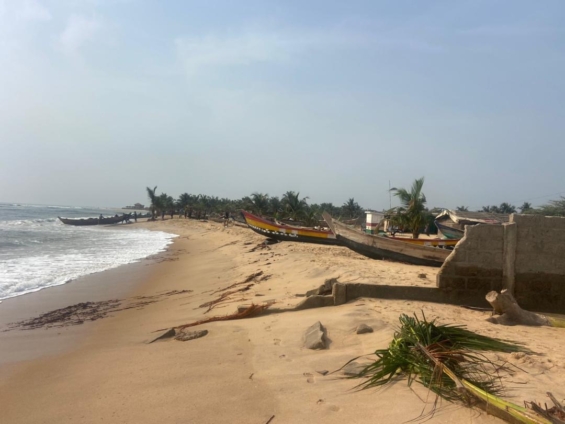
As the sun sets over the Gulf of Guinea, the waves kiss the battered shorelines of Salakope, a once-thriving fishing village in the Ketu South Municipality now struggling with dwindling catches and climate devastation. Amid the challenges, one voice stands tall — Torgbui Anumu Tettey, the revered traditional leader and Chief Fisherman of Salakope.
“These seas are not just water,” Torgbui says, standing near the canoe landing site. “They are memory. They are inheritance. They are blood.”

Torgbui has witnessed it all: the golden days when fish were abundant, the erosion of shorelines due to rising tides, and now the silent invasion of industrial trawlers that threaten both livelihoods and culture. For him and many others, Ghana’s Inshore Exclusive Zone (IEZ) — now expanded under the new Fisheries and Aquaculture Act — offers a last chance at reclaiming their dignity.
“The 12-nautical mile boundary is sacred,” Torgbui asserts. “Let no one encroach again. Not the Chinese trawlers, not their Ghanaian collaborators. Let the law be enforced — or let our nets rot in protest.”
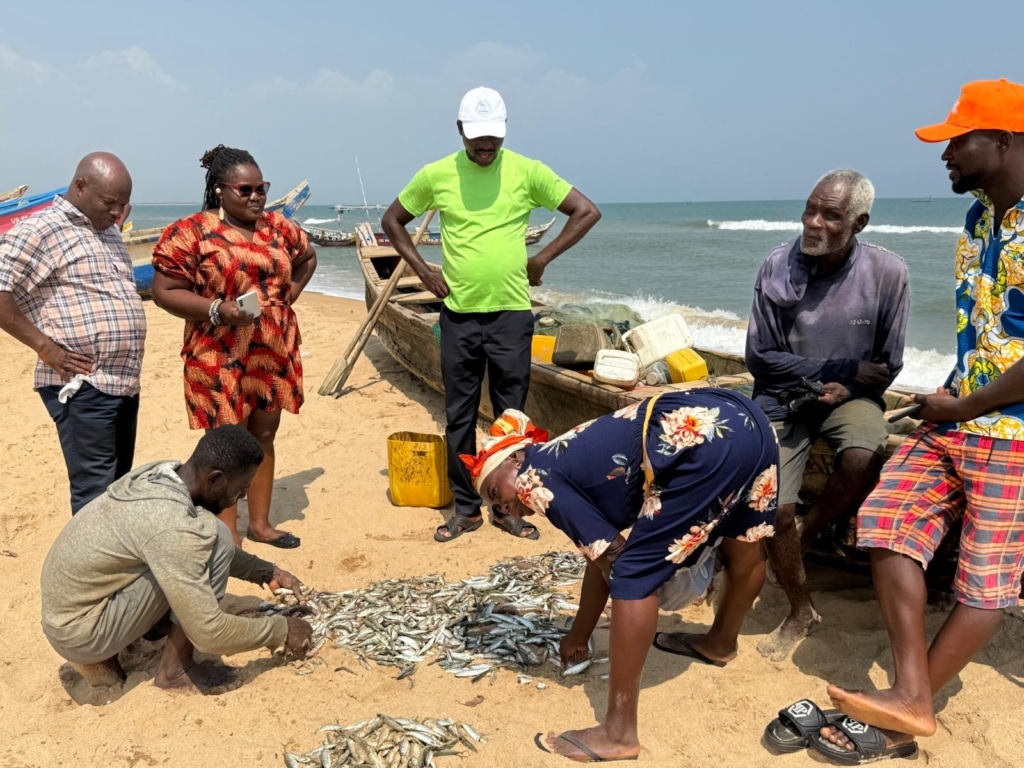
From Dzelukope to Keta to Woe, the fisherfolk echo similar concerns. In Keta, canoe owner and fisherman Kojo Datsomor explains how the intrusion by trawlers has altered fish behavior and reduced yields.
“We now travel farther for fewer fish,” he says. “Some days, we come back with nothing. Our children wait for food that never comes.”
The situation is pushing families to the brink. Children drop out of school, women migrate in search of alternative work, and coastal economies that once thrived are now dependent on external aid.
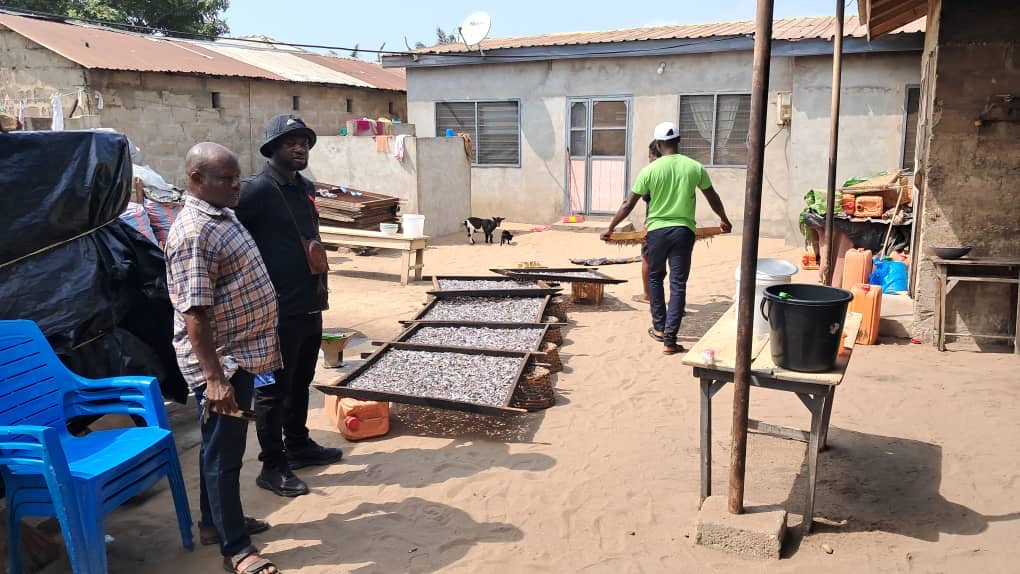
The IEZ expansion — if truly enforced — could act as a barrier between artisanal fishers and destructive industrial operations. But many doubt the government’s resolve, especially in the face of reported lobbying by powerful interests.
“We are watching,” Torgbui Anumu Tettey warns. “If they revoke the expansion or fail to implement it, we will mourn the sea as we mourn a dead chief.”
It’s not just a livelihood issue — it’s a cultural battle. In these coastal communities, fishing is a rite of passage, a spiritual rhythm passed from father to son. The sea is both a provider and a sacred entity.

In Keta, young fisher Yaw Amegashie says he’s torn between continuing his father's trade or leaving for Accra. “My heart is here,” he says, “but my pockets say otherwise.”
And that’s the reality Ghana faces. Without strong enforcement of the IEZ and greater protections for small-scale fisheries, the country risks losing both its marine resources and the cultural soul tied to them.
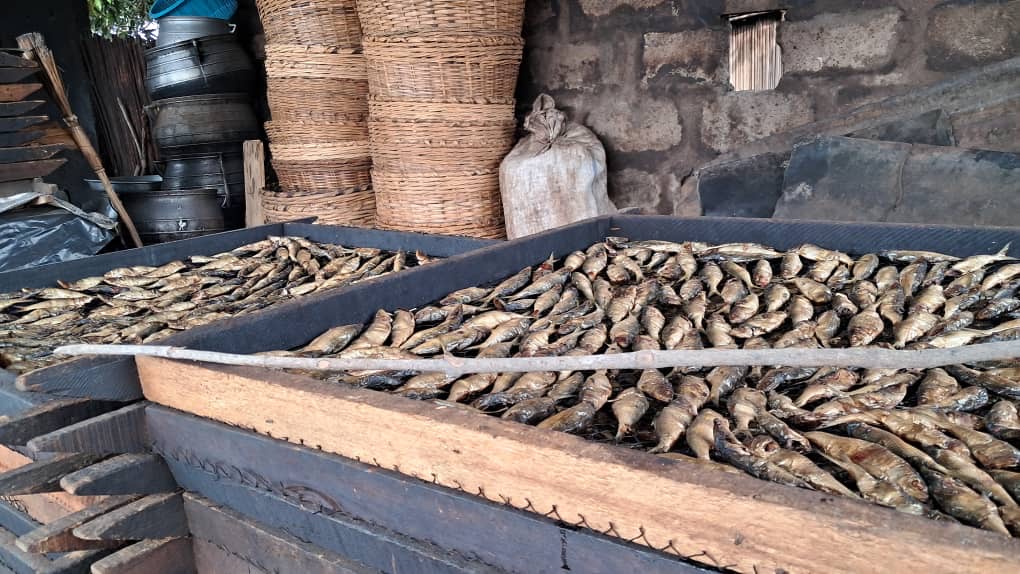
“Protecting the IEZ is protecting Ghana,” says Torgbui. “Let us not betray our people for profit.”
The call from Volta’s fisherfolk and chiefs is clear: enforce the law, push trawlers back, and return the sea to its rightful guardians.
Latest Stories
-
Community 25 residents demand answers over two-month water shortage
15 minutes -
Ampem Darkoa Ladies and Hasaacas Ladies clash in 2026 Women’s Champion of Champions
21 minutes -
Business dies when luxury takes over leadership
37 minutes -
No family should lose everything to save a loved one – GMTF administrator
39 minutes -
Bawumia has the dignity to lead and the vision Ghana needs – Gabby
54 minutes -
GOC, GFA chart Olympic qualification roadmap for Black Queens, Black Meteors
55 minutes -
Absa InspireMe 2026 highlights opportunities for women-led business growth
56 minutes -
The only thing that flows regularly is THE BILL
1 hour -
KGL U17 Colts 2026: Prempeh Elite Academy lead Group A as Western Region secures top spot in Group B
1 hour -
‘You’ve never been touched by any scandal’ – Gabby celebrates Bawumia on his 63rd birthday
1 hour -
WPL 2026/27: GFA unveils dates for start of new season as Ampem Darkoa Ladies begin title defence
1 hour -
Ghana Embassy in Washington pays tribute to late academic Dr Kofi Akamani
1 hour -
Ibrahim Mahama urges Ghanaians to overcome fear and venture into business
1 hour -
2026 U-17 WWC: Black Maidens lose to China in pre-tournament friendly
2 hours -
Who gave Gbande the EOCO remote control?
2 hours