

Audio By Carbonatix
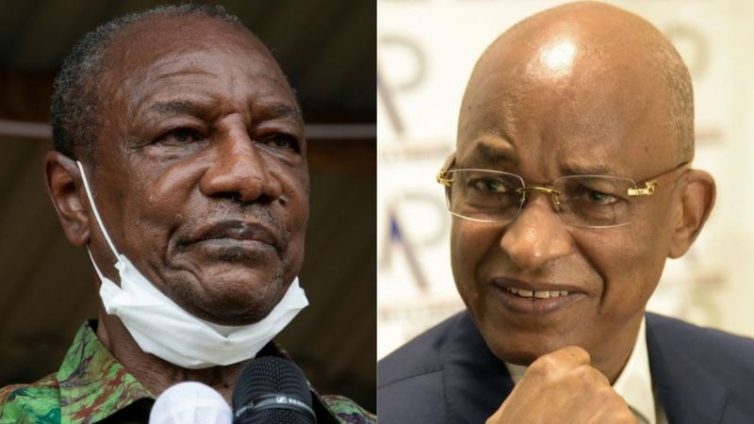
Voters in Guinea are casting their ballots in a controversial election which see President Alpha Condé, 82, seek a third term.
The already bitterly divided West African country was gripped by tension on Friday after gunmen killed a senior army officer in a military camp.
Mr Condé ignored critics to push for a change of constitution that allowed him to extend his stay in office.
His main challenger is Cellou Dalein Diallo, who he has twice defeated.
Ethnic clashes during the campaign have raised fears of nationwide violence if the results are disputed.
The government has closed the borders with some neighbouring countries, citing security reasons.
Some 5.4 million voters eligible to vote. Results are not expected for several days.
Candidates need more than 50% of the vote for outright victory, or there will be a second round on 24 November.
Fears of military divisions
Guinea has been beset by authoritarian and military rule since independence. There have been some fears that the army might be getting involved in politics again.
On Friday, the minister of defence issued a statement saying that a group of soldiers had entered a military camp in Kindia, a city 130km (80 miles) east of the capital Conakry, and killed its commander, Col Mamady Condé.
Some reports spoke of an army mutiny, but the authorities later said they were in control and that a search was underway to find the soldiers.
Who is Alpha Condé?
Mr Condé was a veteran opposition leader who finally won elections in 2010, marking the first genuinely democratic handover in Guinea since independence.
He served jail time for challenging General Lansana Conté, who ruled from 1984 to his death in 2008.
He has campaigned on his economic record and prospects that Simandou, one of the world's largest untapped iron-ore deposits, might finally be exploited - creating thousands of jobs.
But critics say that any economic growth has not filtered down to the bulk of the population.
A new constitution was approved in a referendum in March. Mr Condé argues this means he is allowed to seek re-election, even though he had already served the maximum of two terms allowed under the previous constitution.
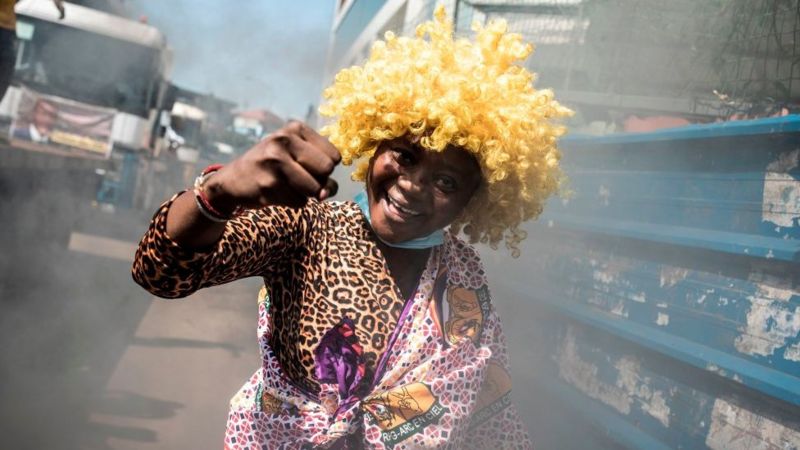
The opposition disputes this and street protests have led to dozens of deaths over the past year.
Who is his main challenger?
Cellou Dalein Diallo, 68, a former prime minister, is the only formidable opponent. He lost to Mr Condé in both 2010 and 2015, although he says both elections were marred by widespread fraud.
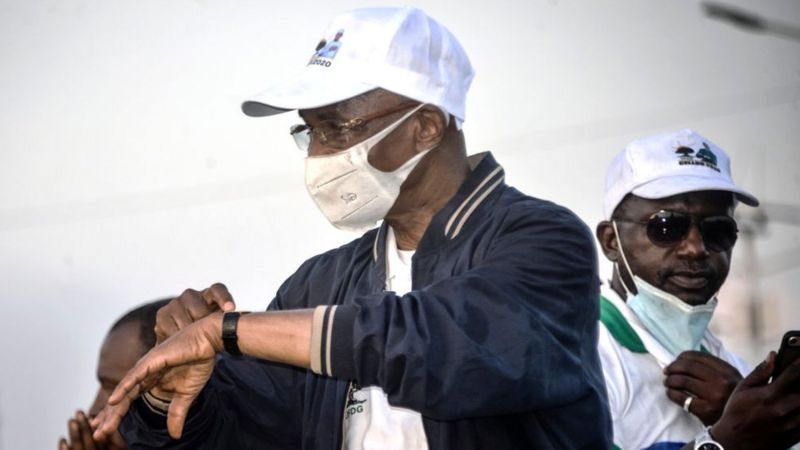
He is a member of the Peul, or Fulani, Guinea's largest ethnic group. The country has never had a Peul president and many ethnic Peuls say their community has faced discrimination, dating back to the days of President Sékou Touré, when thousands fled the country.
Mr Condé is largely backed by members of his Malinké community, as well as the country's third major ethnic group, the Soussous.
He and other opposition figures in the National Front for the Defence of the Constitution (FNDC) had vowed to boycott an election which they felt could never be fair.
But in early September Mr Diallo broke with the FNDC, announcing that he would run after all.
Latest Stories
-
Christian Council calls for protection of mission schools’ religious identity
11 minutes -
Mahama holds discussions with India’s External Affairs Minister
17 minutes -
Even when you cough, they come after you — Abanga accuses Mahama govt of criminalising free speech
23 minutes -
Mahama Ayariga proposes bank-adopted streets as part of stronger public-private partnership
31 minutes -
NPP will impose $500m bail bond on NDC offenders if we return to power — Abanga
38 minutes -
Gov’t begins 175-hectare Anunuso irrigation project to raise rice production
49 minutes -
Mahama Ayariga urges banks to take responsibility for beautifying public spaces
56 minutes -
I plan to secure 70 ‘orphan’ parliamentary seats for NPP — Abanga
1 hour -
Annoh-Dompreh brokers talks as Zoomlion pledges support for Adipa communities
1 hour -
Account for the old economy before selling us a new one
1 hour -
Abanga sets 4 million youth-vote target for Bawumia ahead of 2028 election
2 hours -
Gold edges lower with focus on Fed minutes, rate path clues
2 hours -
Oil prices rise as storms and air strikes threaten supply
2 hours -
Nigeria nears 2,000 repatriations from South Africa after latest evacuation flight
2 hours -
‘How can an office…close at 5pm?’ – Abanga questions 24-Hour Economy
2 hours