


Audio By Carbonatix
From unbearable pain to joy, lost hope to celebration, and stigma to social acceptance -- this is the life-changing story of children with clubfoot conditions under the management of the Christian Health Association of Ghana (CHAG).
Thanks to the Association, Hope Walks, and the Clubfoot Program, these children with walking impairments are now hopping and moving freely, unaided.
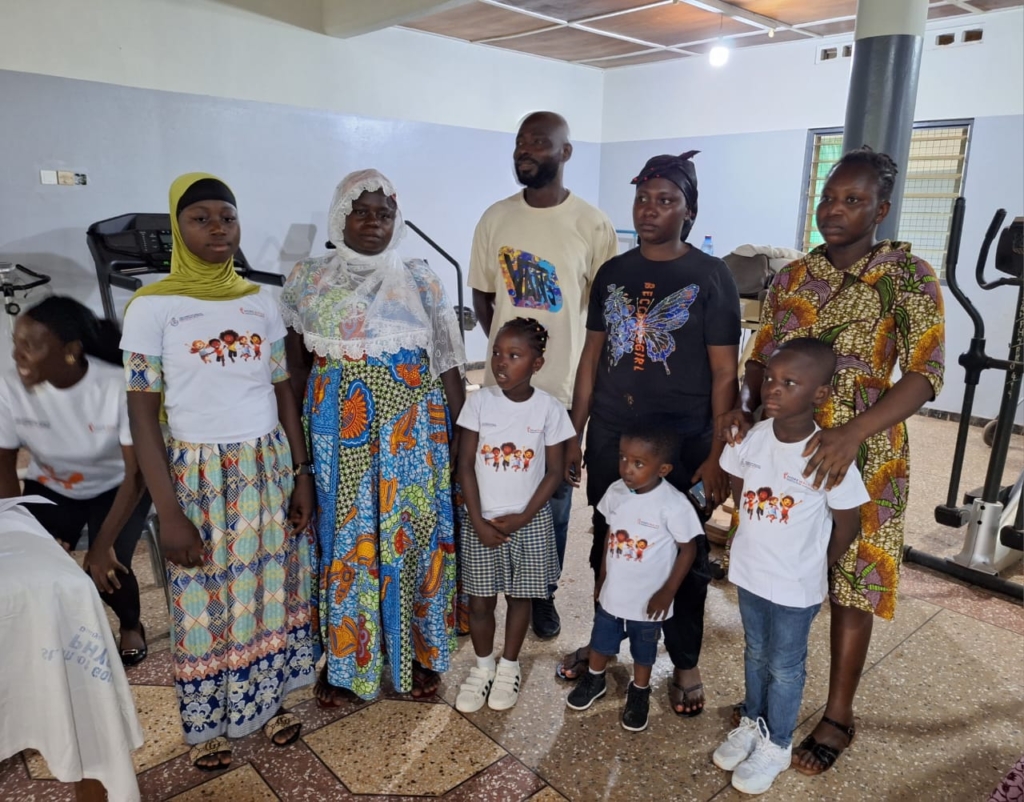
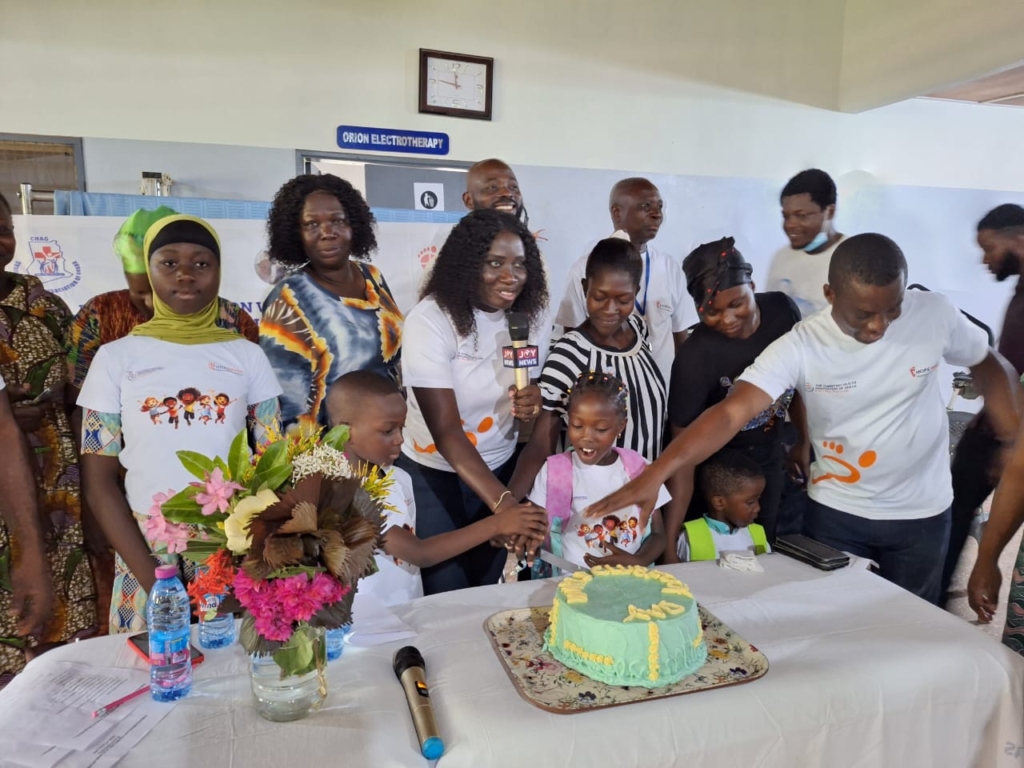
Dignitaries and representatives of stakeholder institutions joined the staff of the St John of God hospital on two missions -- to celebrate World Clubfoot Day 2025 and witness a ceremony to discharge the healed children.
As part of activities to mark 2025 World Clubfoot Day, held on June 3 annually, the St John of God hospital in Duayaw-Nkwanta in the Ahafo, CHAG and the Hope Walks, raised awareness on the condition.
The team also shared success stories of children who have been treated for clubfoot and are now living normal, productive lives and also used the day to express gratitude to medical professionals who helped in the healing process.
Clubfoot is a birth defect in which the foot is twisted out of shape or position. The cause of clubfoot is unknown. Babies with clubfoot are usually otherwise healthy.
In clubfoot, the foot appears twisted and can even look as if it's upside down.
Treatment is usually successful. It includes stretching and casting (Ponseti method) or stretching and taping (French method). Sometimes, surgery is required.
Every three minutes, a child is born with clubfoot. Though it cannot be prevented, clubfoot is highly treatable using a simple and effective method involving a series of casts and braces.
With early diagnosis and proper care, children born with clubfoot can grow up to walk, run, and live full lives on completely straight feet.
Nana Afua Adutwumwaa Adjetey, the Country Program Manager, Ghana Clubfoot Program, said the Program, led by CHAG and supported by Hope Walks, achieved significant milestones in the management of the condition in 2024.
The Programmes Manager said 346 new children enrolled, exceeding national targets by 15 per cent, 547 unique patients supported across clubfoot partner clinics, and 252 children received their first brace, achieving a 79 per cent first brace rate.
She added that the team in 2024 recorded 3,334 clinic visits, 2,584 caregiver counselling sessions, and 58 home visits conducted, and over 600 health professionals were trained in Early Detection and Referral (EDR).
Nana Afua Adutwumwaa, who is also the Program Manager for Hope Walks and CHAG, stated that "media and public engagement efforts were intensified, amplifying the clubfoot message nationwide".
When discharging the healed children, she said treatment is fully free and that she implored parents and guardians not to hide children with clubfoot from seeking early intervention, noting that "the earlier, the better".
The Programmes Manager further urged government and other key stakeholders in the sector to increase treatment access worldwide to ensure quality healthcare services for the condition.
She advocated for access to support organisations working to provide treatment in developing countries, and encouraged policymakers to prioritise clubfoot treatment funding and access, and raise awareness about the economic and social impact of untreated clubfoot.
Dr Tsibo-Takyi, the Medical Director, St John of God Hospital, stated that the facility has successfully treated and discharged more than 1,000 children, saying that the condition is purely scientific and not spiritual.
He entreated health professionals, journalists, parents and teachers, among other stakeholders, to be Ambassadors for the clubfoot condition to ensure that no child is left out of the healing process.
The Medical Director cautioned the public against social stigma against persons affected by the condition, adding that "together we can make our society a better place of abode".
Sis Faustina Anarkwa, the Administrator, St John of God hospital, admonished fathers to support women during and after the treatment process to reduce the burden on caretaker mothers.
She also emphasised the importance of early detection to ensure early treatment of the condition among children in order to have a positive impact on life.
The 2025 World Clubfoot Day, held on the theme "Living without disability caused by untreated clubfoot", is also a chance to honour Dr lgnacio Ponseti, who developed the Ponseti Method, a non-surgical treatment for clubfoot.
A parent of a beneficiary child, Ophilia Sarpong, expressed gratitude to medical officers of St John of God hospital who exhibited resilience, love and professionalism during and after the healing process.
From pain to walking in freedom, lost hope restored, and smiles on the faces of mothers and caregivers, this is the success story of the Christian Health Association of Ghana and Hope Walks.
Latest Stories
-
Ghana Faces Sierra Leone Moment as Prosecutorial Powers come under strain
6 minutes -
Don’t consume fish or seafood from Tema Shipyard until further notice – FDA warns
11 minutes -
Why volunteering might be Africa’s most underrated career accelerator
17 minutes -
ActionAid Ghana raises concern over gender gaps in Feed Ghana Programme
19 minutes -
Windstorm wreaks havoc in Gushegu, displacing nearly 2,000 residents and damaging schools
21 minutes -
Friends of Bridget Bonnie Marks her 35th birthday with donation to Kasseh Model Health Centre
1 hour -
From Ekumfi Kokodo to the Pulpit Stage: Essi Donkor’s gospel journey takes shape
1 hour -
Landfilling waste management creates no value, it’s an economic waste
2 hours -
Photos: Speaker Bagbin Commissions MPs constituency office under parliamentary decentralisation programme
2 hours -
Black Stars technical advisor Winfried Schäfer sacked as GFA shakes up backroom staff
2 hours -
Wenchi water project almost complete, critical to gov’t agenda – GWL MD
2 hours -
Anti-LGBTQ+ bill not part of government’s legislative agenda – Inusah Fuseini
2 hours -
Anti-LGBTQ Bill: Forget the rumour mongers, I’m a man of action, and will pass the bill – Speaker
3 hours -
Women and children among those killed in Sudanese army shelling of wedding celebration
3 hours -
President Mahama is not sincere with Ghanaians on LGBTQ bill matter – Hassan Tampuli
3 hours