


Audio By Carbonatix
A new vaccine against HIV, the virus that causes Aids, is being tested in South Africa in what scientists say is the first large study of an HIV vaccine's effectiveness since 2009.
The study aims to enrol 5,400 sexually active young men and women.
About seven million people in South Africa are living with the virus, which is one reason why the trial is taking place there.
Experts hope the vaccine will be "the final nail in the coffin" for HIV.
The vaccine regime being tested is based on one used in a trial in Thailand in 2009, which had a protection rate of about 30%. Results from South Africa are expected in four years.
Since the HIV virus was identified in 1983, efforts to develop an effective vaccine have proved unsuccessful.
Researchers hope that this might come to an end with the current study, which is code-named HVTN 702.
It is being led by South Africa's Glenda Gray, a university research professor and head of South Africa's Medical Research Council.
"It will tell us whether the initial success observed [at a smaller scale] will bear fruit in the form of a safe and effective HIV vaccine designed for the people of southern Africa," Dr Gray said.
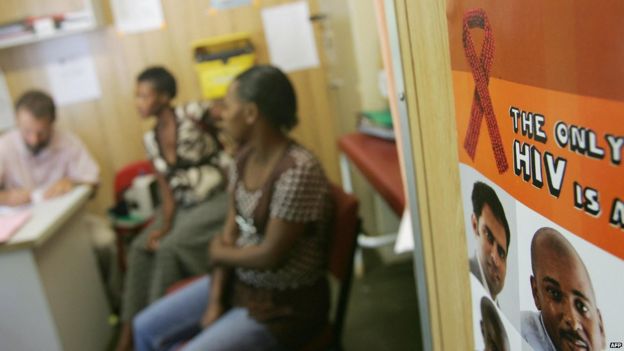
According to the United Nations, more than 30 million people have died from Aids since the 1980s.
Recent breakthroughs in anti-retroviral treatments have improved the lifespan of Aids patients.
However, the only effective prevention remains abstinence or the use of barrier methods such as condoms during sexual intercourse.
'Making history'
As part of the present trial, study participants will receive a total of five injections over one year, says the US National Institutes of Health (NIH), which is sponsoring the trial.
Awethu Benenengu, a 20-year-old construction worker, who is one of the participants in the trial, told the BBC's Nomsa Maseko in Johannesburg that he volunteered because he wanted to help defeat Aids.
"I decided to get involved because I don't like the way my HIV-positive cousin is treated," Mr Benenengu said.
"There is so much stigma. I want to be part of a generation that changes this and I want my children to be proud one day of their father for getting involved in making history."
Participants who become infected with HIV during the trial will be referred to local medical providers for care and treatment, NIH adds.
They will be advised on how to reduce their risk of transmitting the virus.
Latest Stories
-
NCA announces major voice and data disruption across Northern Ghana due to fibre cuts
11 minutes -
Photos: Housing solutions take centre stage at Day 2 of the 3rd Republic Bank-JoyNews Habitat Fair
43 minutes -
Video: Immunity should be exercised without creating classism – Inusah Fuseini on cocaine bust
1 hour -
Ghana Air Force passes out 293 recruits after six months of intensive training
1 hour -
EOCO vrs Baffour Awuah: EOCO should have secured warrant before arrest attempt at court – Inusah Fuseini
1 hour -
Triple fibre cuts disrupt telecom services across Northern, Oti regions – Sam George
2 hours -
Politicisation could undermine parliamentary probe into cocaine seizures – Dr Osae-Kwapong
2 hours -
EOCO chases MP: Can Section 41 cure lacuna in EOCO Act? – Inusah Fuseini asks
2 hours -
GNFS, GWL inspect fire hydrants in Ministries enclave; 23 found faulty
2 hours -
Gov’t directs release of 50,000 bags of grain to ECOWAS
2 hours -
Ghana, Germany deepen cooperation on railways, labour mobility
2 hours -
Huge crowds greet Pope in Paris for open-air Mass
2 hours -
Ghana’s Charles Amofah Elected Vice President of African Bowling Federation
2 hours -
‘I never said I’ll declare a state of emergency’ – President Mahama on galamsey
3 hours -
Bobby Banson condemns EOCO’s attempted arrest of Nana Agyei Baffour Awuah
3 hours