

Audio By Carbonatix
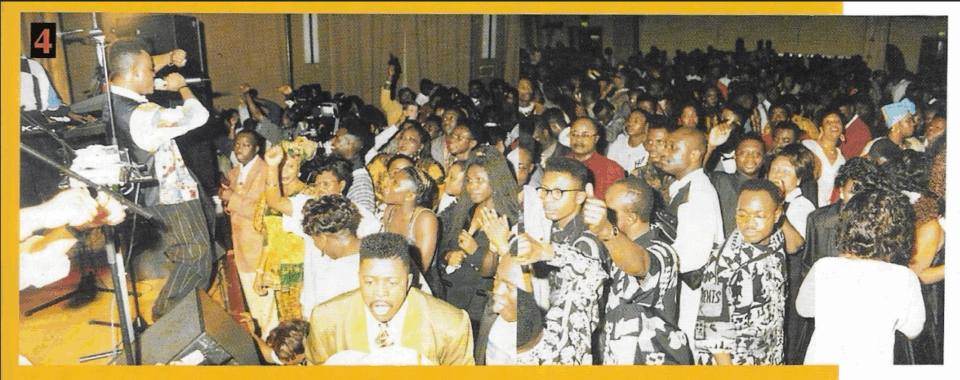
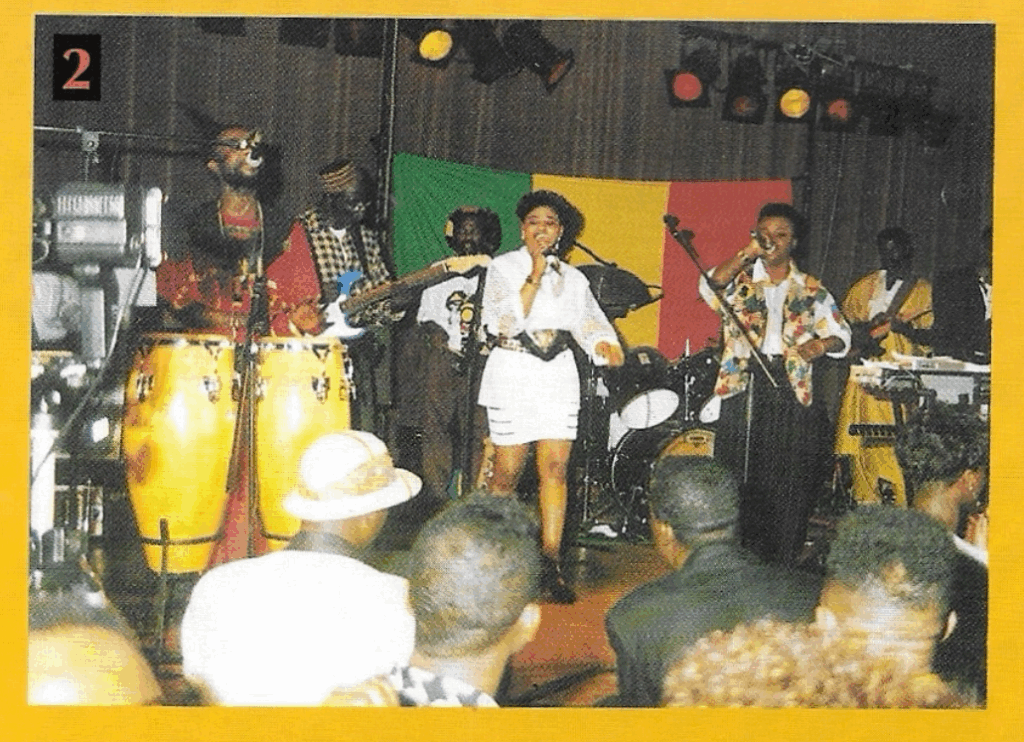
I met Charles Kwadwo Fosu, affectionately known as Daddy Lumba, in 1992 when I interviewed him for the debut issue of the first Black Magazine in Germany, a publication I had founded to spotlight African voices in the diaspora. That encounter turned out to be far more than a journalistic assignment; it was the beginning of a lifelong friendship. Not long after, we embarked on a concert tour across Hamburg, Düsseldorf, and Amsterdam, with Lumba’s background vocalist, Afia Ampofowaa, on stage. I had the honour of managing that tour, and the performances were unforgettable—each city welcoming us with sold-out venues and electric crowds. Lumba was undoubtedly a star, but to me, he was more than that. He was a brother, a fellow "Borga" navigating life in a foreign land, and above all, a friend. And today, with a heavy heart, I write not just as a journalist, but as someone who loved him and his music deeply.
On Saturday, July 26, 2025, Ghana lost one of its greatest and most enduring musical icons. Daddy Lumba passed away at the Bank Hospital in Accra at the age of 60. As the country prepares to lay him to rest, I believe we owe him one final act of honour: the conferment of a posthumous Doctor of Philosophy (PhD) by one of Ghana’s prestigious universities.
Daddy Lumba was more than a musician. He was a philosopher who used melody as a medium and lyrics as literature. Over a career spanning more than three decades, with over 30 albums and 200 songs, he chronicled the soul of Ghana.
His music addressed not only love and heartbreak but also migration, identity, spirituality, morality, and politics. With the richness of Akan proverbs and social insight, Lumba’s lyrics reflected the lived experiences of ordinary Ghanaians and offered lessons that rival the wisdom found in any academic lecture hall.
That is why I believe Ghanaian universities must consider recognising Lumba’s legacy through a posthumous doctorate.
Across the world, academic institutions confer such honours on individuals who have made transformative contributions to culture and society, even outside traditional scholarly spaces. Daddy Lumba’s music has served as a bridge between generations, between Ghana and its diaspora, and between oral tradition and contemporary expression. His body of work is an archive of Ghanaian thought, identity, and resilience—worthy of scholarly distinction.
This is an opportunity for institutions like the University of Ghana, KNUST, the University of Cape Coast, and the University of Education, Winneba, to lead by honouring not just a man, but a movement.
Faculties of Arts, African Studies, Performing Arts, and Ghanaian Languages can collaborate to appraise his contributions through an academic lens and recommend the awarding of a Doctor of Philosophy in Cultural Studies, Music, or Indigenous Knowledge Systems.
The timing is critical. As plans are made for a state-assisted funeral, conferring the doctorate before his burial would allow the nation to bid farewell not only to a music legend but to a recognised scholar of Ghanaian culture. The degree would be more than a title; it would be an acknowledgement that the wisdom expressed through our music and oral traditions holds equal value to that in academic texts.
Earlier this year, in March 2025, Daddy Lumba’s classic hit “Mpempem Do Me” was featured on King Charles III’s Commonwealth Day playlist—a historic recognition of his global relevance. The German Embassy in Ghana also paid tribute to him, highlighting the role that Germany played in shaping his Borga highlife style, a musical blend that resonated with diasporans across Europe and Africa. These international acknowledgments speak volumes, but the highest honour must come from home.
In Ghana’s Parliament, he was hailed as a “cultural compass.” Presidents and political leaders across parties have paid tribute to him. But beyond political commendation, academic recognition would immortalise Lumba in the nation’s intellectual and cultural history. It would send a clear message to generations to come that artistry, especially in African forms, is scholarship in its own right.
As I reflect on our journey together—from that first interview in Germany to the unforgettable tours and countless conversations—I am filled with both pride and pain. Pride for what he gave the world, and pain that he is no longer with us. But I also feel a sense of duty, to ensure that his memory is etched not only in our hearts but in the records of our national institutions.
Let Ghana rise to the occasion and grant Charles Kwadwo Fosu the honour he truly deserves. Let us not bury only a star, but celebrate a scholar. Let him be laid to rest as Dr. Charles Kwadwo Fosu, a man whose music educated, inspired, and united us all.
Latest Stories
-
Photos: Housing solutions take centre stage at Day 2 of the 3rd Republic Bank-JoyNews Habitat Fair
18 minutes -
Video: Immunity should be exercised without creating classism – Inusah Fuseini on cocaine bust
51 minutes -
Ghana Air Force passes out 293 recruits after six months of intensive training
59 minutes -
EOCO vrs Baffour Awuah: EOCO should have secured warrant before arrest attempt at court – Inusah Fuseini
1 hour -
Triple fibre cuts disrupt telecom services across Northern, Oti regions – Sam George
1 hour -
Politicisation could undermine parliamentary probe into cocaine seizures – Dr Osae-Kwapong
1 hour -
EOCO chases MP: Can Section 41 cure lacuna in EOCO Act? – Inusah Fuseini asks
1 hour -
GNFS, GWL inspect fire hydrants in Ministries enclave; 23 found faulty
1 hour -
Gov’t directs release of 50,000 bags of grain to ECOWAS
1 hour -
Ghana, Germany deepen cooperation on railways, labour mobility
1 hour -
Huge crowds greet Pope in Paris for open-air Mass
2 hours -
‘I never said I’ll declare a state of emergency’ – President Mahama on galamsey
2 hours -
Bobby Banson condemns EOCO’s attempted arrest of Nana Agyei Baffour Awuah
3 hours -
When Kumasi begins to look like somebody is in charge
3 hours -
Parliamentary probe into cocaine seizure would be a waste of time – Inusah Fuseini
3 hours