

Audio By Carbonatix
Laduma Ngxokolo can pinpoint the exact moment he became a man - and how it inspired his unique sense of fashion.
In 2004, he spent a month in the wilderness with a troop of young men from his community - all part of a coming-of-age ritual traditionally observed by South Africa's Xhosa ethnic group.
As per the tradition, Ngxokolo and his fellow initiates were supposed to re-enter society with fresh clothes after their month away.
"It was a British-style, gentleman type of look. So your typical look would be a hunter cap or a hat and a jacket," Ngxokolo tells the BBC.
But Ngxokolo decided to fashion his own outfits from scratch, ones more reflective of Xhosa culture.
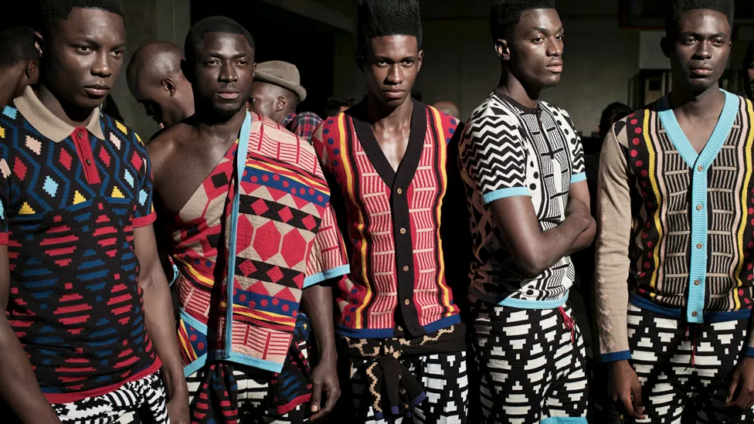
An outlier among his fellow "amakrwala", as initiates are called, he emerged from boyhood donning "an accent colour around the calf, around the neck, around the chest... and lots of stripes".
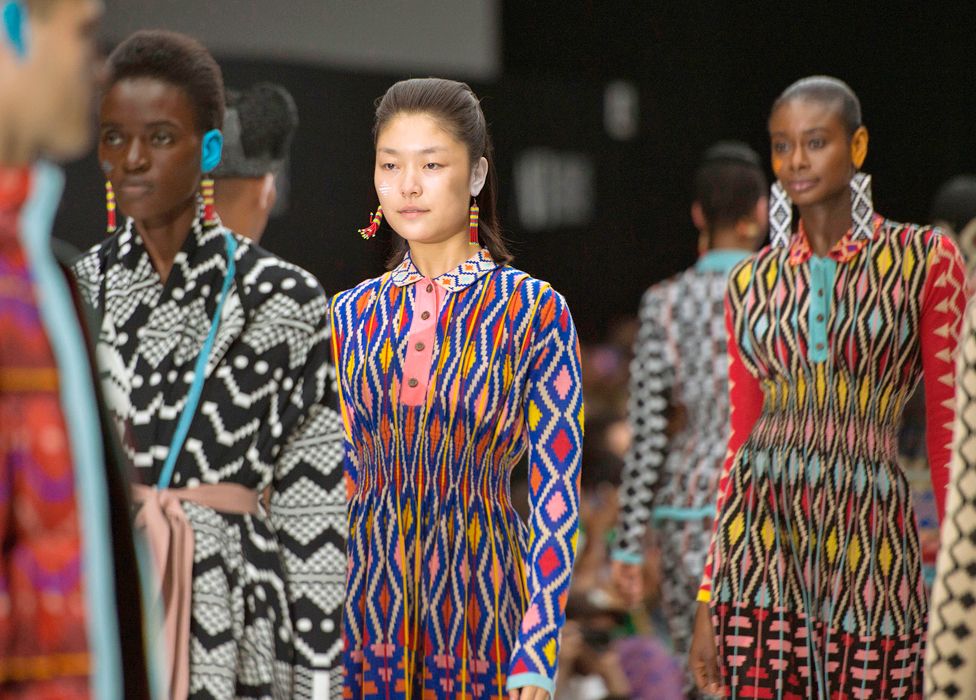
Having personally witnessed the lack of Xhosa-inspired high-end clothing companies, Ngxokolo began to develop MaXhosa Africa - a designer brand dominated by knitwear and colourful Xhosa patterns.
AFP
Since then, MaXhosa has been endorsed by Beyoncé, worn by US musician Alicia Keys, featured in Vogue and will be presenting a new collection at Paris Fashion Week on Sunday.
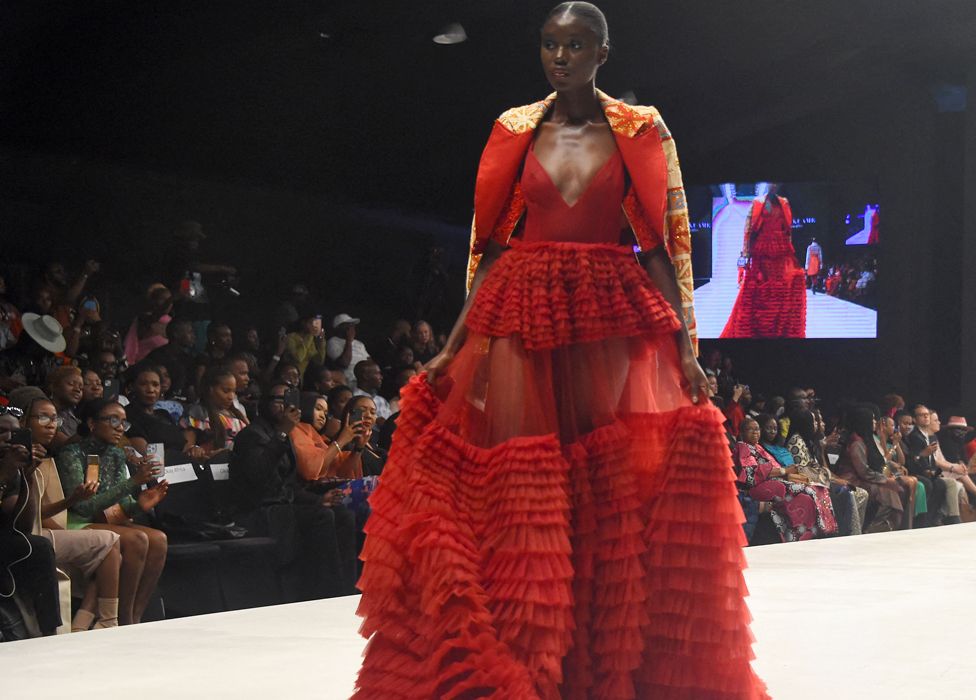
And Ngxokolo's not alone - in recent years several African luxury designers have burst onto the global fashion scene.
Since 2019, three South Africans - Thebe Magugu, Lukhanyo Mdingi and Sindiso Khumalo - have bagged the prestigious LVMH Prize for emerging talent. The following year, Beyoncé's Africa-centred Black Is King film showcased the continent's leading brands to a Western audience.
Vogue has also increasingly been promoting fashion from Africa - in 2022 a cover story shot in Ghana with actress Michaela Coel went viral.
Africa "holds all the cards to become one of the next world fashion leaders", according to a 2023 report from the UN's cultural body Unesco.
AFP
This past month goes some way to backing up Unesco's forecast. Alongside MaXhosa, brands from Ghana, Nigeria and Cameroon have been launching new collections at the industry's "big four" fashion weeks - Paris, Milan, London and New York.
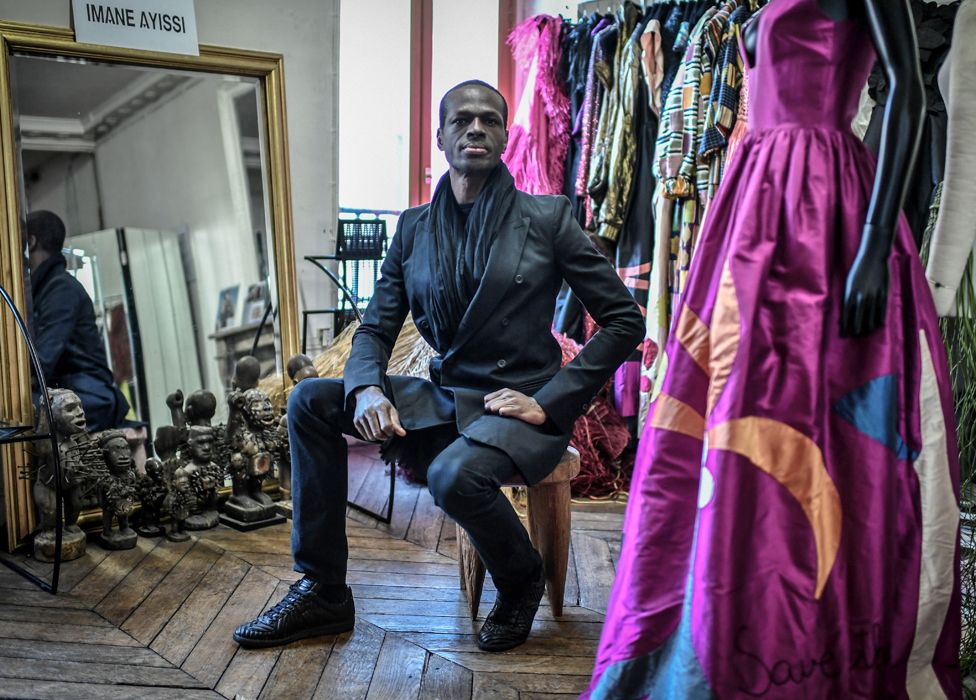
After his show in Paris, ballet dancer-turned-designer Imane Ayissi tells the BBC "there's been a "noticeable increase" in African showing at Europe's fashion weeks.
"Six years ago, there were no designers from Africa in official Western fashion weeks," he says.
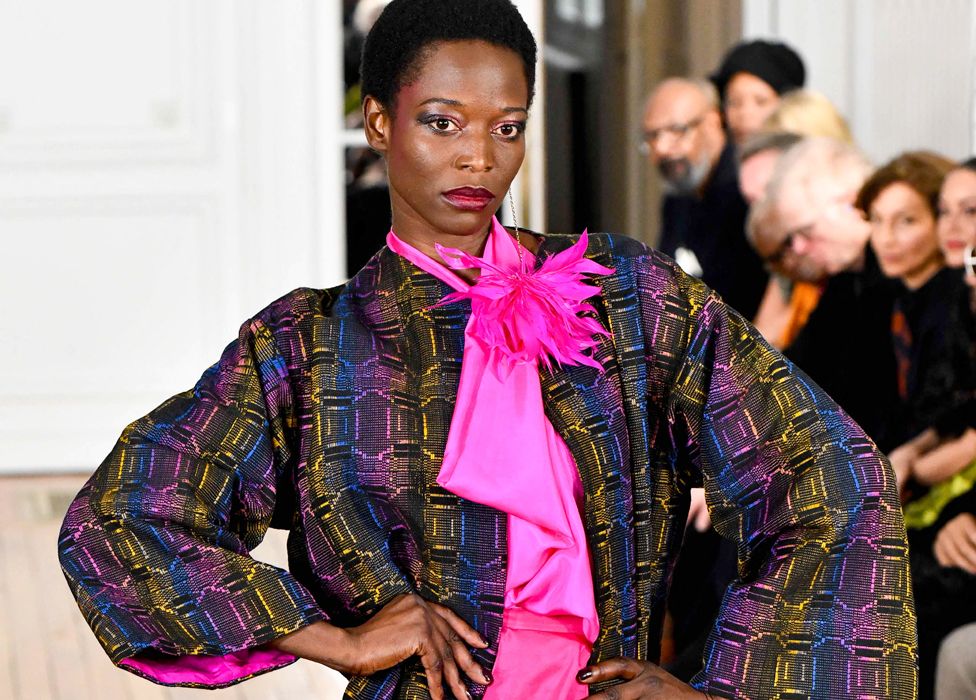
Ayissi, the son of a Cameroonian champion boxer and a beauty queen, sent his models down the Paris runway wearing layers of taffeta and satin, into which he incorporated kente (a handwoven Ghanaian textile) along with traditional fabric from Burkina Faso.
SHUTTERSTOCK
"The main inspiration is the way women, in a lot of different African countries, mostly in Western and Central Africa, use simple pieces of fabrics and drape them around their hips to create a kind of skirt, sometimes with several levels," the designer says.
But why have African styles and textiles like this seen such a rise in popularity recently?
There are a variety of reasons, one being the 2020 coronavirus pandemic, says Frederica Brooksworth, chief executive of the Council for International African Fashion Education (CIAFE).
"For once, because everything was happening online and not many people were able to do things like fashion weeks, it was an amazing opportunity for Africa's voice to actually be heard," she tells the BBC.
She also points to the dizzying rise of the Afrobeats genre, the growth of successful fashion shows within Africa - like Lagos Fashion Week - and the impact of creatives in the diaspora.
AFP
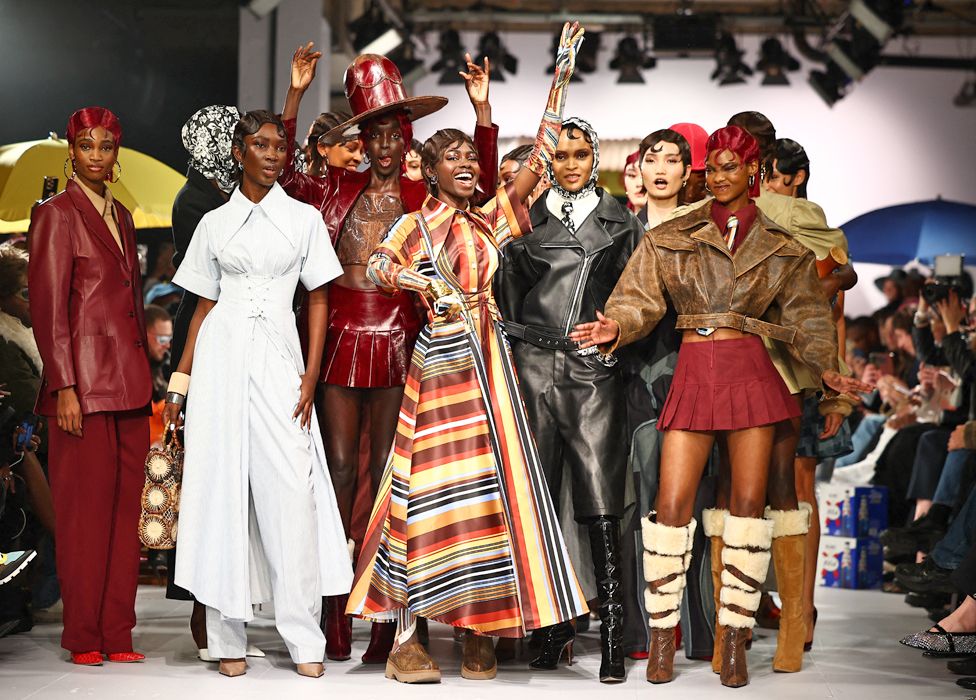
Born in the UK to Nigerian parents, breakout designer Tolu Coker was among the handful of diasporans showcasing their heritage at London Fashion Week last month.
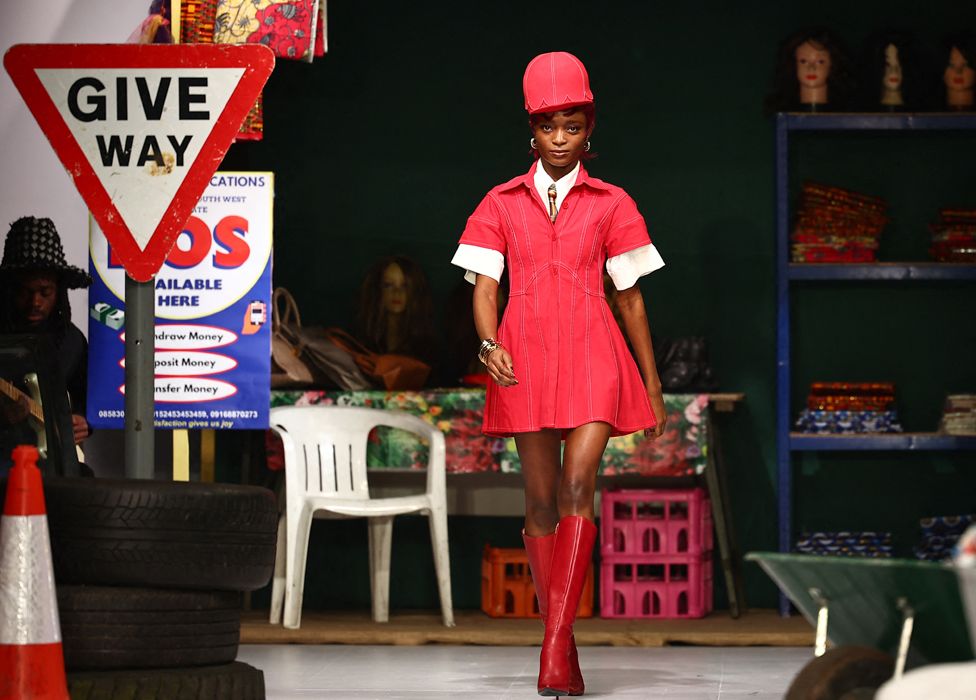
Her latest collection pays homage to the tenacity of West Africa's street hawkers, who sell goods from kiosks or brave traffic to reach passing drivers.
"My mother used to hawk when she was younger... that's a really big part of her story," says Coker, whose fans include Rihanna and Afrobeats star Tiwa Savage.
AFP
Coker's models marched down the Mayfair runway sporting razor-sharp tailoring, raffia bags and, in one instance a chic, multi-coloured suitcase - "a nod to the businesswoman".
While championing Nigerian culture, Coker notes that diaspora designers like her are "privileged" and enjoy opportunities that their counterparts on the continent often cannot access.
Poor infrastructure, as well as a lack of formal education and investment, are among the challenges faced by designers working in Africa, Unesco says.
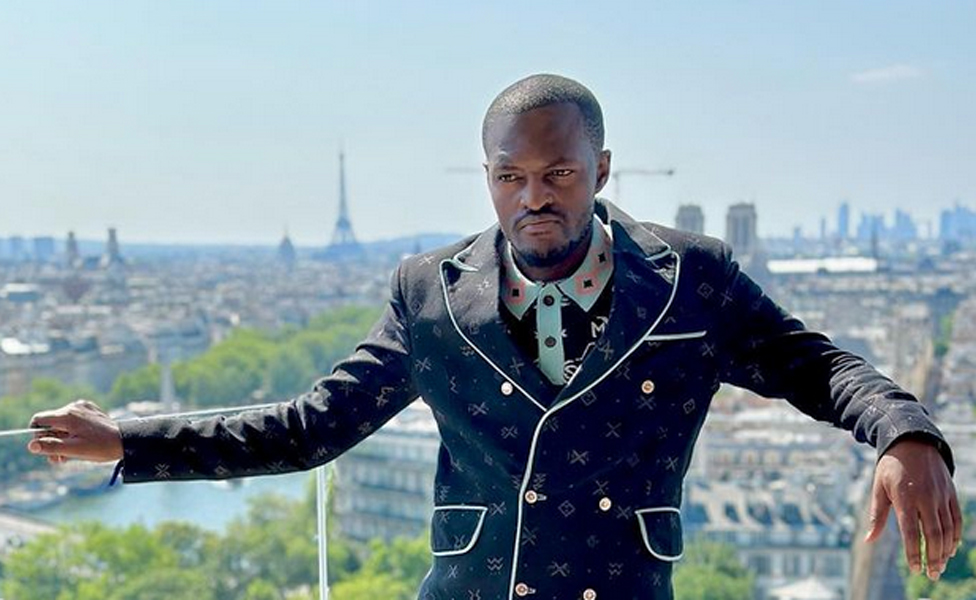
"Initially, I didn't feel supported. I went to banks, I went to government funding agencies - most of the funding packages are for people that are into mining, the food business, farming."
Bobby Kolade, founder of Ugandan brand Buzigahill, and who has presented his collections at Berlin Fashion Week, has similar gripes.
"I don't think that our governments and our leaders see the value of small business. If we were creating 3,000 jobs at once, then they'd be on our side," says Kolade, whose melding of fashion and activism piqued the interest of global media publications.
BUZIGAHILL
Africa does have an increasing market for luxury clothes at it has a growing middle-class - though its designer brands are currently only accessible to a "small, wealthy percentage", Unesco says.
And some African governments are taking steps to support their designers. For instance, Kenya's government helped to launch the Kenyan Fashion Council, while an initiative from the Central Bank of Nigeria funds some designers there.
There are also other upsides, Kolade stresses.
To him, Uganda's capital, Kampala, is a wellspring of inspiration.
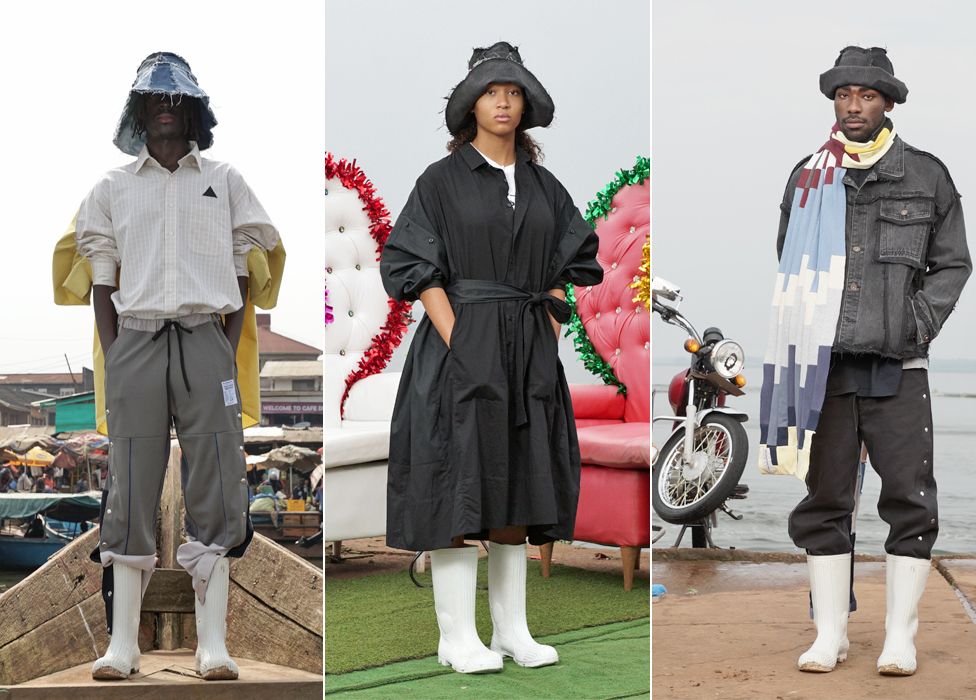
Buzigahill's latest collection drew from the city's security guards, tree surgeons and farmers who, according to Kolade, "don't know how much swag they have".
AFP
His words reflect a common ethos among Africa's designers - that of planting their cultures at the centre of their work, while still drawing the attention of the Western-led global fashion industry.
Two decades on from his amakrwala fashion debut, Ngxokolo is putting the final touches to his Paris Fashion Week show while also preparing to open his first New York store.
But, Ngxokolo insists, South Africa has always been his "priority".
"The loyalty and the love that your people give you is great," he says. "It's a form of great sustainability for the business."
Latest Stories
-
I assure Otumfuo, Mahama will join him to commission KNUST Teaching Hospital by end of this year – Haruna Iddrisu
13 minutes -
Gov’t to roll out free special education for persons with disabilities from July 1 – Education Minister
34 minutes -
“We used it to test our officiating officials’ readiness” – Bawah Fuseini after CAA Athletics event
1 hour -
Volleyball emerges as Ghana’s fastest rising sport
1 hour -
National Sports Fund needs strong leadership from the top – Administrator David Wuaku
1 hour -
JoySports Exclusive: Steve McLaren in talks with GFA after expressing interest in Black Stars job
2 hours -
Fire guts auto parts warehouse at Bubuashie, one fire officer injured
2 hours -
I owe my victory to coach Ofori Asare – Allotey after winning WBA Africa Gold Super Flyweight belt
2 hours -
Church of Pentecost supports over 2,000 BECE candidates in Obuasi with career guidance seminar
3 hours -
Brandon Asante and Coventry all but promoted to Premier League despite Sheffield Wednesday draw
4 hours -
GPL 2025/26: Late Kwartemaa strike downs Hearts in Tema
4 hours -
Ghana Faces Sierra Leone Moment as Prosecutorial Powers come under strain
4 hours -
Don’t consume fish or seafood from Tema Shipyard until further notice – FDA warns
4 hours -
Why volunteering might be Africa’s most underrated career accelerator
4 hours -
ActionAid Ghana raises concern over gender gaps in Feed Ghana Programme
4 hours