

Audio By Carbonatix
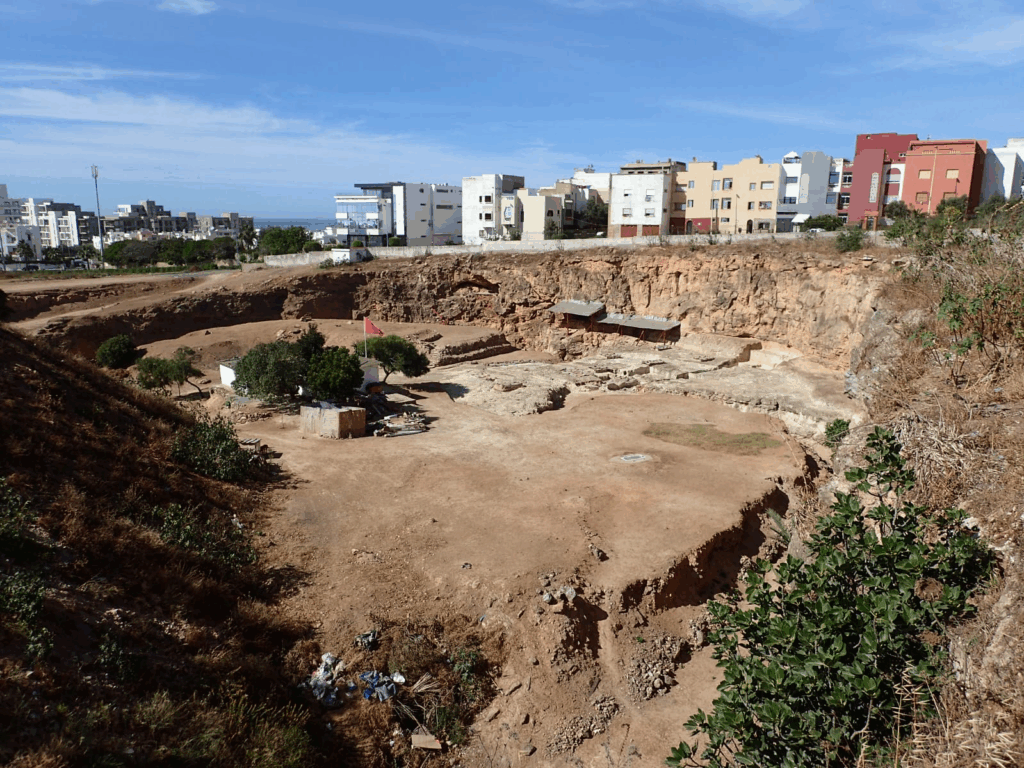
Human fossils uncovered in a cave at the Thomas I quarry near Casablanca are offering fresh insight into a critical phase of human evolution dating back about 773,000 years.
The discovery helps fill a major gap in Africa’s fossil record and reinforces the importance of North Africa in early human history.
The find was announced by Morocco’s Ministry of Youth, Culture and Communication following the publication of a study in the journal Nature on January 7, 2026.
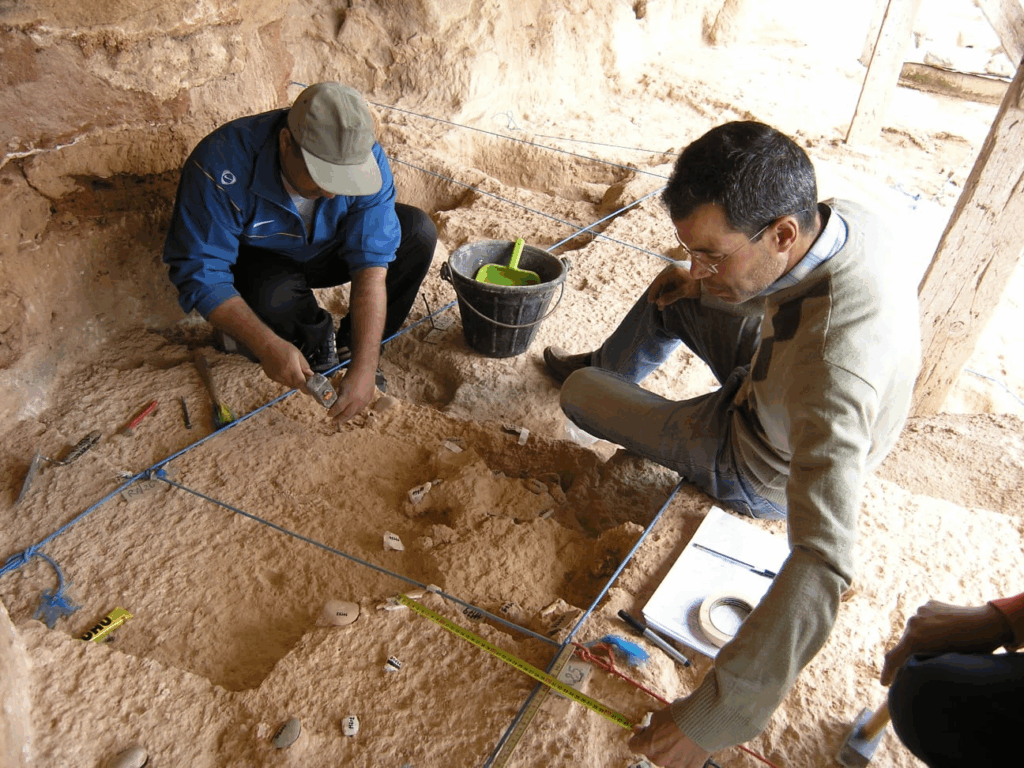
The research forms part of the long-running Prehistory of Casablanca programme, a Moroccan–French scientific collaboration involving Morocco’s Institut National des Sciences de l’Archéologie et du Patrimoine (INSAP) and France’s Ministère de l’Europe et des Affaires étrangères, through the French archaeological mission “Casablanca”.
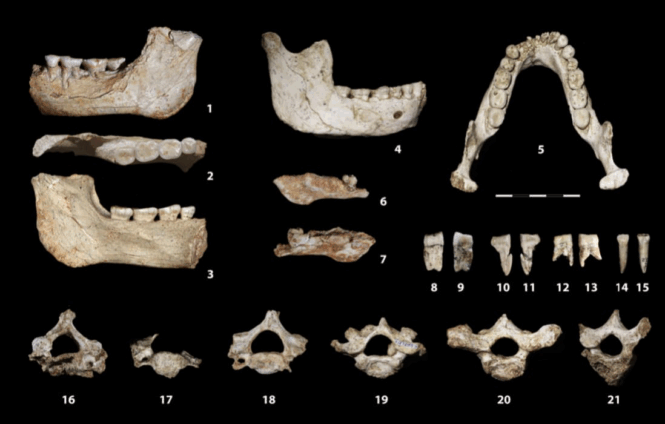
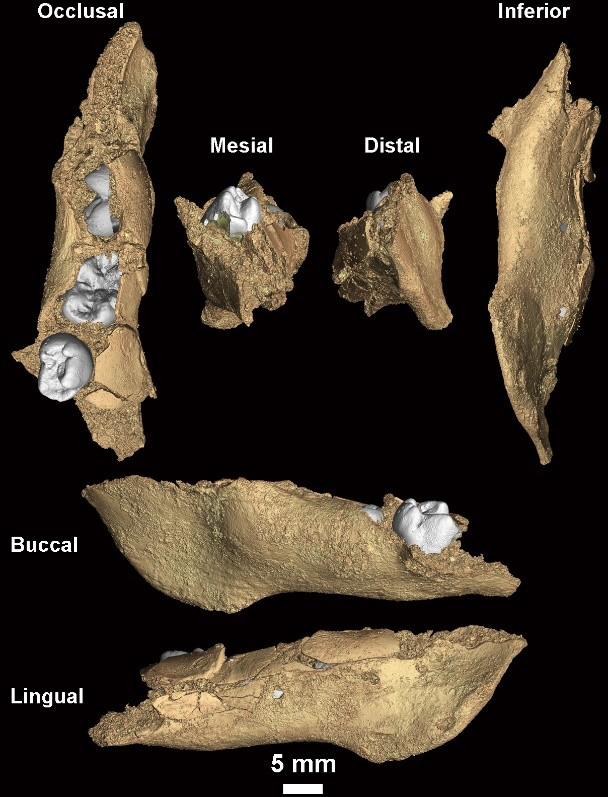
The fossils include several human mandibles from two adults and one child, as well as dental and post-cranial remains.
Analysis shows a distinctive blend of archaic features, similar to those seen in Homo erectus, alongside more derived traits linked to later human forms.
A major strength of the study is the precision of its dating. Using high-resolution magnetostratigraphic analysis, researchers identified evidence of the Matuyama–Brunhes geomagnetic reversal within the site’s sediments.
This event is dated to 773,000 years ago and provides one of the most reliable age estimates ever established for a human fossil site in Africa.
The fossils document human populations that are still poorly understood during this crucial period between early members of the genus Homo and more recent evolutionary lineages.
The timeframe aligns with palaeogenetic evidence suggesting a split between the African lineage leading to Homo sapiens and Eurasian lineages that later produced Neanderthals and Denisovans.
The mix of primitive and more modern traits in the Casablanca fossils points to populations closely linked to this major evolutionary divergence.
Researchers say this makes the site a vital reference for understanding the emergence of modern humans.
Beyond their scientific value, the discoveries underline the deep African roots of humanity and highlight the long-underestimated role of North Africa in human evolution.
The “Hominid Cave” at the Thomas I quarry is now regarded as a key site for studying early human populations on the continent.
Latest Stories
-
Church of Pentecost supports over 2,000 BECE candidates in Obuasi with career guidance seminar
36 minutes -
Brandon Asante and Coventry all but promoted to Premier League despite Sheffield Wednesday draw
57 minutes -
GPL 2025/26: Late Kwartemaa strike downs Hearts in Tema
1 hour -
Ghana Faces Sierra Leone Moment as Prosecutorial Powers come under strain
1 hour -
Don’t consume fish or seafood from Tema Shipyard until further notice – FDA warns
1 hour -
Why volunteering might be Africa’s most underrated career accelerator
1 hour -
ActionAid Ghana raises concern over gender gaps in Feed Ghana Programme
1 hour -
Windstorm wreaks havoc in Gushegu, displacing nearly 2,000 residents and damaging schools
1 hour -
Friends of Bridget Bonnie Marks her 35th birthday with donation to Kasseh Model Health Centre
2 hours -
From Ekumfi Kokodo to the Pulpit Stage: Essi Donkor’s gospel journey takes shape
3 hours -
Landfilling waste management creates no value, it’s an economic waste
3 hours -
Photos: Speaker Bagbin Commissions MPs constituency office under parliamentary decentralisation programme
3 hours -
Black Stars technical advisor Winfried Schäfer sacked as GFA shakes up backroom staff
3 hours -
Wenchi water project almost complete, critical to gov’t agenda – GWL MD
3 hours -
Anti-LGBTQ+ bill not part of government’s legislative agenda – Inusah Fuseini
3 hours