

Audio By Carbonatix
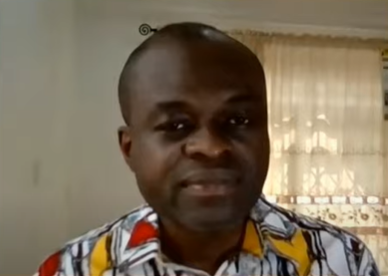
Lawyer, Martin Kpebu, has called for the automatic implementation of Article 286 (4) of the 1992 Constitution as a more efficient and effective means of checking corruption in the country.
According to him, unlike the current anti-graft laws, which have done little to curb corruption in Ghana, the activation of Article 286 (4) in a manner that it is activated automatically at the end of a public officer’s term of office, would be most beneficial to the anti-graft campaign.
“That is the heart of the matter that is the one we need to implement, unexplained wealth. Somebody comes into office and then overnight he’s building properties left, right, centre, by the time he’s leaving he’s amassed so much wealth.
“That is what we need to implement; that there will be a law to implement the 286, Clause 4 that, at the time you’re leaving office, you appear before CHRAJ automatically and explain all your wealth,” he said.
Relying on historical precedents, Martin Kpebu noted that the implementation of the law after the Nkrumah regime, saw Ministers and other public officials who had engaged in corrupt activities, being held accountable.
“And then we’re saying that in our history when the Jiagge Commission sat, and history shows that people used to send evidence to the Commission in the night, they’ll go and push it under the doors, so the next morning by the time the commissioners and staff came, they would find envelopes that contain evidence that Mr. X upon becoming Minister built this house, bought this fresh car Bugatti, Lamborghini, you name them, and so investigate,” he said.
He, however, noted that for the law on unexplained wealth to be very effective, the government must find a way to make Ghanaians comfortable with leaking information to the regulatory body in charge of investigating such cases.
“You remember that the last time CDD, the last time I read something about this corruption fight, they said at least 8 out of 10 Ghanaians are scared of reporting corruption and other malfeasances against public officers.
“Most of our population are scared of reporting, so the only method or the more viable way of fighting corruption is that have a standing committee then people can send evidence surreptitiously,” he said.
Latest Stories
-
Auditor-General vows tough surcharges, unveils tracker, AI audits
15 minutes -
Mahama orders security agencies to make Ghana’s ports ‘ironclad’ against drug trafficking
1 hour -
Government admits turf war among security agencies is undermining port security
1 hour -
Government rejects ‘Cocaine Coast’ label, says drug busts show security agencies are working
2 hours -
Banks NPL ratio of 16.1% is still too high – S&P
2 hours -
US death row inmate Christa Pike taken to hospital after surviving two lethal injections, says lawyer
2 hours -
Japan raises residency fee for foreign nationals by twenty-fold
2 hours -
Nollywood actor CJay Nwoks dies in Lagos hospital
2 hours -
Guidelines, regulations of cryptocurrency in Ghana fall short of comprehensive oversight – IMF
2 hours -
Don’t stand and just criticise, propose solutions – RMD urges Nigerians
2 hours -
I didn’t want to be in the spotlight – Tems
3 hours -
COCOBOD’S GH¢16.3bn SPV: Real progress toward a sustainable cocoa sector
3 hours -
Morocco appoints first woman head of government, El Mansouri vows to meet citizens’ expectations
4 hours -
King Mohammed VI appoints Fatima Ezzahra El Mansouri as Morocco’s new head of government
4 hours -
Impossible for England to find another Kane – Tuchel
5 hours