

Audio By Carbonatix
The African Media Network for the Promotion of Health and the Environment (REMAPSEN) has underscored the critical role of the media in combating misinformation, particularly in areas such as health, climate, and the environment.
This came during a roundtable discussion organised by CFI Medias on the theme “How are the media responding to misinformation?”, held as part of Fabrique One Sustainable Health on the sidelines of the One Health Summit in Lyon.
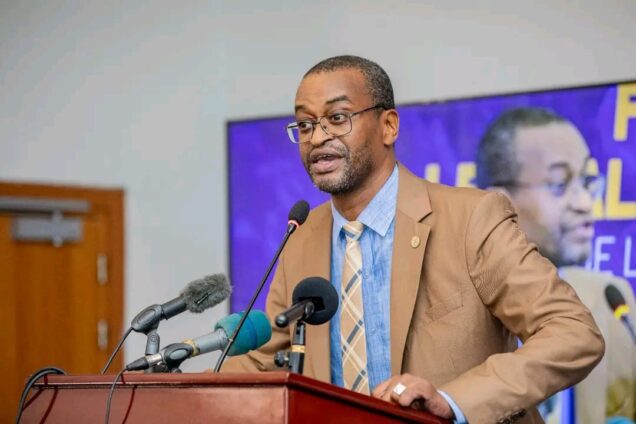
Representing REMAPSEN, Special Advisor to the President and Director of Partnerships, Bouba Sow, outlined a structured approach to tackling misinformation, highlighting the network’s growing influence across the continent.
He pointed first to the strength of collective action, noting that REMAPSEN brings together more than 800 media outlets across over 40 African countries.
This, he said, allows for the pooling of resources, harmonisation of messaging, and the widespread dissemination of accurate and reliable information.
According to him, this coordinated approach is essential in addressing misinformation, which often spreads rapidly across borders, especially in contexts where access to verified scientific information remains limited.
Mr Sow also emphasised the importance of capacity building, explaining that REMAPSEN invests in training journalists to enhance their ability to process and verify scientific data.
He noted that combating misinformation is not only about correcting falsehoods but also preventing their spread through responsible and informed reporting.
This, he said, ultimately improves media coverage of health, climate, and environmental issues while building a community of well-equipped and committed journalists.
The third key pillar, he noted, is the promotion of partnerships to ensure credible public communication.
He stressed that the fight against misinformation requires collaboration between media organisations, scientific institutions, governments, international bodies, civil society, and development partners.
Mr Sow added that such cross-sectoral collaboration aligns with the “One Health” approach, which integrates human, animal, and environmental health within a broader framework of sustainable development.
He concluded that addressing misinformation must be a deliberate, collective, and professional effort grounded in credible sources, urging that the media be recognised not just as channels of information, but as key stakeholders in shaping informed public discourse.
The roundtable reinforced the growing consensus that effective responses to misinformation require coordinated action, strong partnerships, and a well-trained media ecosystem capable of delivering accurate and impactful information.
Latest Stories
-
Ghana explores centre of excellence for hearing, communication and cochlear implant care
1 hour -
Schizophrenia-related disorders lead mental health cases recorded in Ghana
1 hour -
Dutch authorities enlist Ghana in hunt for fugitive drug lord Bolle Jos
2 hours -
Ghana housing finance conference adopts communiqué to improve affordable housing access
6 hours -
Special Initiatives Minister urges Wa Technical Institute to enrol more girls as EU-backed solar training lab opens
7 hours -
In the matter of my first year at the Bar
7 hours -
ActionAid Ghana calls for an end to child marriage, greater investment in girls’ rights
7 hours -
Newsfile to tackle World Cup visa scandal, beach demolitions, education strikes, BRICS bid
7 hours -
UK-Ghana Trade & Investment Summit: Trade Resource Centre to help businesses maximise UK-Ghana trade opportunities
8 hours -
Embassy of Denmark celebrates World Maritime Day
8 hours -
Linking LEAP to productive inclusion could cut extreme poverty by 2030 – UNICEF
9 hours -
Trade Ministry backs use of creative arts to rehabilitate prison inmates
9 hours -
Negotiations with government to continue despite strike suspension – GNAT
9 hours -
‘Ghana cannot afford to waste public resources; every cedi has a job’ – Ato Forson
9 hours -
Ghana expects economic boost as World Assemblies of God Congress brings 10,000 delegates to Accra
9 hours