

Audio By Carbonatix
Many Ghanaian families are only one emergency away from financial trouble. In spite of this, most people still don’t have money saved for a rainy day, and without a savings buffer, families often turn to unplanned borrowing just to get by, and end up paying high interest that eats into future income.
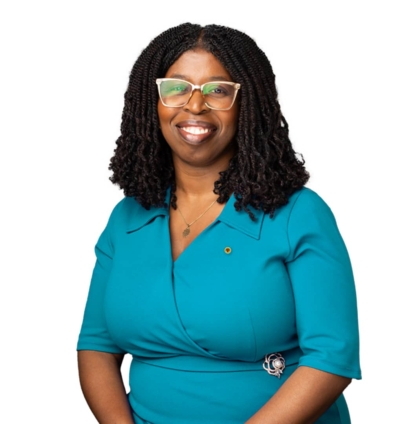
The Head of Retail Banking at First National Bank, Akweley Laryea, asserts that many families could avoid this situation by talking about money more openly.
“It’s not just about budgeting; it’s about creating a shared understanding and plan for your household’s finances. This starts with honest conversations about what each person earns, what debts you have, what worries you and what you are working towards”, she says.
But these conversations do not always come easily. Many people grow up in households where money wasn’t discussed, or others carry some fear around debt.
“It’s very common for one partner to carry the mental load while the other avoids the topic entirely. That silence often leads to confusion or mistrust, especially when a crisis hits and there is no mutually agreed plan in place,” says Akweley.
She recommends setting aside regular time, even if it’s just once a month, for a money check-in to agree on a household budget, and decide together how you will save, spend and handle emergencies.
Akweley further explained that those emergencies are where many families tend to come unstuck. “Most people have less than 6 months’ worth of emergency savings, and have absolutely nothing saved for an emergency. This leaves you extremely vulnerable when faced with a sudden bill and without savings.
She emphasises that an emergency fund is the most important first step in building financial resilience. “Even GHS200 or GHS500 a month saved consistently can make a big positive difference. Over time, aim to build up to at least three months of essential expenses and build from there”. The aim is to build consistency in a savings habit more than anything else, so start with any amount that is comfortable for you to save monthly without fail.
She also recommends keeping emergency savings in a separate account that’s easy to access but not mixed with funds for everyday spending. “For example, First National Bank’s Savings Pocket linked to your transactional account is a good way to save for emergencies because it helps you avoid spending money on impulse purchases.”
Once the emergency fund is in place, couples can then start to look more seriously at other goals, like saving for school fees, a deposit on a car or retirement. This is where it helps to understand different time horizons. “There is a secret to match the product to the goal.
“A family saving for December holidays should not be locking that money into a five-year investment; you can achieve this with a short-medium term investment with flexible maturity term options, such as a Flexi-Fixed account or 32-day interest plus. If you are thinking long-term, then you can take on a bit more risk to achieve better growth with any of the First National Bank Fixed Deposit accounts. Many people mix these up and end up either under-saving or accessing their long-term investments too early, which sometimes comes with additional costs in the form of penalty charges” says Akweley.
“This isn’t just about protecting your money; it’s about removing one of the major sources of conflict from your relationship. Emergencies are stressful enough without having to worry about how you are going to pay for them – so a little planning and a strong money partnership can go a long way,” concludes Akweley.
Latest Stories
-
Teacher unions strike: Gov’t presents fresh proposals as talks end inconclusively
40 minutes -
51,000 teachers’ promotion arrears to be validated for October payment – Education Minister
1 hour -
Kwabena Boamah appointed Board Chair for Impact Investing Ghana
1 hour -
Striking teacher unions to meet Fair Wages and Salaries Commission on October 6
2 hours -
EOCO working with AG to arraign Nana Baffour Awuah before weekend court
2 hours -
Duraplast reassures customers after fire, announces October 5 reopening
2 hours -
Call off strike, gov’t will not renege on promotion arrears pledge – Haruna Iddrisu appeals to teacher unions
2 hours -
Committee set up to validate teachers eligible for 20% deprived-area allowance – Education Minister
2 hours -
Five-member committee to search for new Black Stars coach after Sports Ministry-GFA meeting
2 hours -
Pinktober: Breast cancer survival exceeds 90% when detected early – Breast Society of Ghana
3 hours -
TCDA to adopt Upper West’s MATCO mango farm as northern prototype, issues warning against felling shea trees
3 hours -
‘Fear delegates’ tag: Afoko touts genuineness among delegates ahead of NPP delegates conference
3 hours -
John Boadu: The leader our party needs at this time – Amb. Edward Akwasi Boateng
3 hours -
Baffour Awuah: EOCO arrested, detained MP after hours of waiting, questioning – Afenyo-Markin
3 hours -
EOCO court warrant authorised search of Baffour Awuah’s law firm, not residence – Afenyo-Markin
3 hours