

Audio By Carbonatix
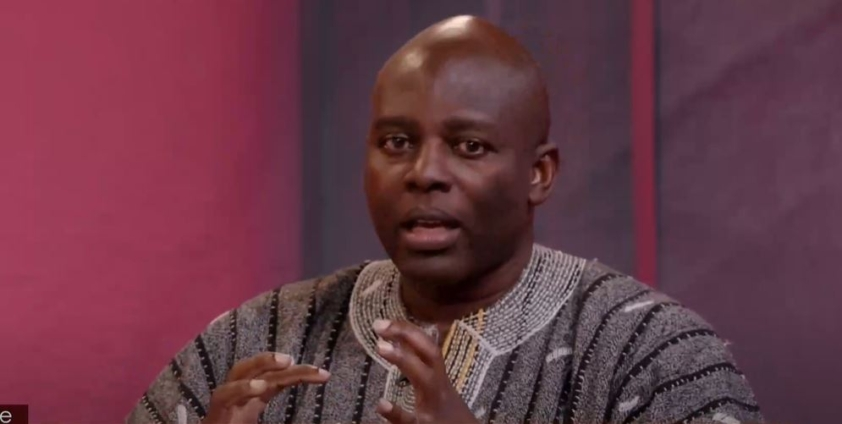
Money continues to shape outcomes in party primaries, and that reality is unlikely to change anytime soon, a Fellow at the Centre for Democratic Development (CDD-Ghana), Dr John Osae-Kwapong, has said.
Speaking on Joy News’ PM Express on Monday, Dr Osae-Kwapong said incidents of vote-buying and vote-influencing remain deeply embedded in Ghana’s internal party politics.
He said Ghanaians continue to “see or read or hear stories” about the same practices during party contests, often framed as support for transportation or logistics, but the effect is the same.
Dr Osae-Kwapong said he does not expect that dynamic to change, especially in internal party elections, despite growing public concern about the influence of money.
“I don’t think that dynamic of electoral politics, especially when it comes to internal party politics, would change,” he said.
The CDD-Ghana Fellow said he supports the Constitutional Review Committee's recommendations to reform how parties conduct their primaries.
He said one proposal worth serious consideration is opening up internal party elections to all registered members in good standing, rather than restricting voting to a small group of delegates.
“I have advocated, and I support the recommendation from the constitutional review committee that when it comes to internal party elections, if you are a registered member of the political party in good standing, you should be allowed to participate in party primaries,” he said.
Dr Osae-Kwapong, however, expressed doubt about whether political parties would be willing to adopt such reforms.
He argued that limiting primaries to delegates makes it easier for candidates with deep pockets to influence outcomes.
“If our concern is that a candidate can easily, quote, unquote, buy a number of delegates, then to make it harder to do that, if you have an open primary, it is more difficult to quote and quote by an entire constituency than it is to quote and quote by a group of delegates,” he said.
Despite this, he remains pessimistic about near-term change.
“But I don’t see that dynamic, as cynical as that may sound, I don’t see that dynamic changing in the primaries and party elections,” Dr Osae-Kwapong added.
His comments come as political parties prepare for another round of internal contests ahead of future national elections, amid renewed scrutiny of campaign financing, vote buying, and the credibility of internal democratic processes.
Latest Stories
-
Imprisonment should be rehabilitative, not punitive – Ghana Prisons boss at UNGA
12 minutes -
Ga Adangbe traditional priests petition Mahama over McDan aviation licence revocation
23 minutes -
Anti-LGBTQ Bill: NDC’s arrogance is worrying – Hassan Tampuli
34 minutes -
Let’s give OSP time to mature, not to scrap it – Hassan Tampuli
38 minutes -
Nigeria convicts 386 Islamist militants in mass trials
43 minutes -
Djibouti president wins election with 97.8% of vote, state media says
47 minutes -
We don’t have mandate to deduct tax from rent allowance of security services personnel – Interior Ministry clarifies
1 hour -
Ablakwa receives Presidential Special Envoy on Reparations to advance global agenda
1 hour -
Christina Koch becomes first woman to travel around the moon on Artemis II
1 hour -
Epstein survivors’ calls to meet King Charles and Queen harder to ignore as US visit approaches
2 hours -
UN Secretary-General names Ghana’s Anita Kiki Gbeho as South Sudan envoy
2 hours -
Mali withdraws recognition of Sahrawi Republic, backs Morocco’s autonomy plan
2 hours -
Gov’t distributes over 8,500 laptops to One Million Coders project
2 hours -
Julius Debrah, ‘man to beat’ as NDC’s James Agbey dismisses Musah Dankwah’s polls
2 hours -
GPRTU in Savannah Region to protest alleged eviction in Damongo
2 hours