


Audio By Carbonatix
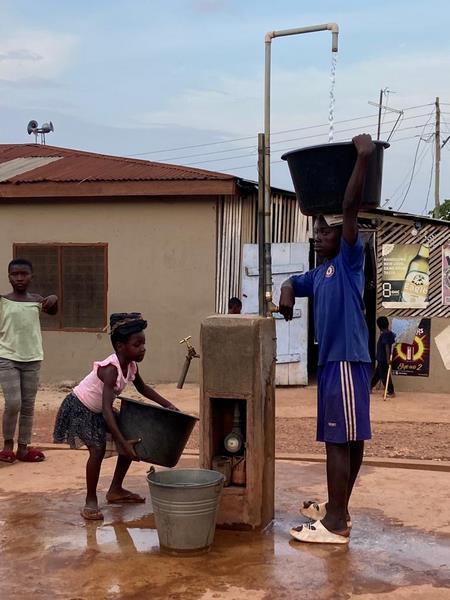
The National President of the Network of Community Water Services (NETCOWAS), has lauded the hundreds of rural communities and small towns in Ghana who have been working hard in managing their piped water systems and providing continuous access to safe and affordable drinking water supply for their people.
Most of these communities have been managing their piped water systems since the 1990s, and have made investments in extensions, expansions, and major replacements from their own resources/water revenues.
In a solidarity message, the President, Okotwasa Nana Owusu Sarpong I, Mpobihene Otumfour Brempong, noted all these piped water services are selling water and using the water revenues to finance operation and maintenance (O&M) expenditures.
Community-managed piped water services constitute an important water service provider group representing about 80% of all water service providers in Ghana’s rural water sub-sector.
This is a significant contribution by community-managed piped water services to Ghana’s water supply coverage.
In line with the global theme for this year’s World Water Day Celebration which is to ‘accelerate change’, NETCOWAS has pledged commitment to work with its members to improve the sustainability of rural and small towns piped water services.
This will be through the adoption of business principles in the management of water services, ensuring improved efficiency in service delivery, and the promotion of learning and performance/peer review.
NETCOWAS while commending government and District Assemblies for their support to rural and small towns piped water supply in Ghana drew attention to some challenges facing community-managed piped water supply.
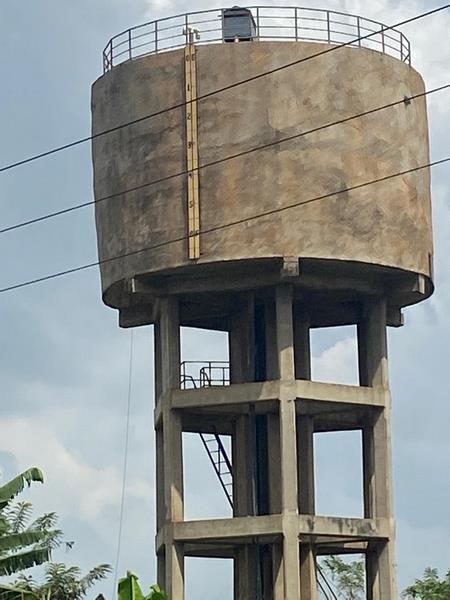
They cited Aging rural and small towns piped water supply infrastructure which needs urgent capital injection for rehabilitation and expansion.
Also, over-reliance on the national grid, and hence, the need to transition to solar power to help reduce high energy costs, and also contribute to reduction in carbon emissions for climate gains.
The network also threw light on the low access to prepaid water meters.
It has, therefore, urged the relevant stakeholders to prioritise un-served communities for water supply investments to benefit the over three million Ghanaians who still continue to drink from surface water sources at the risk of their health, especially for children under five years.
Latest Stories
-
Law Students’ Network warns executive dominance could undermine constitutional review
2 minutes -
Mahama to meet relevant stakeholders over concerns about the new Customs Act
9 minutes -
CHASS demands a 20% increase in SHS funding and payment of outstanding debts
11 minutes -
Investigation launched after male body found in County Cork
13 minutes -
We have been scammed by NDC, government is only doing PR – Abanga Fuseini
13 minutes -
Tamale Teaching Hospital records 44 new breast cancer cases in six months
15 minutes -
GES declares October 30 CPD day for private school teachers; learners to observe holiday
16 minutes -
South Korea to support Ghana’s forts and castles restoration with $4.5m over five years
17 minutes -
School headscarf ban sparks rare protests in Azerbaijan and row with Turkey
25 minutes -
Ghana explores underwater sightseeing and shipwreck tourism
26 minutes -
Association of Women Lawyers calls for national sexual offenders register to protect school children
27 minutes -
Soaring commodity prices influenced our 2026 revised growth forecast of 5.7 % for Ghana – IMF
30 minutes -
Government urged to recruit more speech therapists to support children with language disorders
32 minutes -
Chef Abbys: Feeding 50,000 people, putting food security on Ghana’s agenda
1 hour -
Ho set to host Republic Bank–JoyNews Habitat Fair as multiple firms prepare to showcase housing solutions
1 hour