


Audio By Carbonatix
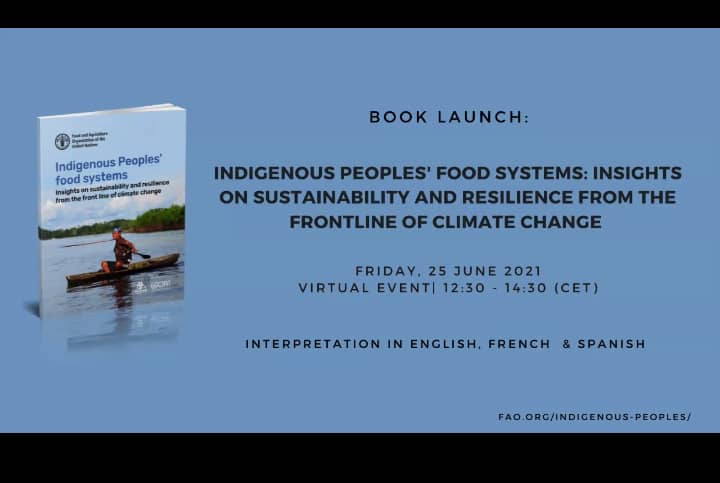
A new report on Indigenous Peoples Food Systems has been launched by the Food and Agriculture Organization (FAO), Biodiversity International and the International Center for Tropical Agriculture (CIAT) Friday, June 25, 2021.
The report analyzes the food systems of eight Indigenous communities in very diverse regions of the world, including the Amazon, Sahel, Pacific Islands and Arctic.
Hundreds of different plant and animal species are studied.
The report found that Indigenous People’s have some of the most self-reliant and different food systems in the world.
The systems generate 50 to 80% of the food needs of their communities, from cultivation to consumption.
The report, "FAO Indigenous Peoples’ Food Systems: Insights on sustainability and resilience from the frontline of climate change," also revealed the unique ability of Indigenous Peoples to feed themselves sustainably. while warning them of the growing threats affecting their resilience.
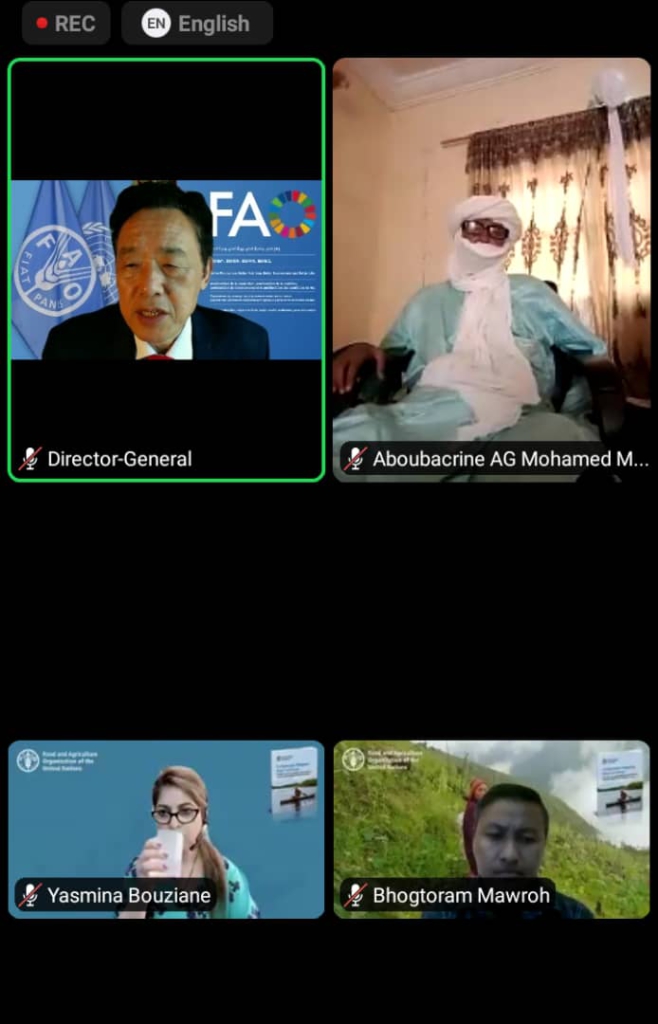
At a high-level event opened virtually by FAO Director-General, Dr QU Dongyu, the Alliance of Bioversity International and CIAT, the report was released.
The authors detailed practices that help to ensure the survival of the biodiverse worlds the Indigenous Peoples protect and turn to for food,
They also presents an analysis of growing threats faced by the communities and their sustainable lifestyle.
The new report adds urgency to the results of an increasing number of research illustrating the vital role of Indigenous Peoples in solving global crises related to natural destruction like climate change, biodiversity loss and the risk of future pandemics.
The strategic recommendations included in the study for Governments, UN organizations and NGOs address the threats to future of Indigenous Peoples´ food systems.
It comes at a timely moment in the context of the UN Food Systems Summit and the UN Climate Change Conference (COP26).
COP26 is the first moment when countries must set out more ambitious goals for ending their contribution to climate change under the Paris Agreement.
According to the report, Indigenous Peoples number 476 million persons worldwide, living in more than 90 countries and belonging to 5, 000 different peoples and linguistic
groups.
They are among the most culturally diverse and traditionally unique societies in the world due to their rich history, culture, spirituality, unique ancestral ties and wide-ranging traditional knowledge.
"It is crucial to recognise Indigenous Peoples as key players in achieving the 2030 Agenda and to create larger spaces for more inclusive dialogues recognising the vast lessons to be learned from them," the report says.
The purpose for the publication of the report is to recognize the contributions that Indigenous Peoples can make to achieve Sustainable Development Goals (SDGs) by 2030; and to advocate for these contributions and associated food systems.
Co-published by FAO and the Alliance of Bioversity International and CIAT, it builds on the analysis by a Scientific Editorial Committee of field research with the involvement of participating Indigenous Peoples’ communities.
The report makes valuable contribution to the debate on the world food system, including, but not limited to, the capacity to produce food without depleting the natural resource base.
Latest Stories
-
GPL 2025/26: Late Kwartemaa strike downs Hearts in Tema
1 second -
Ghana Faces Sierra Leone Moment as Prosecutorial Powers come under strain
10 minutes -
Don’t consume fish or seafood from Tema Shipyard until further notice – FDA warns
14 minutes -
Why volunteering might be Africa’s most underrated career accelerator
21 minutes -
ActionAid Ghana raises concern over gender gaps in Feed Ghana Programme
23 minutes -
Windstorm wreaks havoc in Gushegu, displacing nearly 2,000 residents and damaging schools
25 minutes -
Friends of Bridget Bonnie Marks her 35th birthday with donation to Kasseh Model Health Centre
1 hour -
From Ekumfi Kokodo to the Pulpit Stage: Essi Donkor’s gospel journey takes shape
1 hour -
Landfilling waste management creates no value, it’s an economic waste
2 hours -
Photos: Speaker Bagbin Commissions MPs constituency office under parliamentary decentralisation programme
2 hours -
Black Stars technical advisor Winfried Schäfer sacked as GFA shakes up backroom staff
2 hours -
Wenchi water project almost complete, critical to gov’t agenda – GWL MD
2 hours -
Anti-LGBTQ+ bill not part of government’s legislative agenda – Inusah Fuseini
2 hours -
Anti-LGBTQ Bill: Forget the rumour mongers, I’m a man of action, and will pass the bill – Speaker
3 hours -
Women and children among those killed in Sudanese army shelling of wedding celebration
3 hours