

Audio By Carbonatix
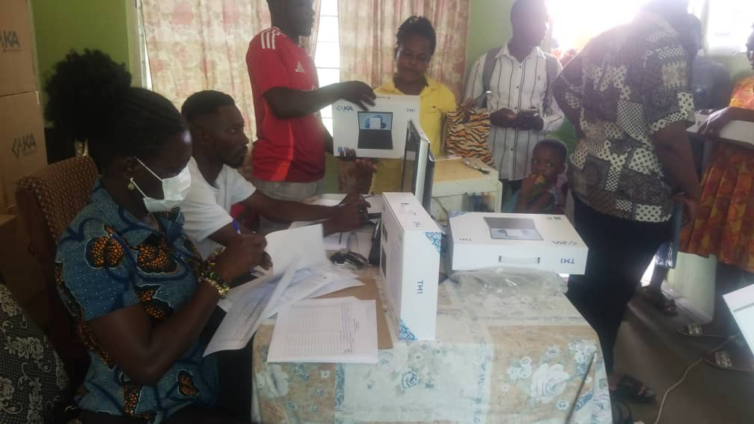
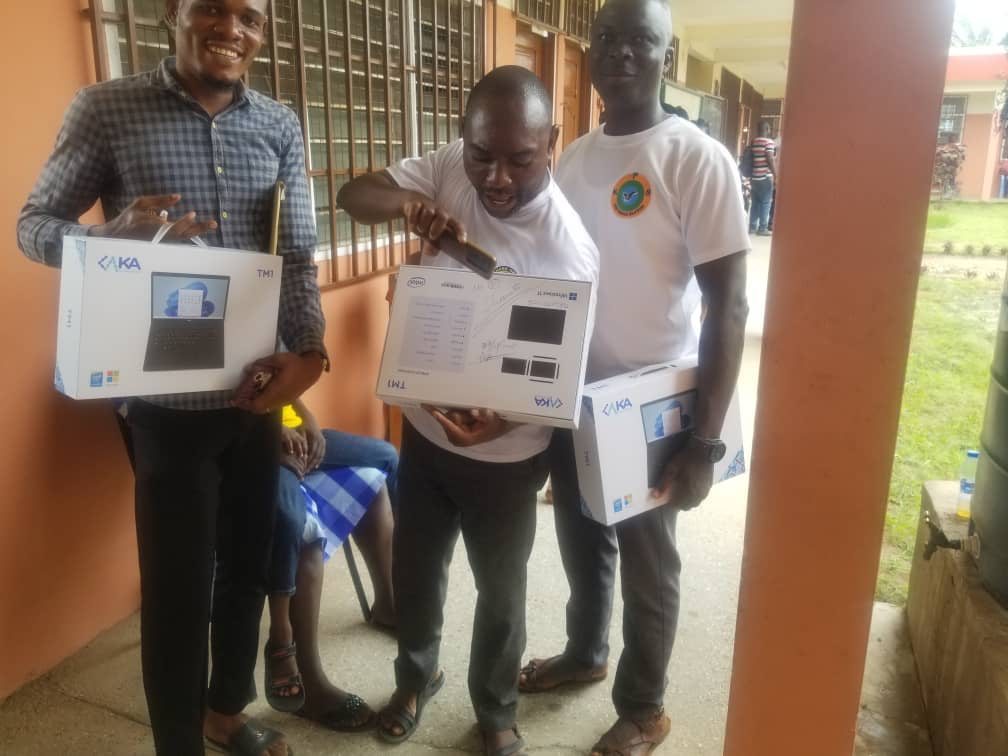
Ten out of the 16 regions in Ghana have been fully supplied with laptops under the government’s One Teacher, One Laptop program.
This initiative means that approximately 300,000 teachers across various levels - including Senior High Schools (SHS), Junior High Schools (JHS), Primary, and Kindergarten - have received their laptops.
The distribution also extends to teachers on study leave and qualified non-teaching staff of the Ghana Education Service (GES).
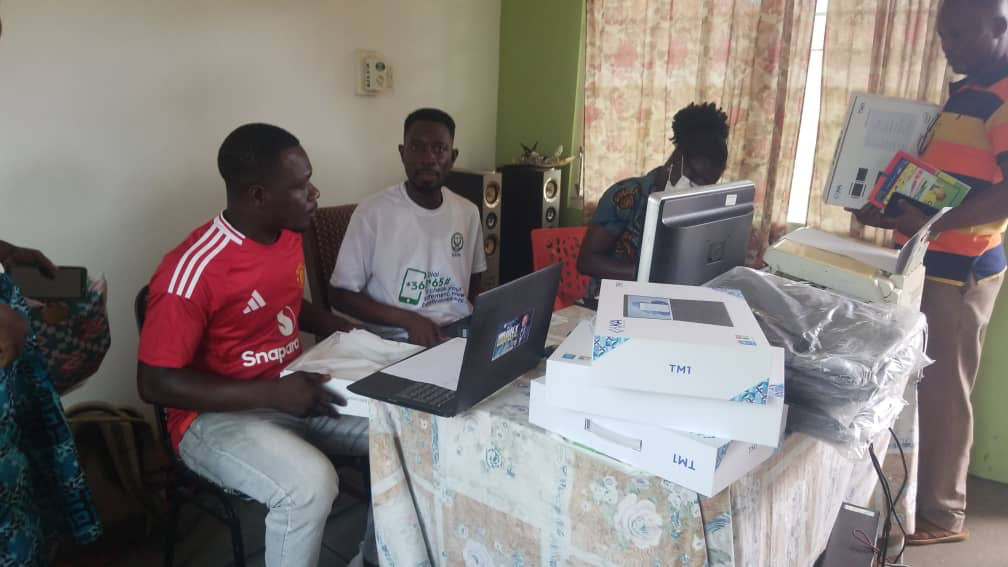
With less than one per cent of the beneficiaries yet to receive their laptops, a nationwide mop-up exercise is currently underway to ensure complete coverage.
In the remaining six regions, while some categories of beneficiaries have received their laptops, others, particularly teachers on leave, are yet to generate a collection code to claim their devices from Regional and District ICT Coordinators.
The GES, in collaboration with teacher unions, is intensifying efforts to complete the nationwide distribution by the end of this month.
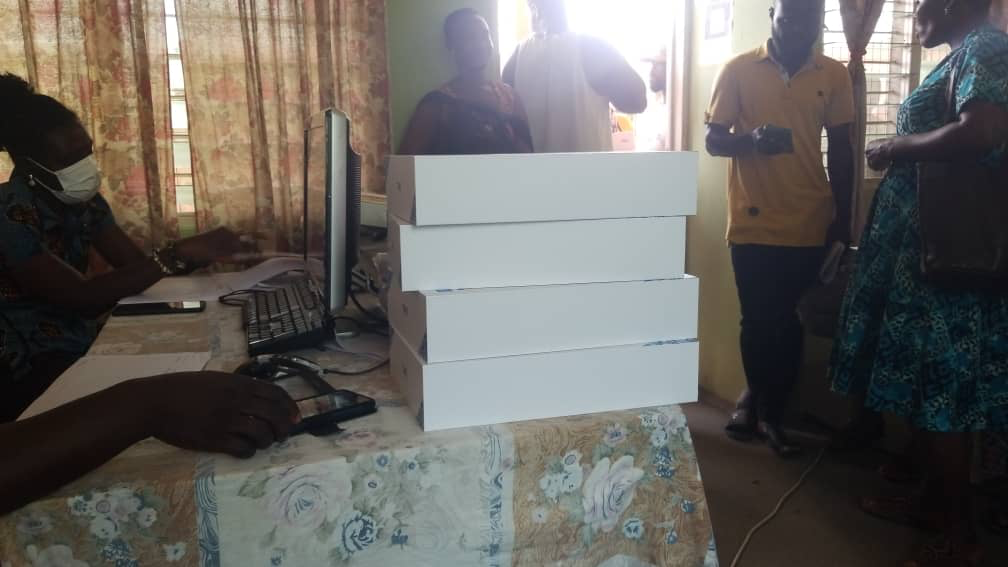
Recently, distribution has been active in the Ashanti, Bono, Bono East, Western North, Eastern, Volta, and Oti regions, where more teachers have received their TM1 laptops. Last month, additional distributions were made to teachers in the Greater Accra and Ashanti regions.
Teaching and non-teaching staff who have not yet received their laptops can generate a collection code by dialling 790555# and contacting their ICT coordinators for assistance.
Launched in September 2021, the One Teacher, One Laptop program aims to enhance teaching and learning outcomes in pre-tertiary educational institutions nationwide.
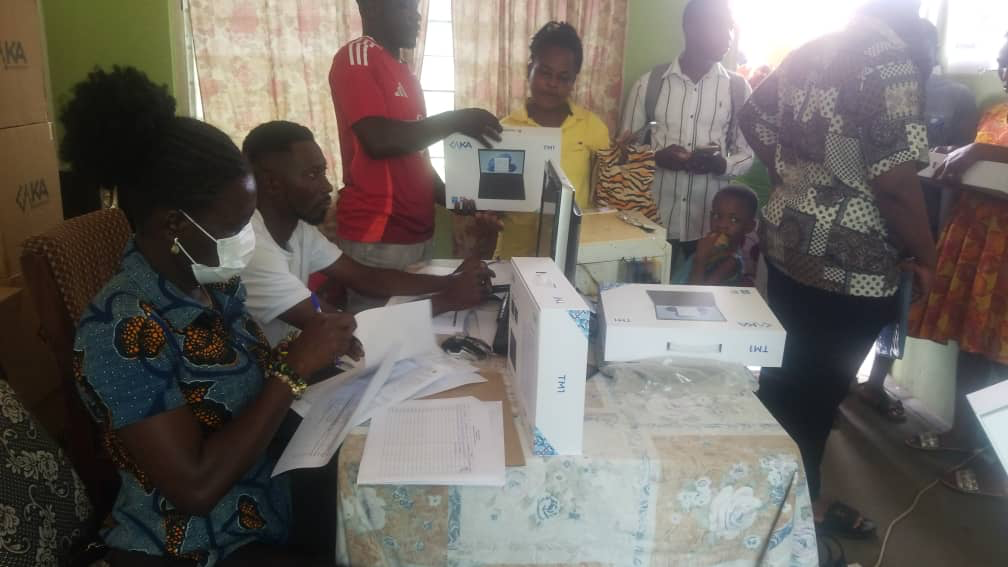
Under this program, every public school teacher from kindergarten to senior high school is entitled to a laptop to aid in lesson preparation, research, and learning.
The government covers 70% of the laptop cost, with teachers contributing the remaining 30% through their unions.
These laptops also enable teachers to access digital online training through National Teaching Council-approved modules, ensuring alignment with National Teacher Standards across the country.
By integrating technological tools like laptops into the education system, Ghana aims to foster innovation, accelerate the transfer of information, increase student engagement, and automate various educational processes.
This program is part of Ghana’s broader effort to leverage ICT in education and actively participate in the Fourth Industrial Revolution.
Latest Stories
-
Breast Cancer Awareness Month launched: 2,695 women die from breast cancer annually — Dr Ann-Dadzie
4 minutes -
Mahama’s proposed airline looks to South America, Caribbean as Ghana confronts mounting drug trafficking cases
19 minutes -
5% progress on Suame Interchange Phase One inadequate – Roads Minister tasks contractor to speed up work
21 minutes -
Photos: Vice President joins GAAS Awards to celebrate outstanding women leaders
23 minutes -
OSP vs Ken Ofori-Atta, SML and others: Court gives OSP four more weeks to serve Ofori-Atta with summons
24 minutes -
High Commission sends caution to Ghanaians in South Africa ahead of planned protests
27 minutes -
Okai Mintah outlines vision for NDC Youth Wing as he engages MMDCEs
33 minutes -
Mahama Ayariga leads renewed push for stronger local governance through partnerships
36 minutes -
NDC youth organiser aspirant Okai Mintah consults MMDCEs ahead of elections
37 minutes -
PHOTOS: Ayikuma Methodist Basic School wins National Juniors Challenge
40 minutes -
Silence has entered our homes : Salomey Awiti Bafoh and the chilling effect of free expression in Ghana
40 minutes -
UG Pro-VC calls for stronger research funding to curb brain drain
42 minutes -
Woman in critical condition after shooting at funeral grounds in Yeji
44 minutes -
Breast Cancer awareness must lead to action – Deputy Health Minister
47 minutes -
UK identified as leading destination for Ghana’s illicit cannabis exports – Report
49 minutes