

Audio By Carbonatix
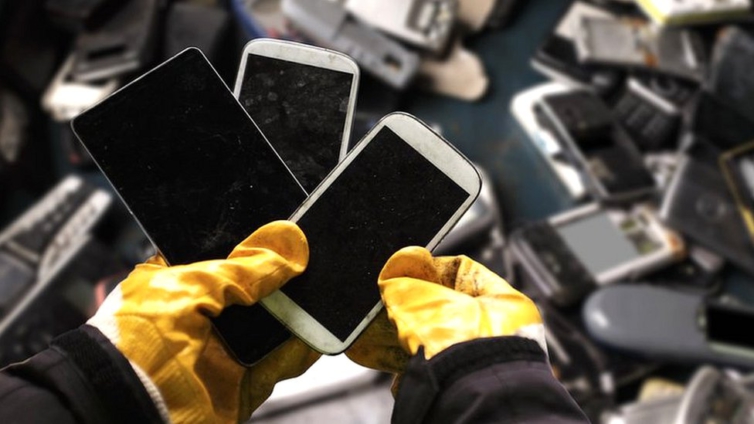
The new iPhone 14 has been announced and is expected on the market in a couple of days. With the release, comes the thrill of using the latest top-of-the-line device.
Apple enthusiasts have already preordered the device in anticipation of being among the first to enjoy the new features.
What happens to the old devices? Most people in the West will recycle theirs. Even a considerable number of Africans and Ghanaians specifically will swap their old devices for new ones. But some of the devices are just too old to put back on the market for persons who want a budget device. They must simply be discarded.
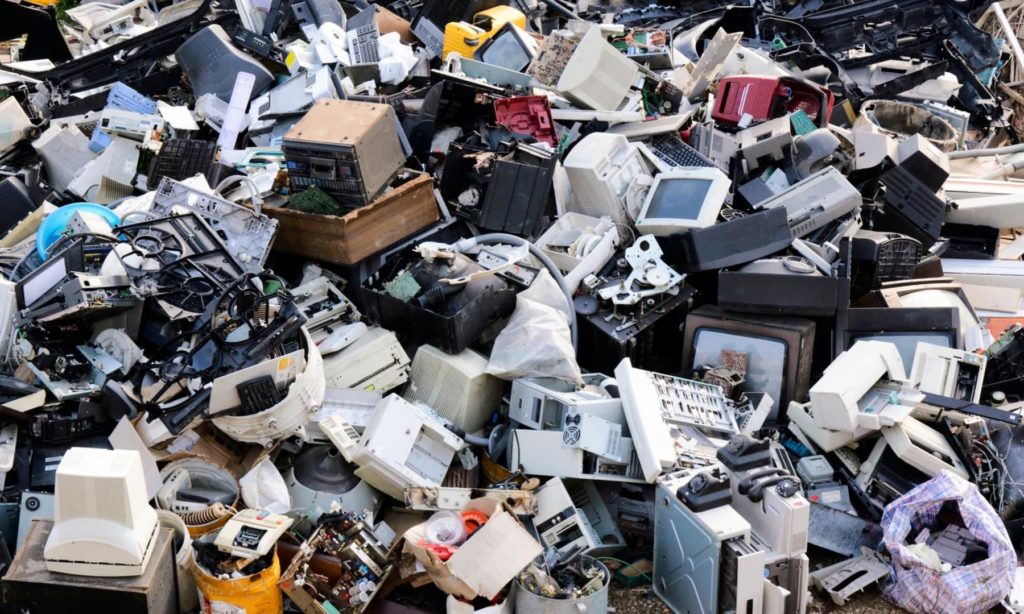
Where then do you dispose of these used devices? Take the discussion away from your old iPhone - an old TV remote control, headsets, loudspeakers, desktop computers, electric kettles and numerous electrical and electronic devices in your home, how do you discard them? Ever thought of how your method of getting rid of them comes back to affect you?
A survey of three of the public universities in Accra showed that no provision has been made for the appropriate disposal of e-waste. Some of these communities have made strides in getting members to segregate plastic from other domestic waste but conspicuously missing are attempts to segregate and properly deal with e-waste.
The effects of this pattern of behaviour are simply dire.
First of all, what is e-waste? The UN defines it as any discarded product with a battery or plug that features toxic and hazardous substances such as mercury, that can pose severe risks to human and environmental health.
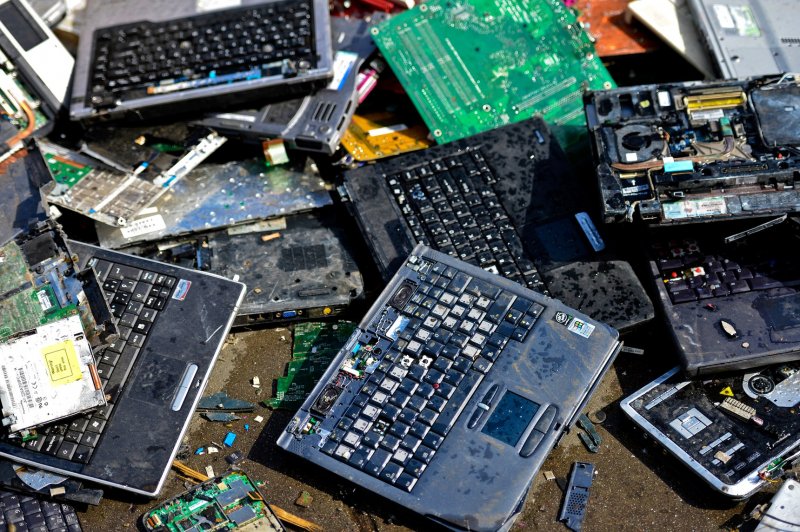
Other components of this discarded matter are plastics and lead. Plastics take hundreds of years to decay which means the open-site disposal of these gadgets directly affects soil structure. Lead another component of electronic waste is poisonous to living things.
In Ghana, the vast majority of e-waste is managed under poor environmental, health and safety conditions. Open burning of cables and manual disassembly of lead-acid batteries are still widely used practices, causing significant environmental pollution and damage to human health, says the UN Environment Programme.
E-waste is not charred only as a means of getting rid of them. Scrap dealers and other salvagers, mostly the youth from different parts of the country and even West Africa who live in Accra, burn e-waste to salvage gold, iron and other metals and that process releases toxic fumes into the environment, especially those who inhale it.
When these fumes go up in the sky, it falls back as acid rain which damages crops.
Burns, back problems, and infected wounds are common ailments among these workers, as well as respiratory problems, chronic nausea, and debilitating headaches—brought on by the hazardous working environment and toxic air pollution, Bloomberg writes.
Amedzor Eyram, team lead at Dispose Green, a waste management company says Ghana has not invested much in dealing with e-waste, with much focus placed on domestic household waste.
One key strategy to take e-waste on is purposively providing facilities to recycle/repurpose used electric devices. Non-functional electronic devices must also be banned, Mr Amedzor said.
Besides programmes being run by GIZ in the management of e-waste, very little attention has been directed to the topic in Ghana.
It might just be the time for specific government policies targeted at the issue because with the release of newer technology like the iPhone 14, the older gadgets cry for space and in the absence of proper means of recycling or discarding them, they add to the tons of e-waste harming the Ghanaian environment.
Latest Stories
-
Brandon Asante and Coventry all but promoted to Premier League despite Sheffield Wednesday draw
21 minutes -
GPL 2025/26: Late Kwartemaa strike downs Hearts in Tema
28 minutes -
Ghana Faces Sierra Leone Moment as Prosecutorial Powers come under strain
37 minutes -
Don’t consume fish or seafood from Tema Shipyard until further notice – FDA warns
42 minutes -
Why volunteering might be Africa’s most underrated career accelerator
49 minutes -
ActionAid Ghana raises concern over gender gaps in Feed Ghana Programme
51 minutes -
Windstorm wreaks havoc in Gushegu, displacing nearly 2,000 residents and damaging schools
53 minutes -
Friends of Bridget Bonnie Marks her 35th birthday with donation to Kasseh Model Health Centre
2 hours -
From Ekumfi Kokodo to the Pulpit Stage: Essi Donkor’s gospel journey takes shape
2 hours -
Landfilling waste management creates no value, it’s an economic waste
2 hours -
Photos: Speaker Bagbin Commissions MPs constituency office under parliamentary decentralisation programme
2 hours -
Black Stars technical advisor Winfried Schäfer sacked as GFA shakes up backroom staff
2 hours -
Wenchi water project almost complete, critical to gov’t agenda – GWL MD
3 hours -
Anti-LGBTQ+ bill not part of government’s legislative agenda – Inusah Fuseini
3 hours -
Anti-LGBTQ Bill: Forget the rumour mongers, I’m a man of action, and will pass the bill – Speaker
4 hours