


Audio By Carbonatix
Researchers from the Department of Biochemistry and Biotechnology (Nutrition unit) at the Kwame Nkrumah University of Science and Technology have found that Ghanaian households are facing significant food insecurity, threatening optimal infant development.
The study aimed to investigate how the accessibility and availability of food, dietary patterns, and complementary feeding practices influence growth, vision, and brain health in infants aged 6-23 months old in rural Ghana.
This research, funded by the Association of Commonwealth Universities Sustainable Development Goals Higher Education Grants, was carried out in 9 communities in the Bosomtwe District of the Ashanti region of Ghana.
The study revealed that about 21% and 37.4% of the infants were stunted and severely acutely malnourished, respectively.
Again, nearly half of the children were found to be exclusively breastfed, and infants who were not exclusively breastfed had a greater tendency to be stunted.
Further, infants from food-insecure households had a high probability of being stunted. Infants from food-insecure households had a high likelihood of microcephaly, a condition where infants have smaller heads than expected for their ages, and this often leads to abnormal brain development. Food insecurity was also linked to severe acute malnutrition.
The researchers also found that children who consumed diets predominantly composed of tubers, meat, and vegetables had a reduced likelihood of stunting.
"About 29-36% of the infants who participated in the study showed various degrees of poor cognitive development. Early initiation of breastfeeding, continued breastfeeding, and meal frequency showed a positive association with brain development. Cereal, milk, and powdered formulae were associated with good brain health.
"Children who were exclusively breastfed had a reduced likelihood of visual acuity. Consumption of tubers, meat, and vegetables influenced eye health," added the Principal Investigator, Dr. Mary Amoako.
She emphasized, "Food insecurity in rural communities is high, coupled with high levels of anemia and undernutrition, and the results clearly show that these are having negative impacts on the nutritional and health outcomes of these children. There is a need for relevant stakeholders to reassess specific nutrition intervention programs, such as education on feeding practices, to improve nutritional outcomes in infants and children."
This study was conducted in collaboration with Dr. Kwadwo Owusu Akuffo from the Optometry and Visual Science Department at KNUST.
The results of this study were presented at the just-ended Africa Nutrition and Epidemiology Conference (ANEC) in Cape Coast, Ghana. Mr. Fiifi Amoako Atta Panyin Essiam, the MPhil student on the project, who made this presentation, also reiterated the importance of healthy diets and feeding practices to improve child health and nutrition outcomes.
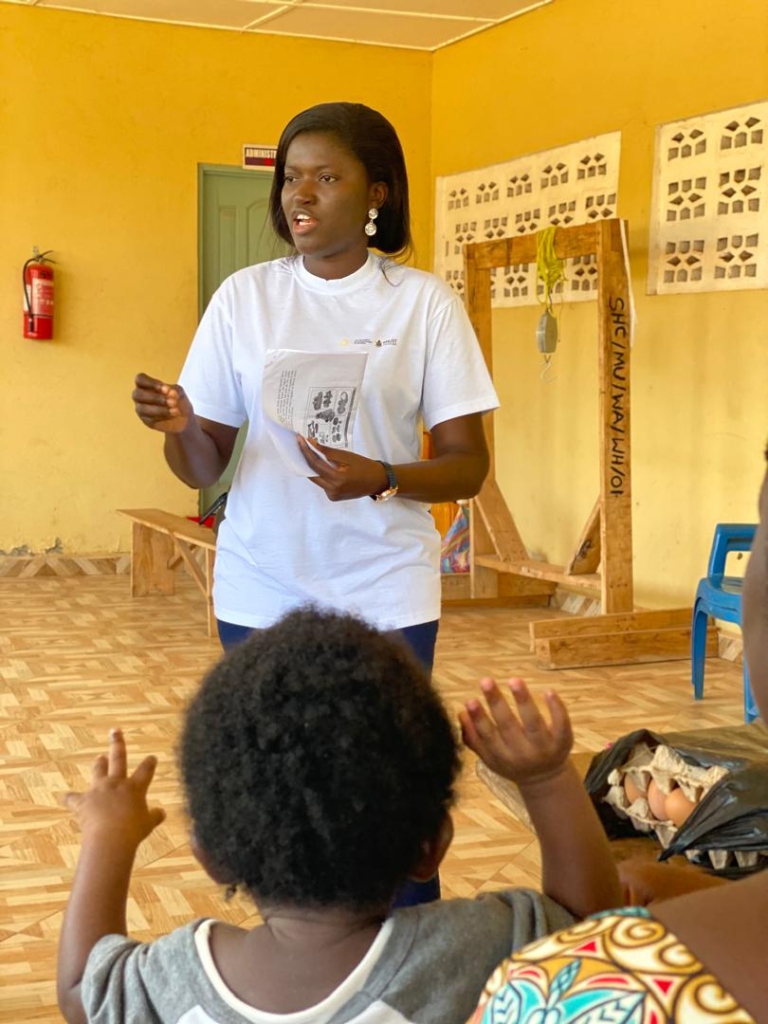
The researchers have been undertaking community dissemination exercise on nutrition in the Bosomtwe district.
Latest Stories
-
Ghana explores centre of excellence for hearing, communication and cochlear implant care
42 minutes -
Schizophrenia-related disorders lead mental health cases recorded in Ghana
1 hour -
Dutch authorities enlist Ghana in hunt for fugitive drug lord Bolle Jos
1 hour -
Ghana housing finance conference adopts communiqué to improve affordable housing access
6 hours -
Special Initiatives Minister urges Wa Technical Institute to enrol more girls as EU-backed solar training lab opens
6 hours -
In the matter of my first year at the Bar
7 hours -
ActionAid Ghana calls for an end to child marriage, greater investment in girls’ rights
7 hours -
Newsfile to tackle World Cup visa scandal, beach demolitions, education strikes, BRICS bid
7 hours -
UK-Ghana Trade & Investment Summit: Trade Resource Centre to help businesses maximise UK-Ghana trade opportunities
7 hours -
Embassy of Denmark celebrates World Maritime Day
7 hours -
Linking LEAP to productive inclusion could cut extreme poverty by 2030 – UNICEF
9 hours -
Trade Ministry backs use of creative arts to rehabilitate prison inmates
9 hours -
Negotiations with government to continue despite strike suspension – GNAT
9 hours -
‘Ghana cannot afford to waste public resources; every cedi has a job’ – Ato Forson
9 hours -
Ghana expects economic boost as World Assemblies of God Congress brings 10,000 delegates to Accra
9 hours